2016 in Journals

My power wheelchair battery died a few days ago and I can’t get it replaced until January 11th, so I was ready to declare it a sucky end to a sucky year.  Then I started my annual look back through my journals.  And though there was suck, there was a lot to cherish, too.

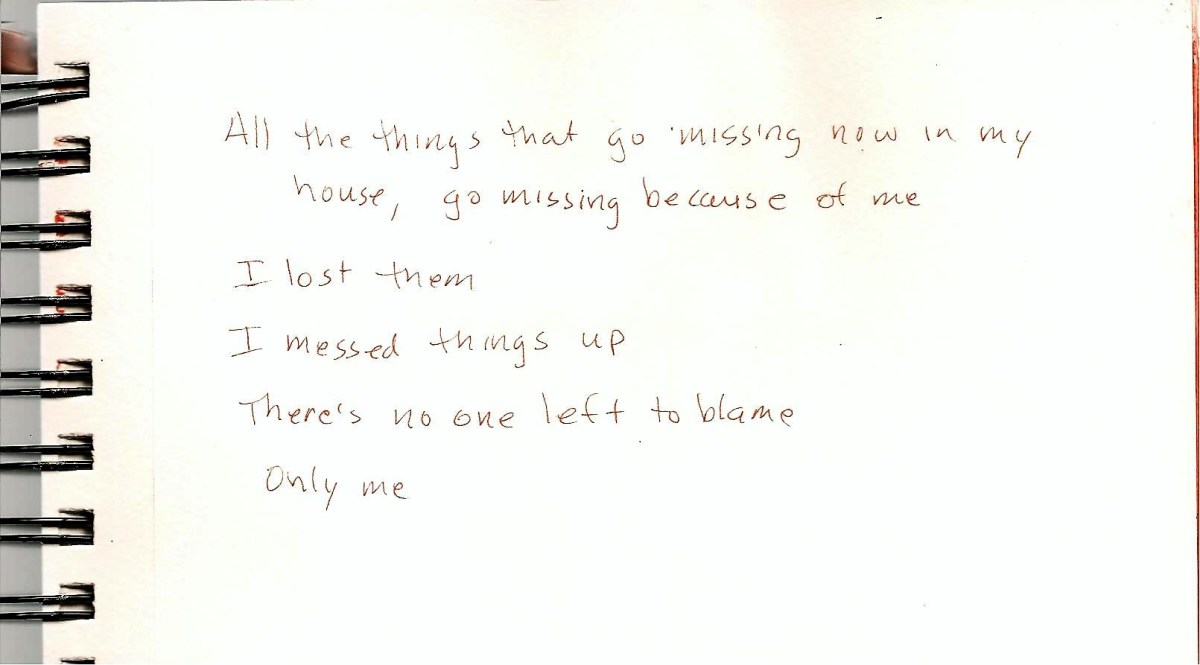
Many of my goals and plans for the future were revised by the unexpected end of my marriage.  I had to do a lot of soul searching. I all but quit blogging and I have this image of myself just wallowing in sloth for months on end.

20161229_104256

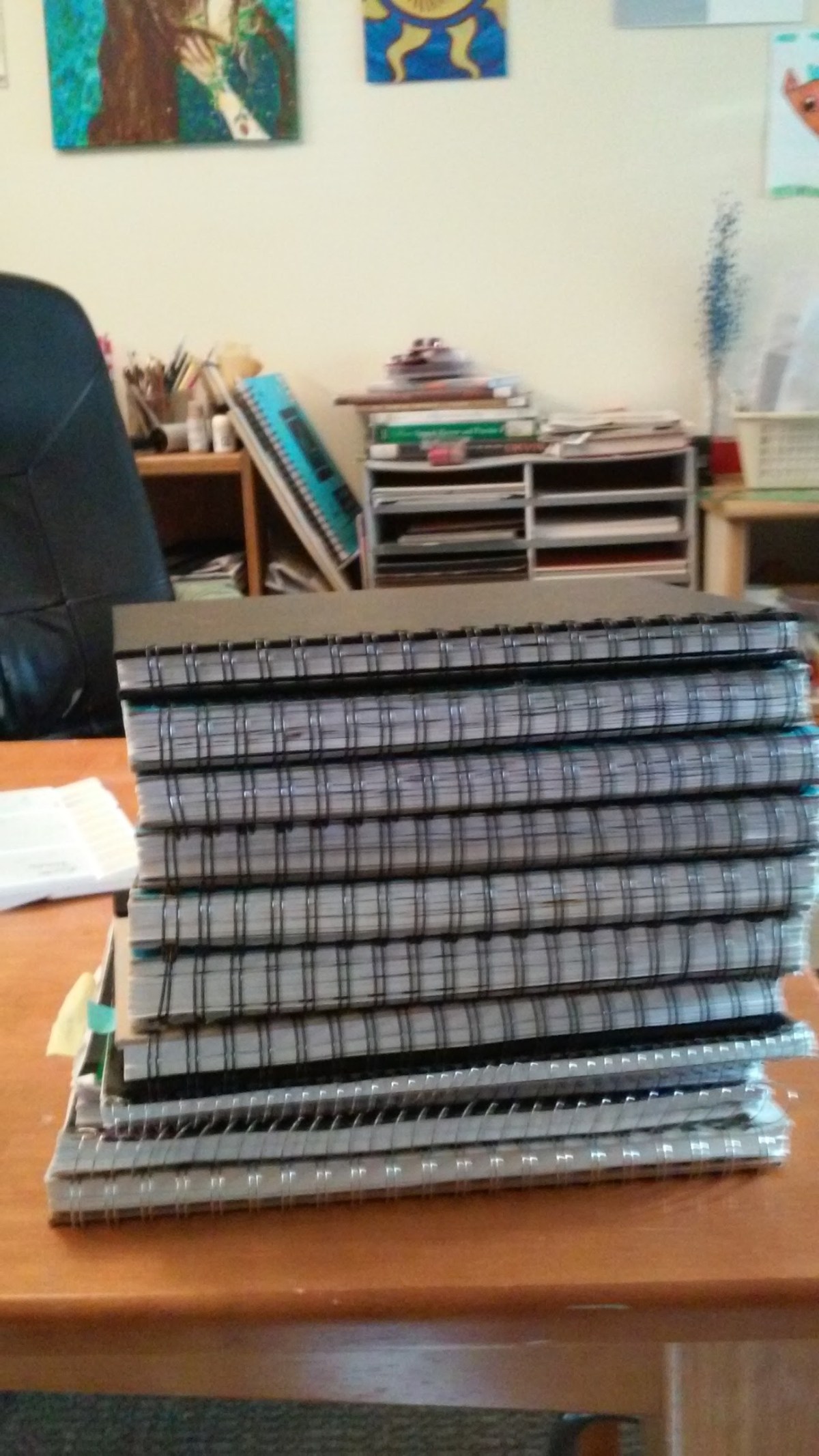
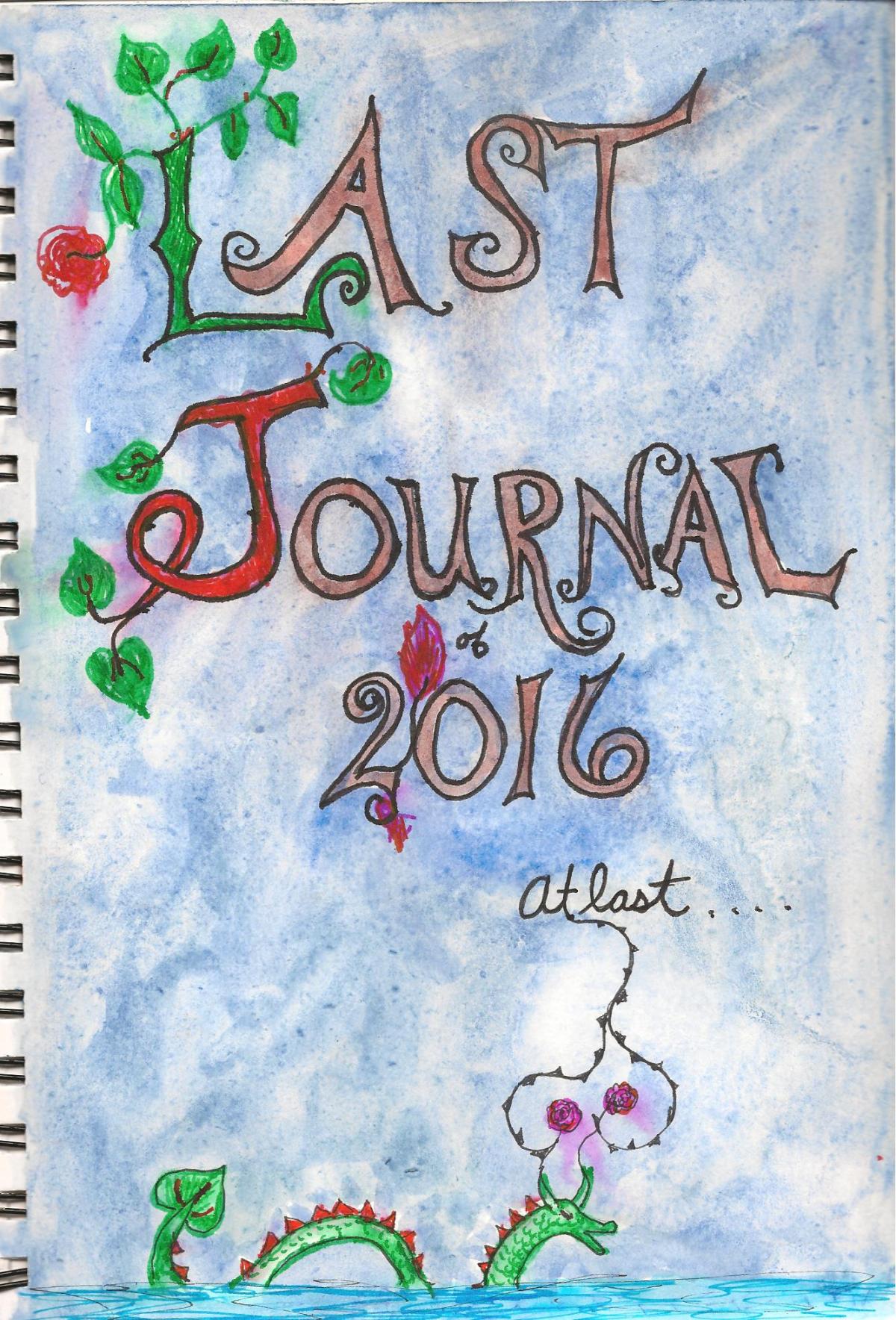
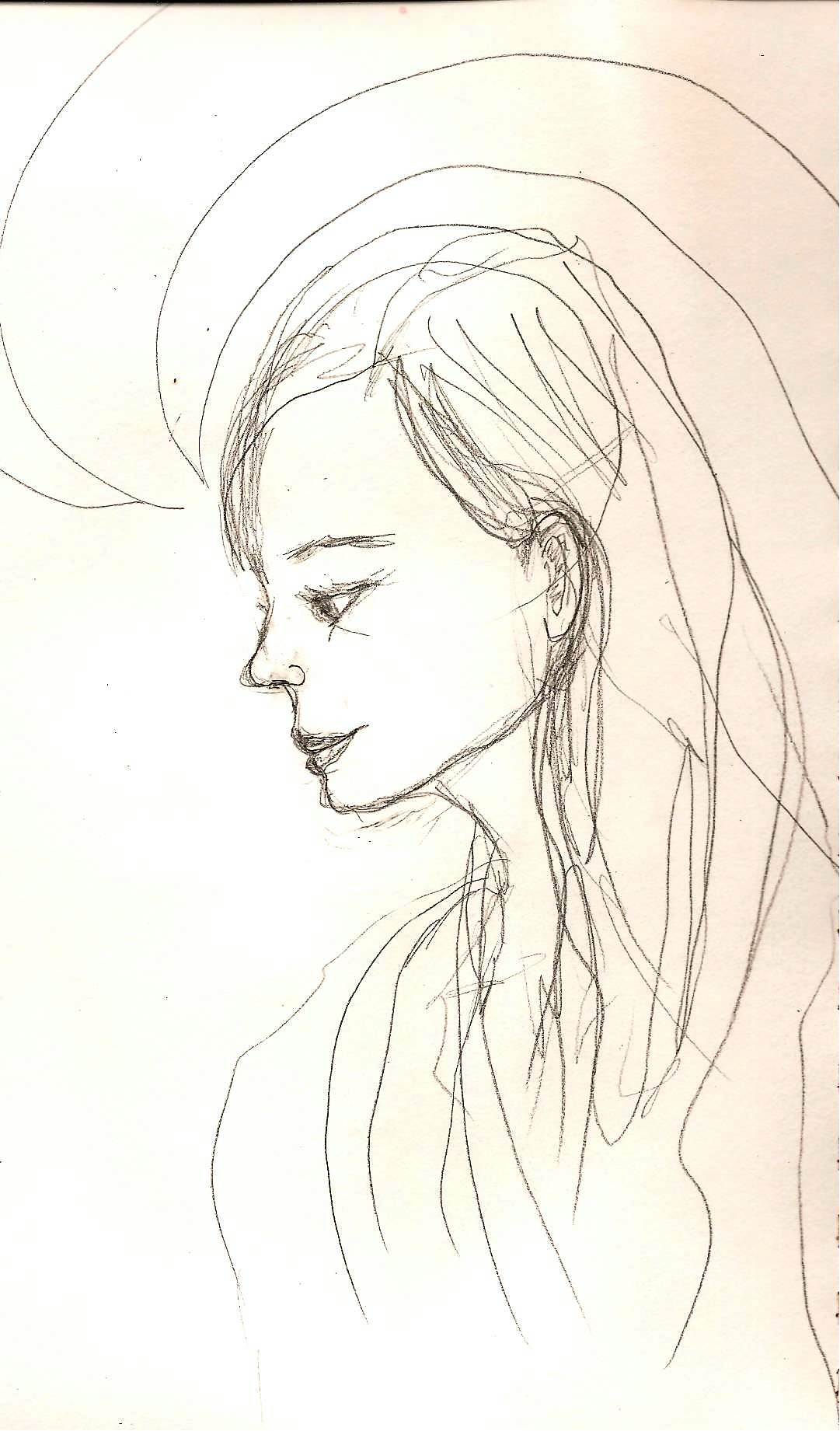
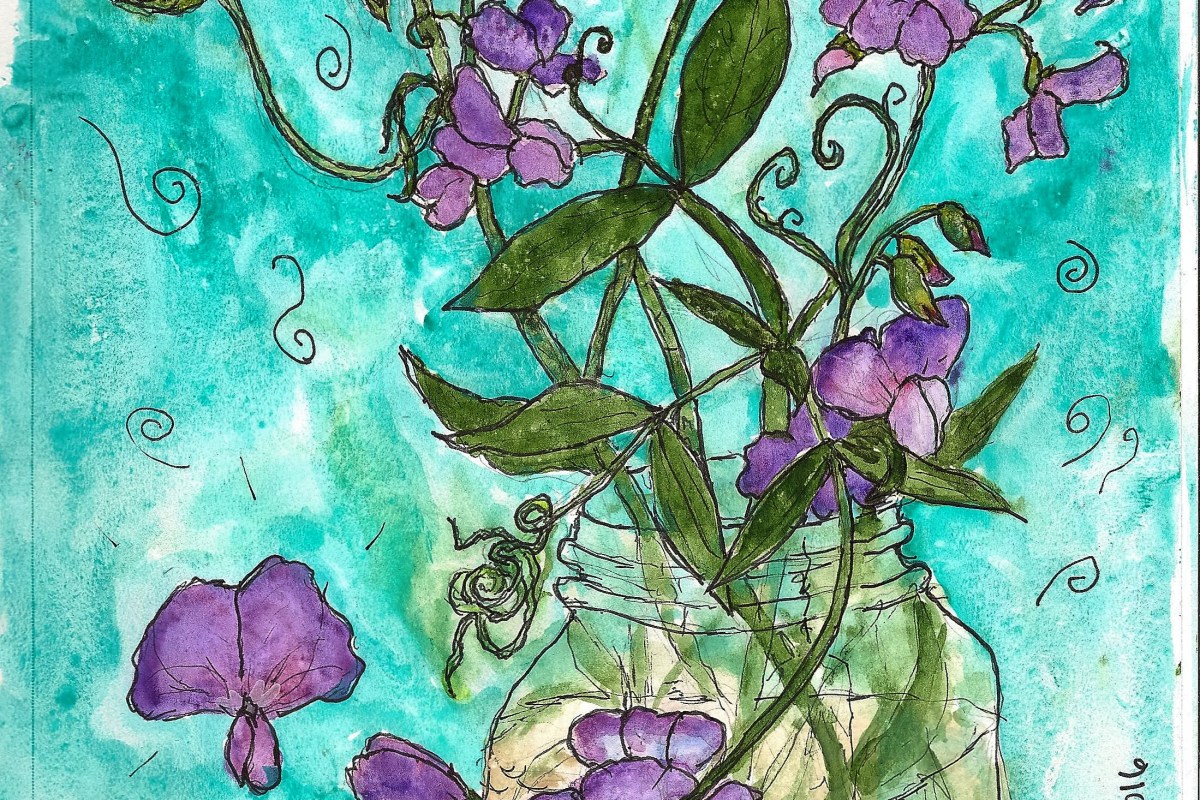
But I found instead that while I did take some weeks off from regular writing, I still filled 4 composition books with my journal writing and six visual journals with art.  I also started submitting stories for publication, and to my delight, one got accepted at the Evening Street Review and will be published April.

Creative habits have come through for me once again and helped me grow.  And they put major upheaval into perspective.  If you strive for a daily practice, then by the end of the year you’ve accumulated a lot of crap, but bits of delight shine through.

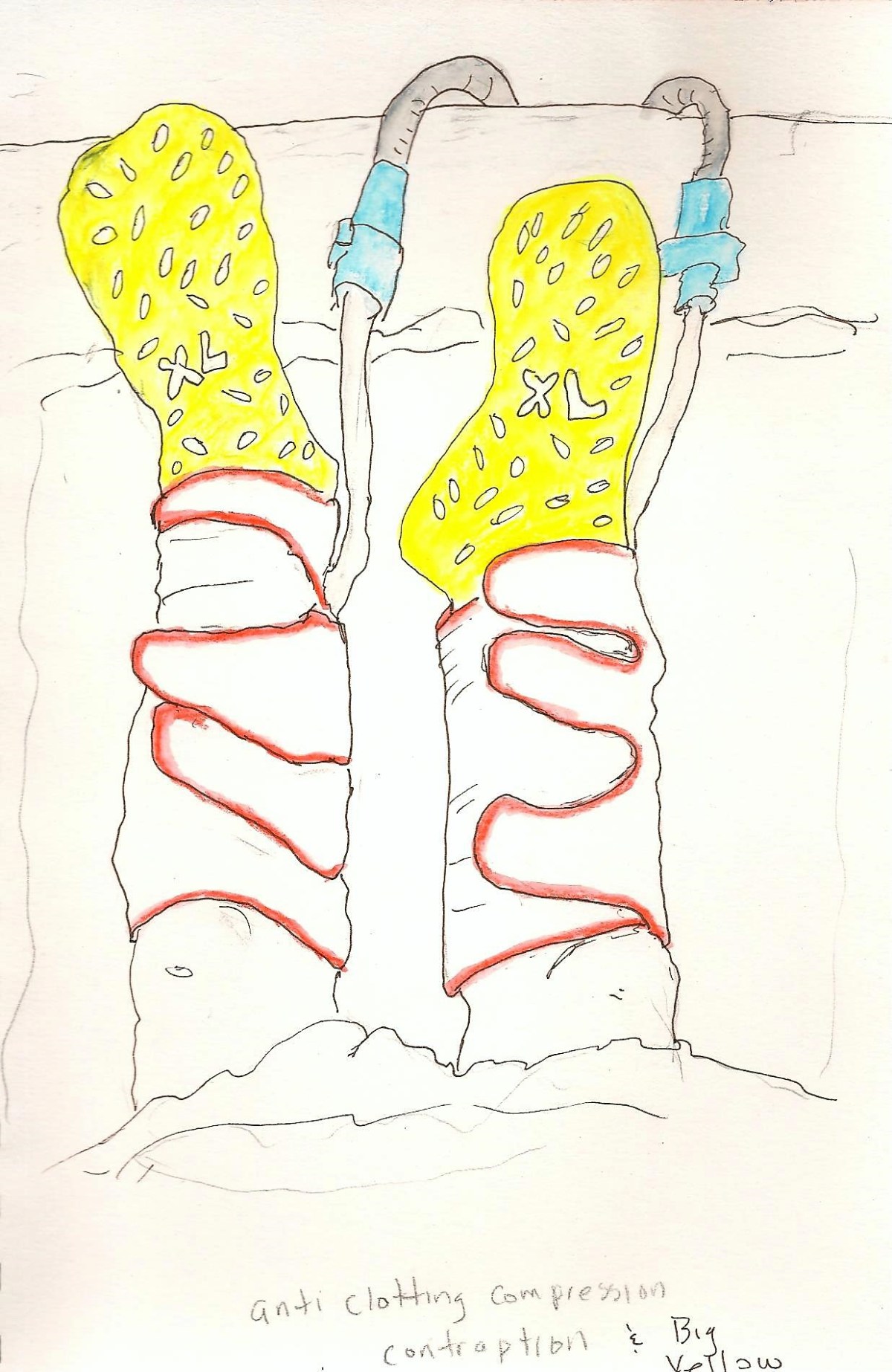
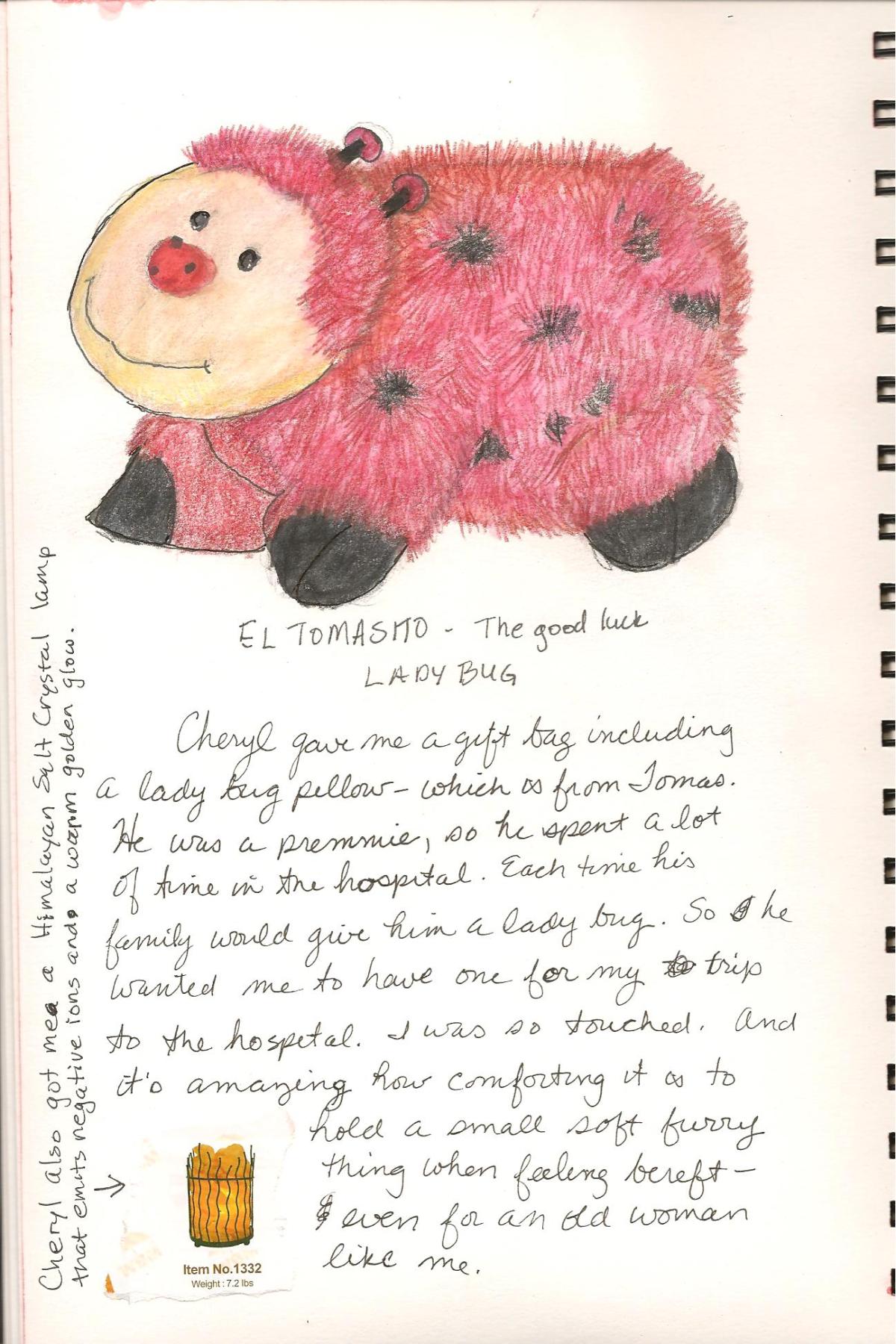
Last year’s resolution was to become unreasonable and compulsive in my creative endeavors.  And in that spirit, I took my journal with me to the hospital and began to write and draw as soon as I woke up from my colostomy surgery January 15th.

001


002
a collage while on really strong painkillers 

003

In early February of last year, I wrote this quote from Parker Palmer in my journal:

“There is a hard truth to be told:  before spring becomes beautiful, it is plug ugly, nothing but mud and muck.  I have walked in early spring through fields that will suck your boots off, a world so wet and woeful it makes you yearn for the return of ice.  But in that muddy mess, the conditions for rebirth are being created.”

I think the act of writing things down by hand in my journals helps set them in my mind, even when I don’t specifically remember them when I’m stuck in muck.

005

004

006
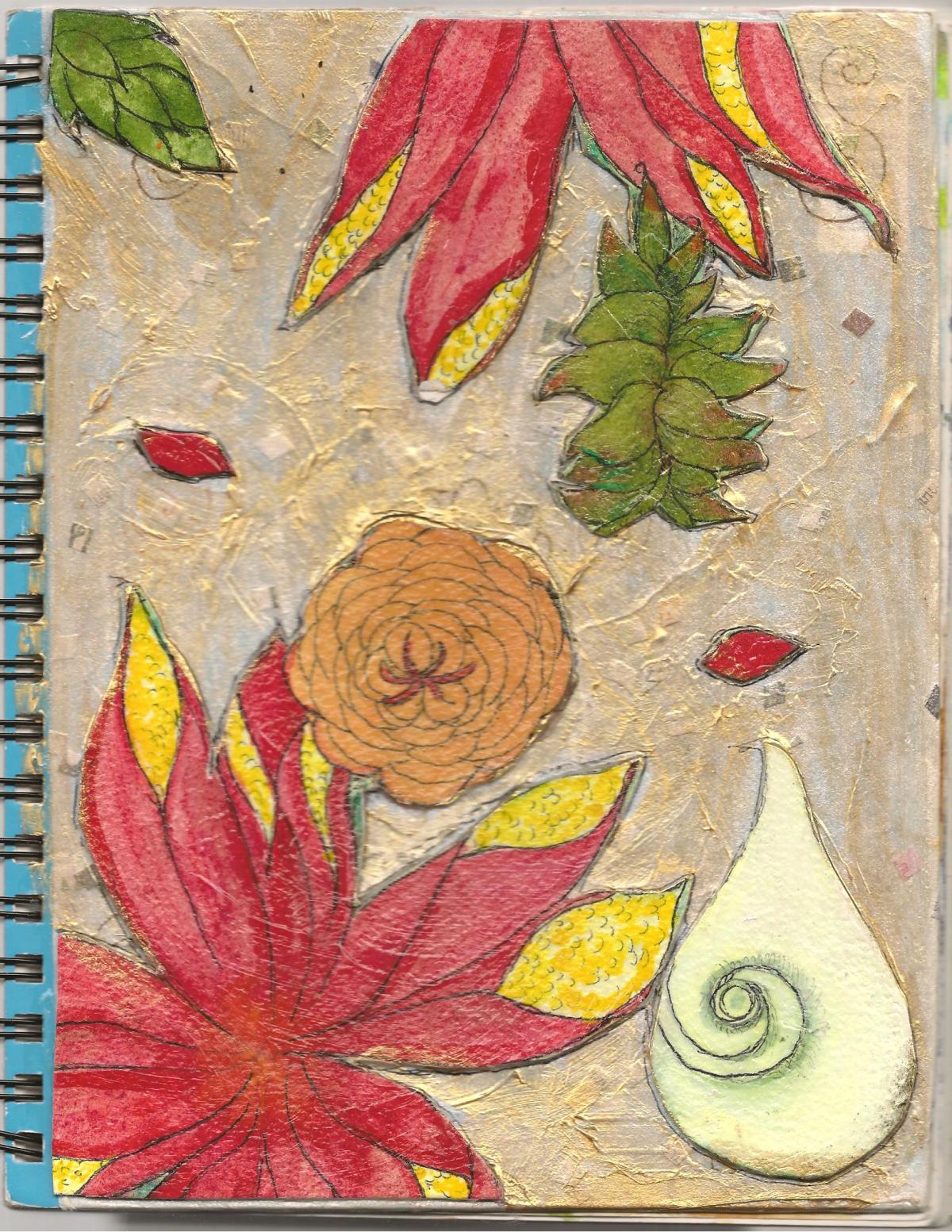
I cut up a painting I didn’t like and made a collage on my journal cover.  

I participated in a mask making workshop that inspired me to paint a lot of masks.


007


I read Syllabus by Lynda Barry and it gave me a big creative boost:

015


011

019


I tried new mediums — paper doilies included:

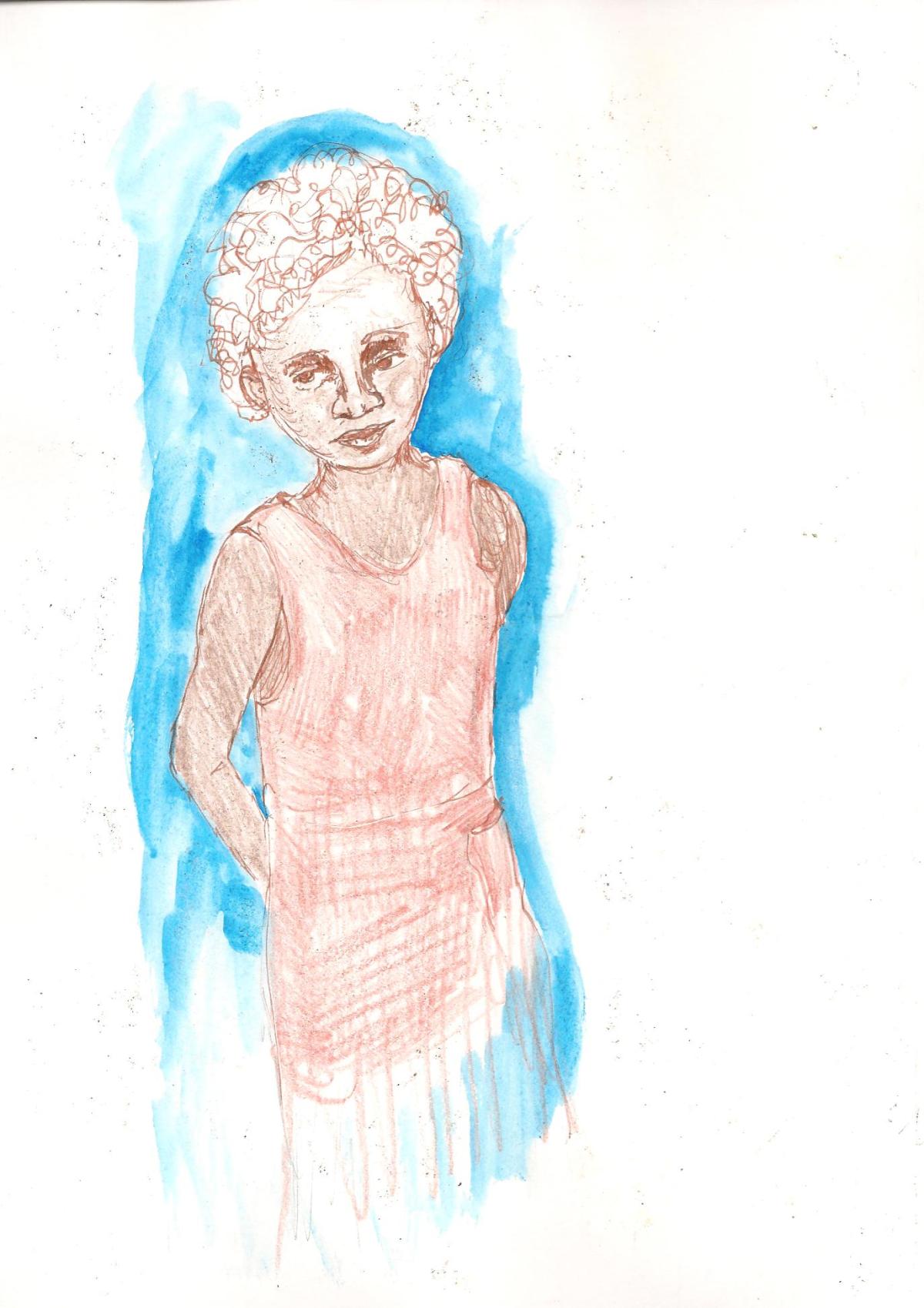
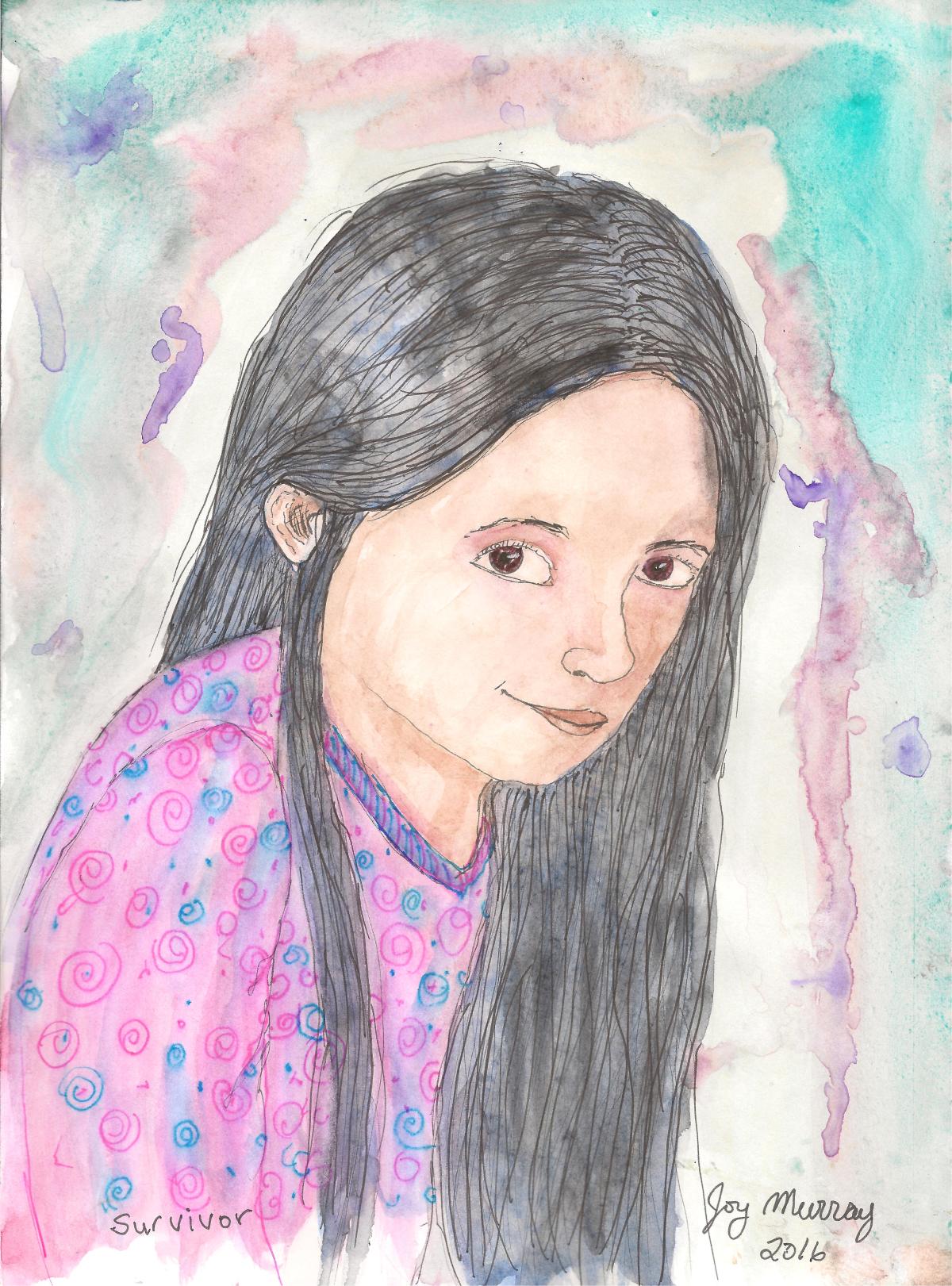
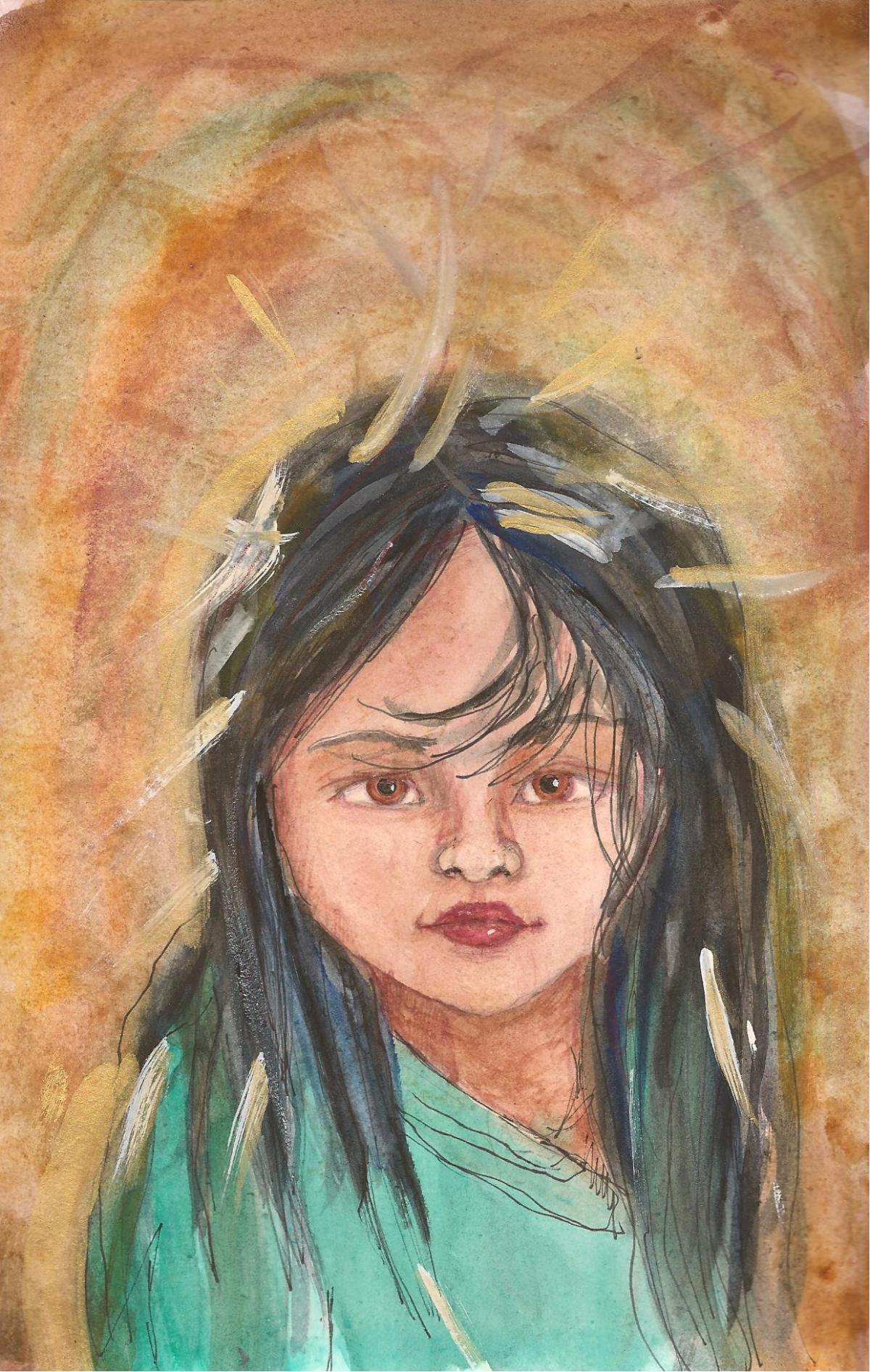
I remained enchanted with the human face and the way watercolor has a life of its own.

021

023

025

survivor

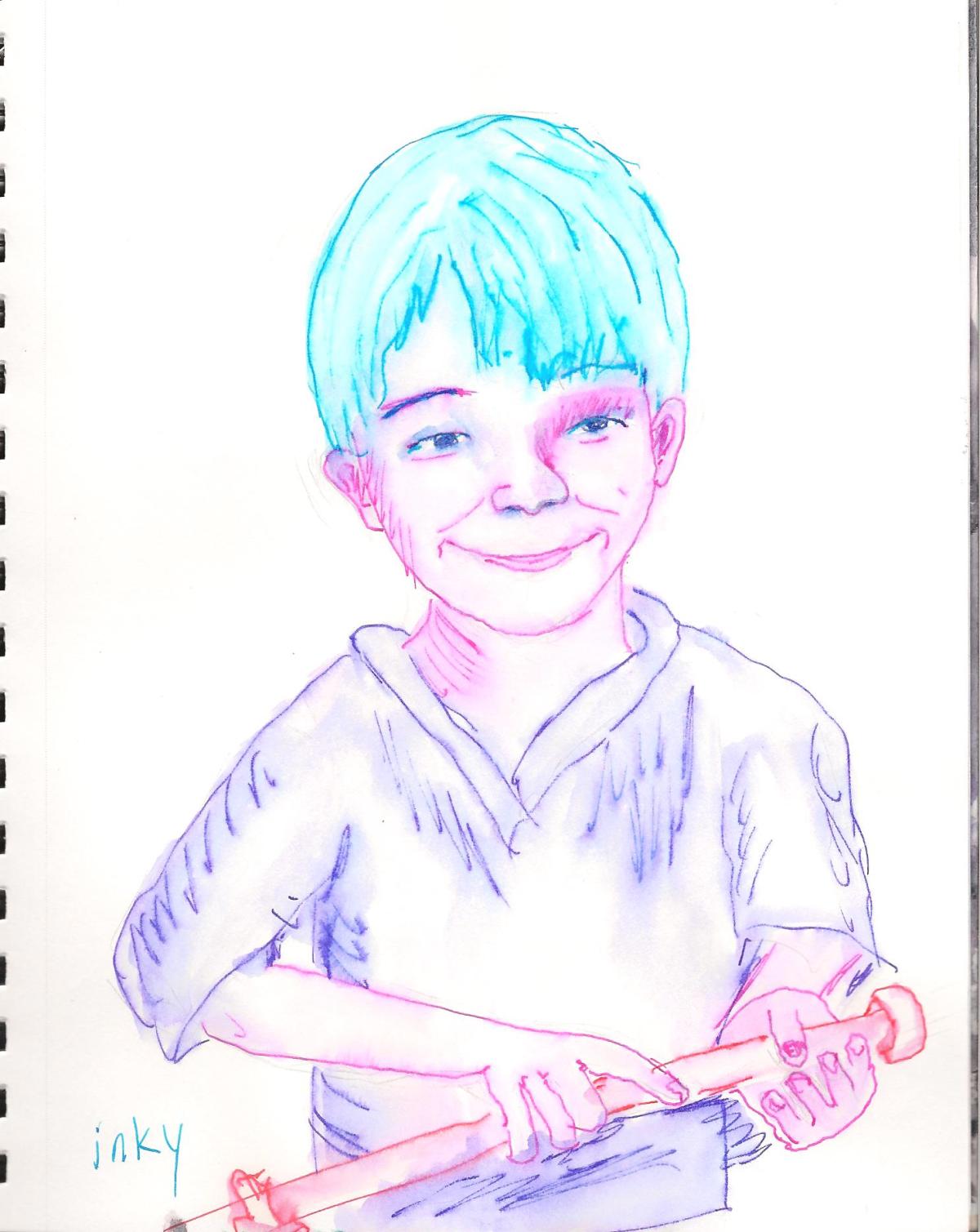
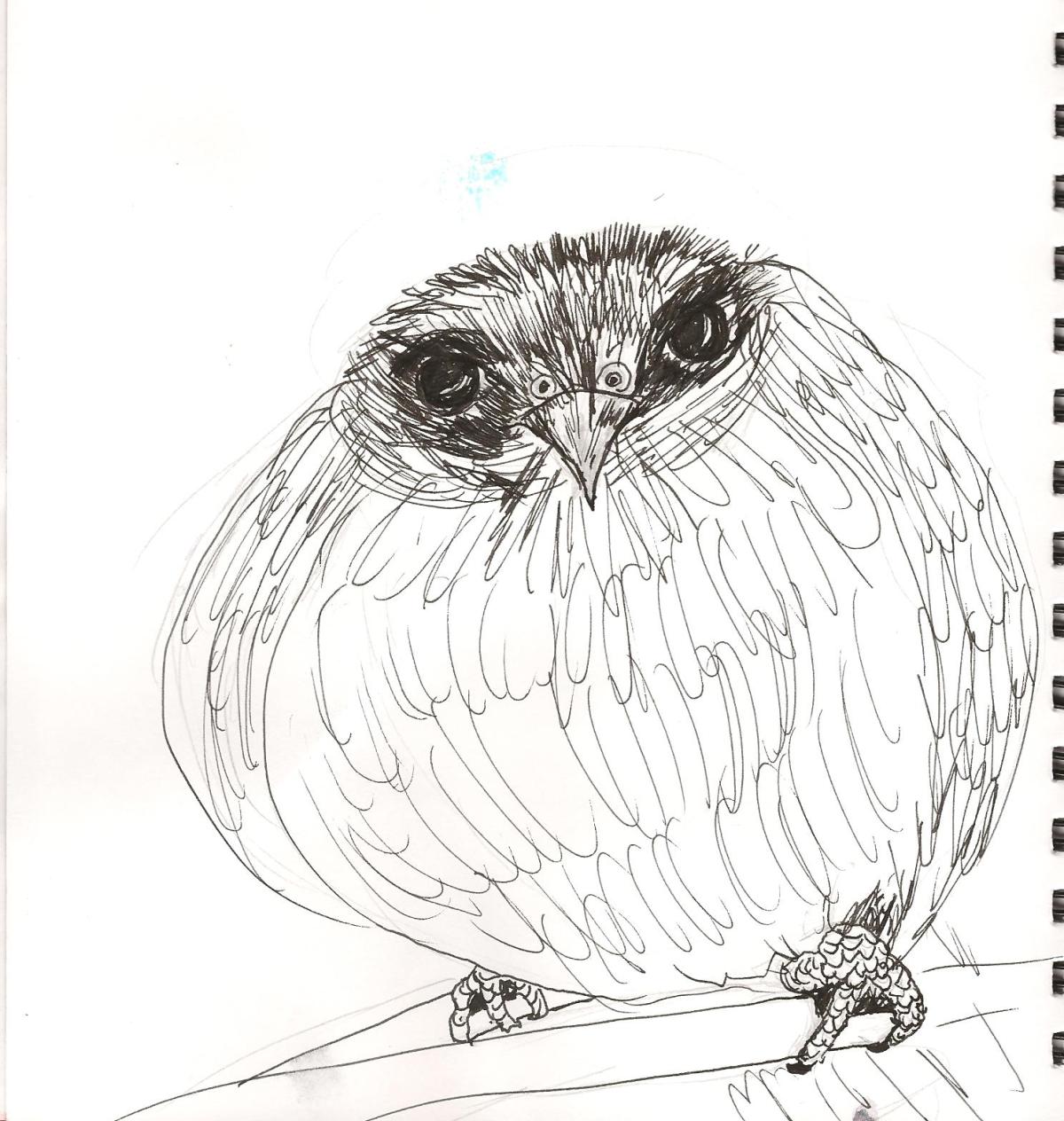
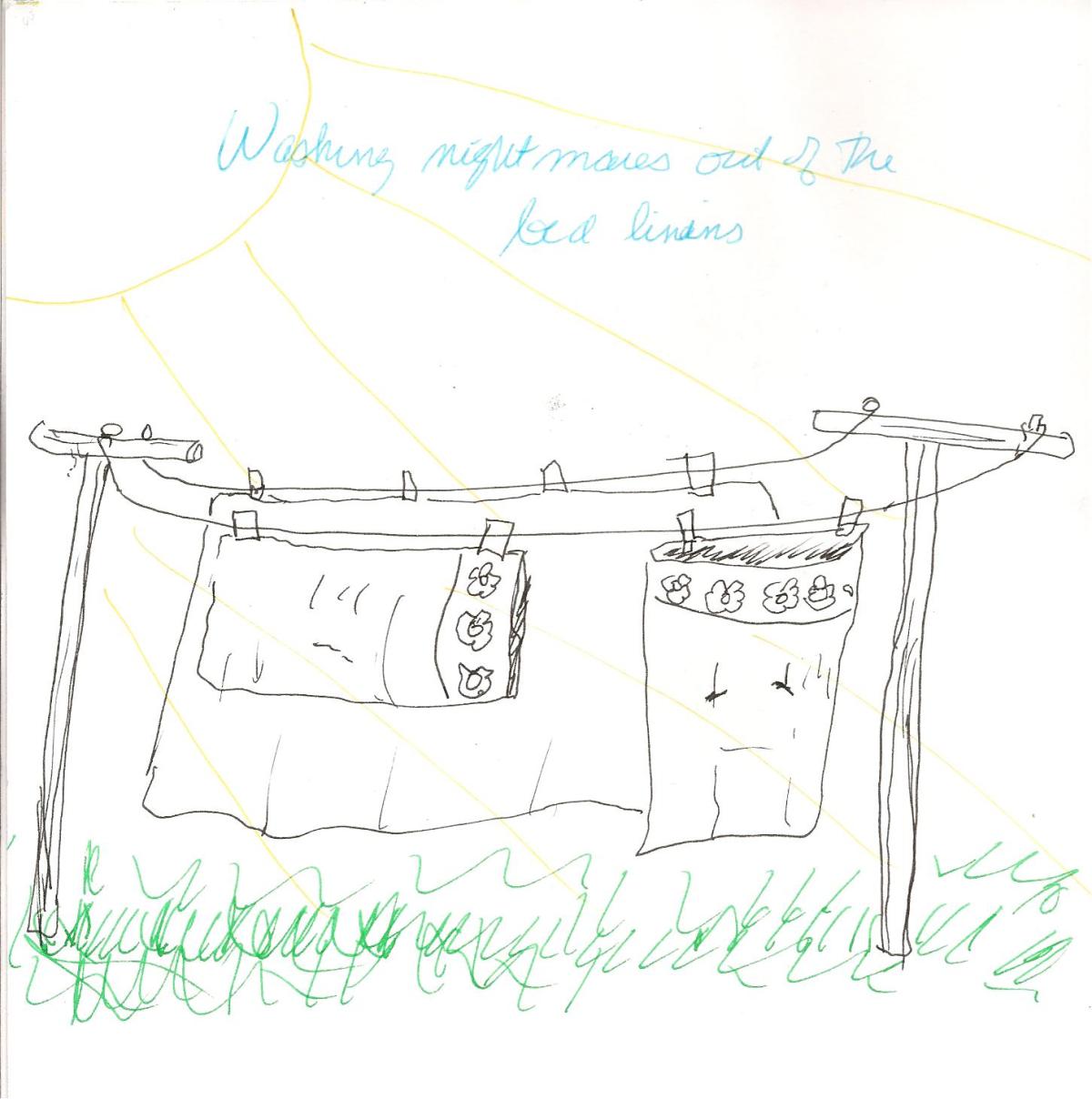
And I drew lots of doodly inky things:

026

022

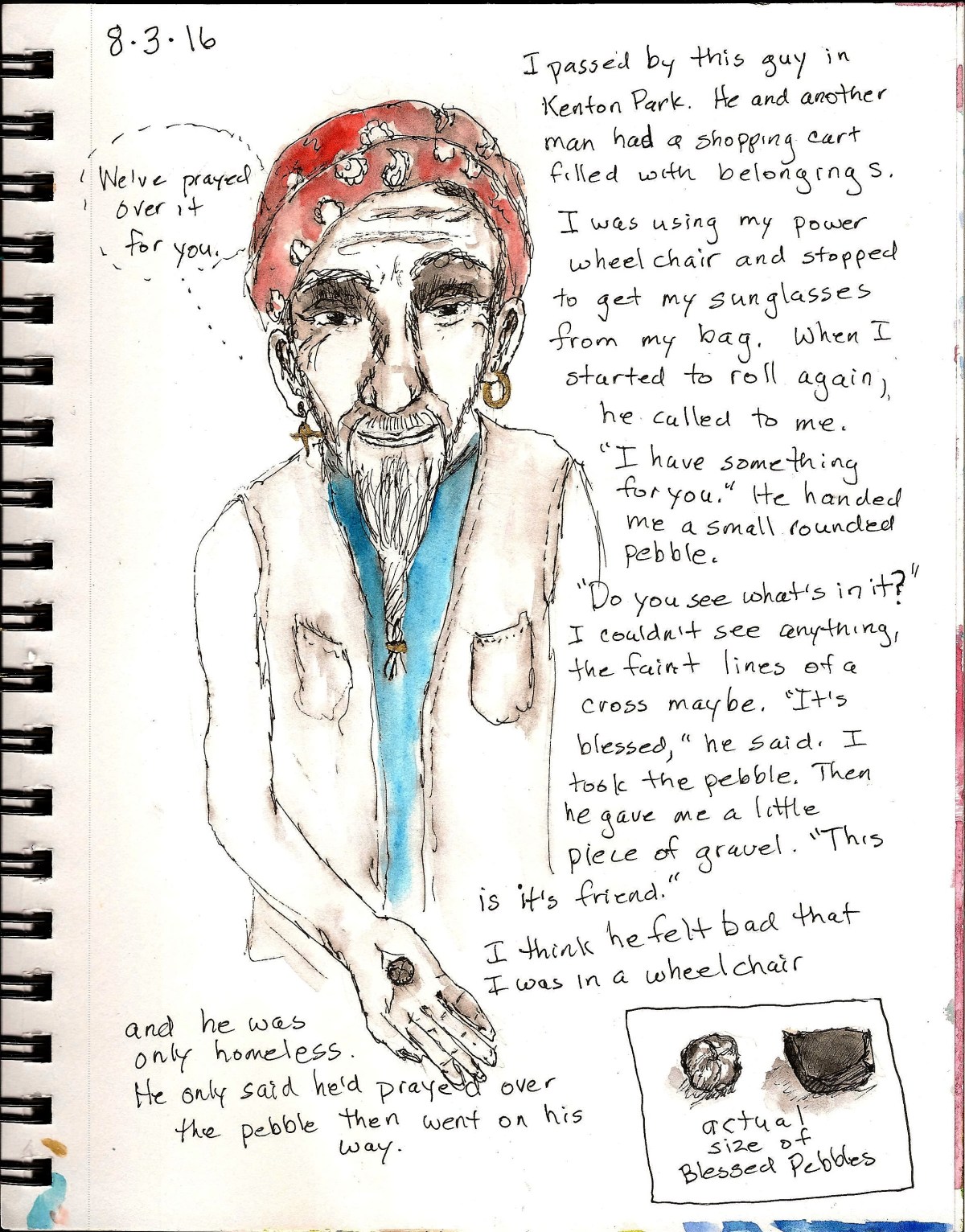
blessed-pebble

I took a restorative trip to my hometown, Memphis, and kept a visual journal about that, which you can read here.

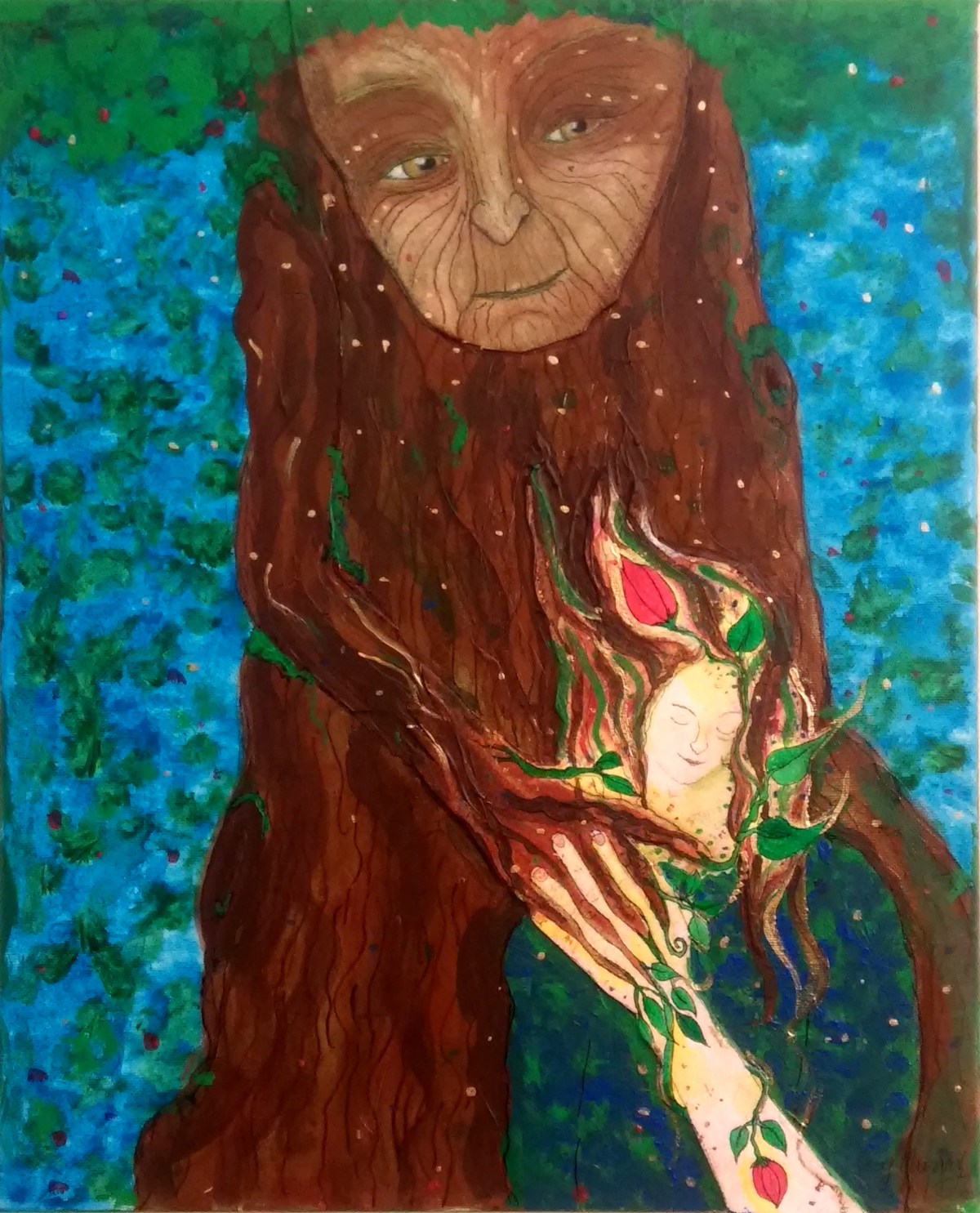
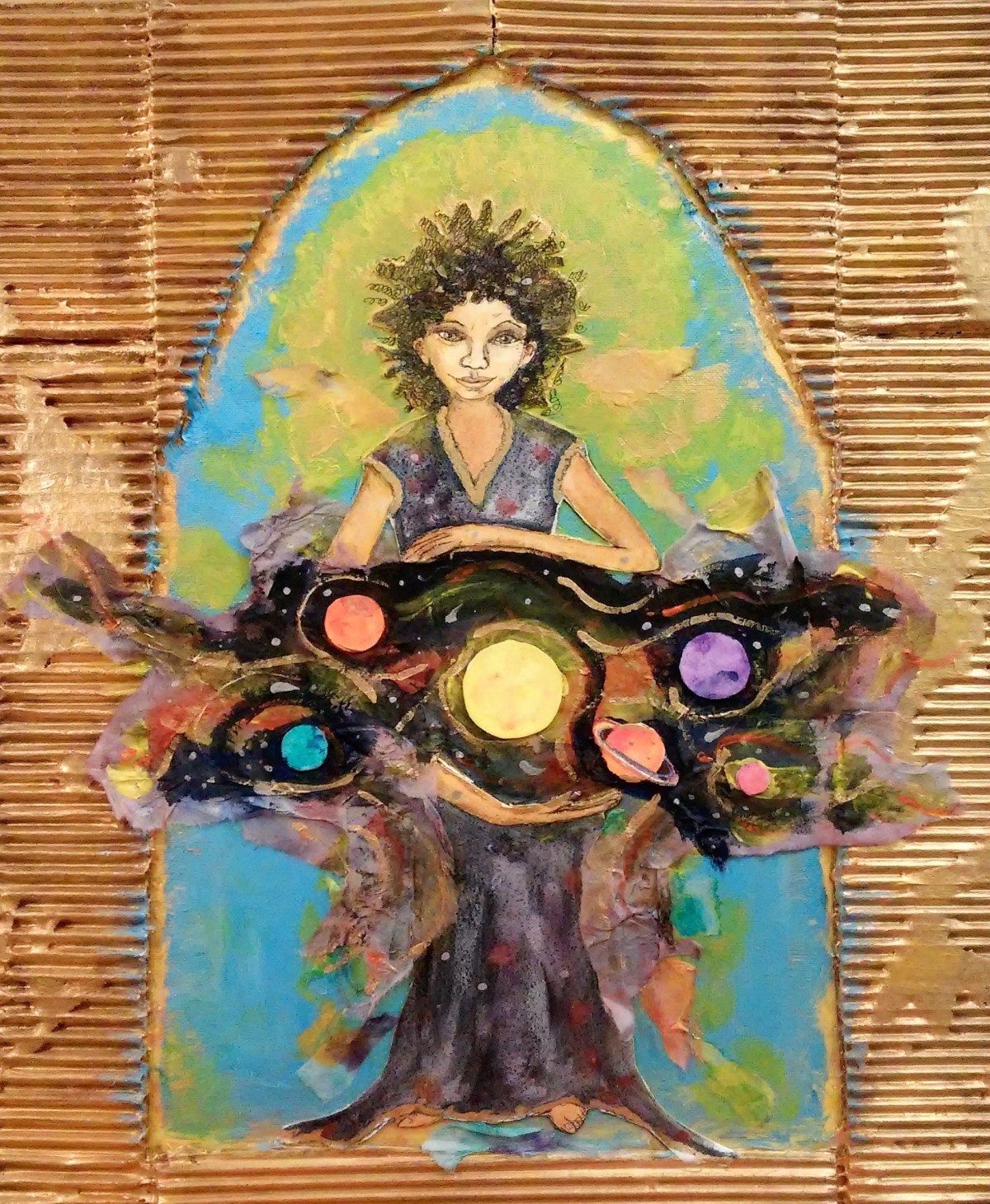
After I got back from Memphis, I began to feel like myself again.  I started painting larger paintings.  I’ve always felt I was a writer first and then a visual artist.  I realized the two influence each other equally.  My need to segregate my impulses melted away.  I stopped trying to make sense of it all, I just created in ways that felt right, and followed whatever ideas popped into my mind.


nature-heals
Nature Heals
holding-space
Holding Space


And the December 2016 journal:

027

028

she-was-3

029


030

artichoke
Missing summer

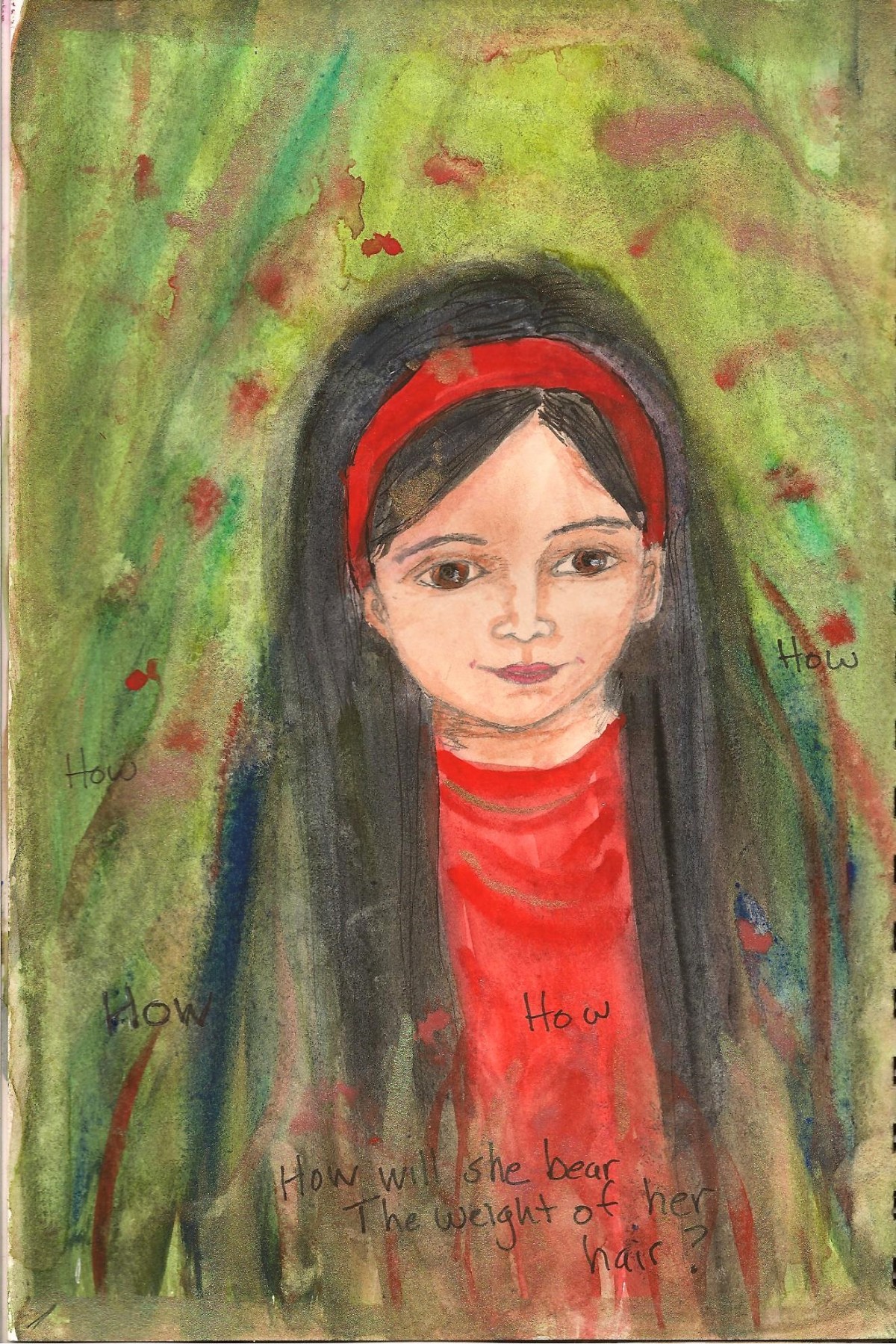
how

So, maybe because of the upheavals and challenges of 2016, I feel like a stronger person, and I know myself better.  The poet Marianne Moore said, “The cure for loneliness is solitude.”  In solitude, we create, we grow, we find the strength to rise above our challenges. I recommend keeping a journal to remind yourself that there is beauty in our fragmented world, and that you’re stronger than you think.

So, 2017, bring it on.  I’ll limp through the muck and celebrate the journey.

starcatcher-300


A Tiger In My Garden by ARNO

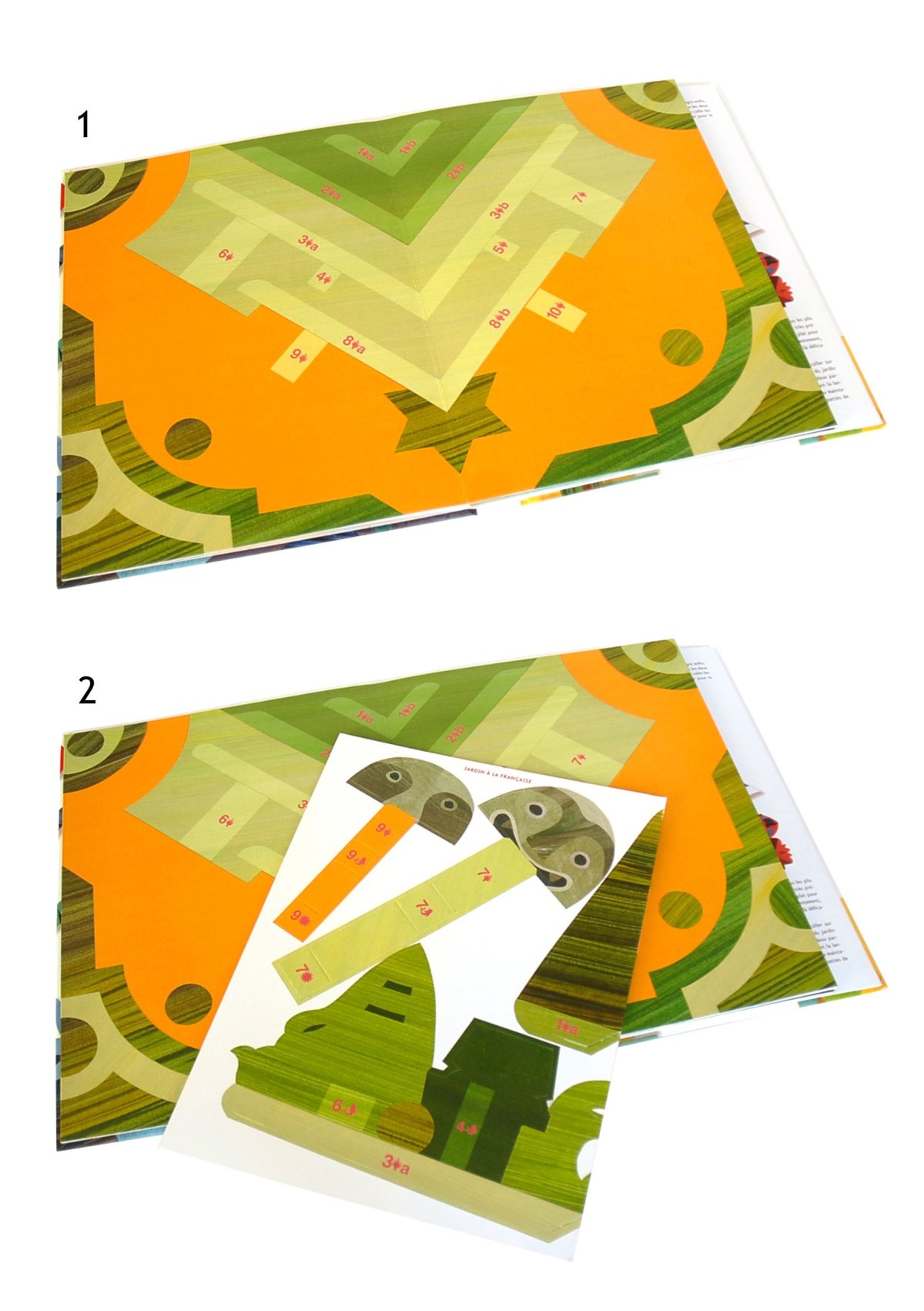
I’ve always been delighted by pop-up books, and I’ve thought about trying to make one myself, but I’ve never done more than a very simple pop-up card.  Lucky for me, the French artist and illustrator Arno has created a do-it-yourself pop-up book, complete with pre-cut shapes and easy to follow instructions.

81muufj3cnl

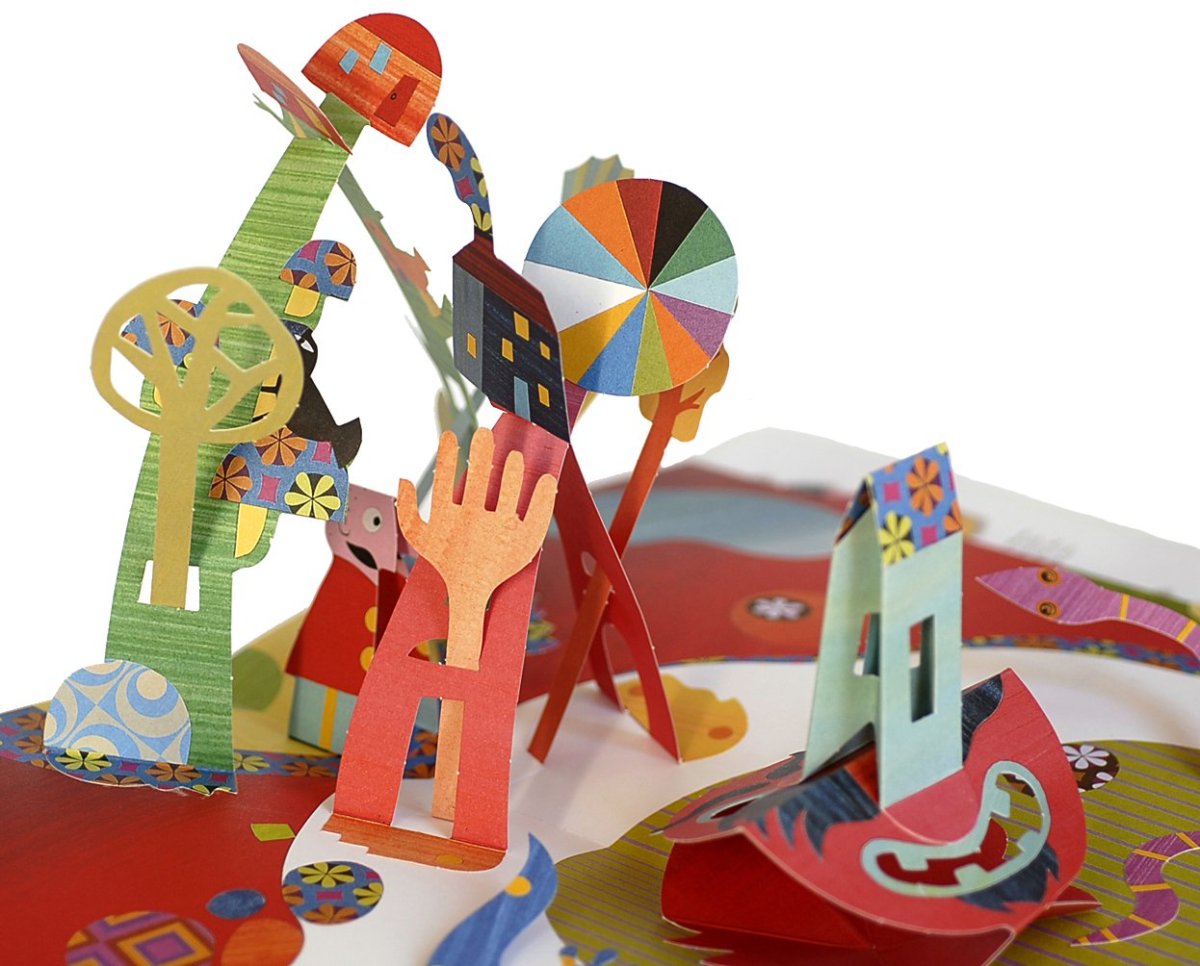
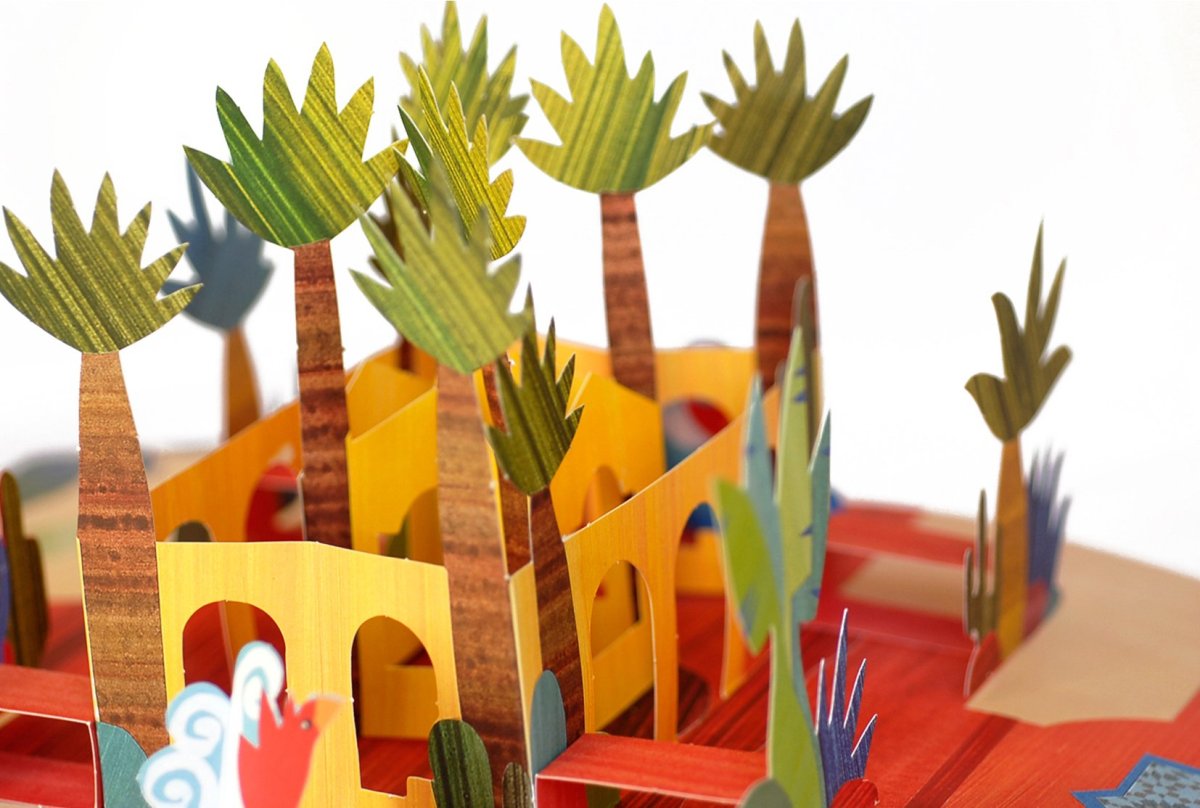
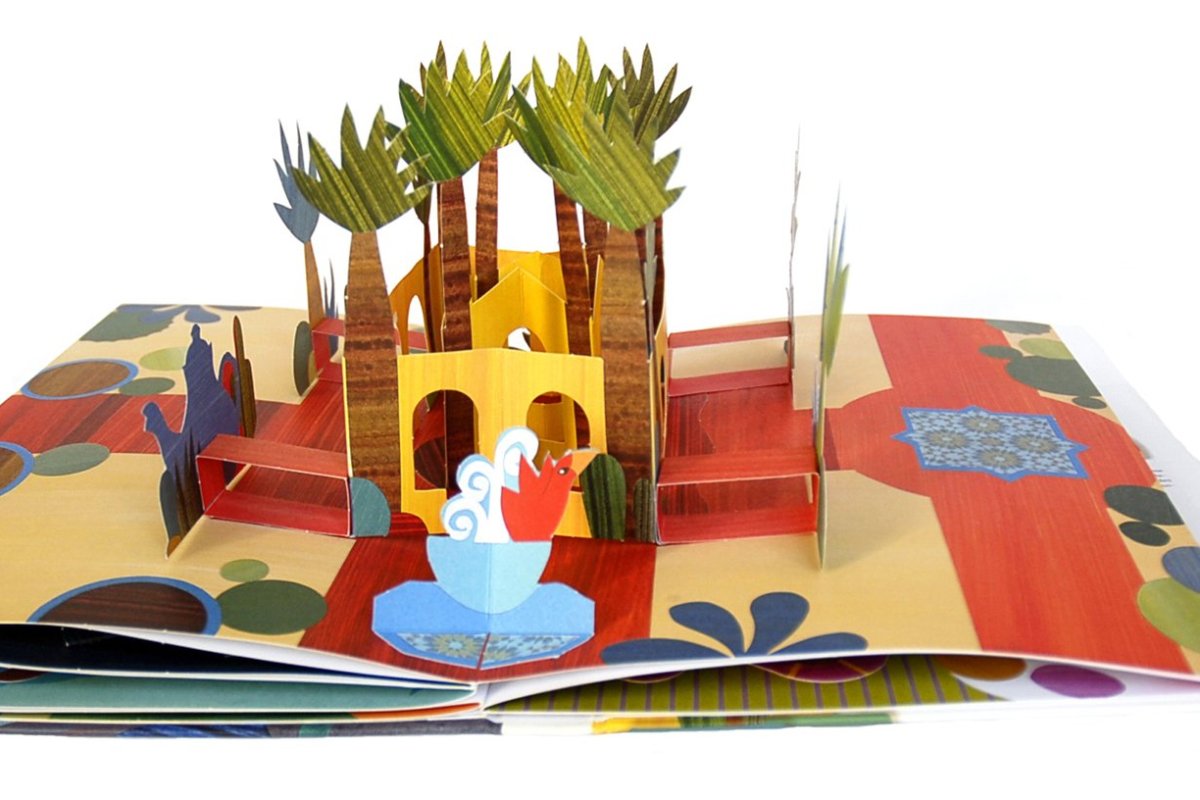
A Tiger in My Garden is a colorful and imaginative book that folds out like an accordion into 5 “unplanted” gardens.  You get to cultivate them, adding the plants and the sculpture then you can wander with a mysterious, mustachioed tiger through them.

Inspired by the late artist Derek Jarman’s unique garden on the coast of Kent, England, Arno has provided the graphics to create a French, Japanese, Arabian, tropical, and one dreamlike garden.


001

The book opens with a poem on the dedication page:

“Is it possible, in this city, without a soul

— where from the back of their buses

the bored tourists gaze—

is it possible, to find a place for a stroll?

I do admit, last Saturday,

I happened by chance to find my way

into, into into an extraordinary garden.

–Charles Trent, An Extraordinary Garden, 1957

A Tiger in My Garden is a visual love poem to gardens.

71vnbrfiuol

This book is for children ages 7 and up, but I really think it’s a book for the family.  It’s a little too complicated for just a 7 year old child.  It helps to have minds of all ages working together in the gardens

815qf374url

It would be a great project for a family night, or an activity with grandparents.

71iuxgrrmjl

What a lovely way to spend winter evenings when gardens are resting and nights are long.

71isolabvol

Working one a week, you can make a long term project that finally finishes off with a beautiful pop-up book.

At the end, you may just have all the tools you need to create your very own pop-up designs.

A Tiger In My Garden is published Prestel, who prints excellent art and children’s books.

If you like pop-ups, check out these reviews, too:

Small World of Paper Toys

Old Tales, New Views


Butterflies and Robots

Thanks for reading my blog.  Do you have a favorite pop-up book?


Zoe Ferraris’ Saudi Novels

I spent the weeks leading up to the 2016 presidential election on a reading binge.  I already knew who I was voting for and could hardly bear the way political discourse had degenerated.  Post-election, it hasn’t gotten much better but at least we know where we stand, and where to direct our energy.  And thanks to where I went on my reading binge, I appreciate more our mostly peaceful democratic system and the protection we have, such as it is, for women and minorities.

A friends of mind recommended the novels of Zoe Ferraris.  Ferraris has written a series of mysteries set in Saudi Arabia, a country about as far away from the United States in culture and history as you can get.  It’s also a country to which we are tied through oil dependency and business ties, a country with influence all over the world.  I’ve heard things about Saudi Arabia, but I’ve never done any in-depth study.  I like reading non-fiction, but it’s really fiction that can give me a real sense of empathy.  It’s the only art form that makes me feel like I’m getting into the mind and heart of someone different than me.  Even if it’s a perspective I don’t share, I deepen my understanding our complex and diverse world.

So it was with these books.  My friend warned me they weren’t easy reads, and she was right.  The crimes were brutal, and there were descriptions of beheadings, punative beatings, and torture.  I approached the first book with a bit of trepidation, but instead of triggering trauma symptoms in me, it triggered a sense that in spite of huge cultural differences, people can find common ground in the need for safety, the search for justice, and the universal human desire for spirituality.  I often feel like there is crime and corruption that is being ignored, and I guess these books validated that fear.
finding-nouf-200

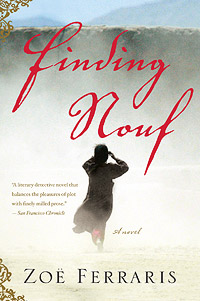
The first novel, Finding Nouf, concerns the death of a 16 year old girl three days before her marriage.  The girl is from a prominent family and Nayir al-Sharqi, who is friends with the girl’s prominent family, offers to discreetly help investigate the death.  Nayir is a Palestinian who leads tours of the desert and lives in a boat in Jeddah.  Nayir is a conservative Muslim and isn’t comfortable with women.  His friend, Othman, Nouf’s brother, wants Nayir to work with Othman’s fiancé, Katya Hijazi.  Katya works in the women’s section of the medical examiner’s office.  Women are allowed to work there because women are needed to examine the bodies of women.  There is segregation even in death.  But, the Saudis are trying to get more women in the workplace while upholding the separation of the sexes.  It adds so much to the tension and the plotting of this story because the characters have to work within an intricate often punitive system..

Nayir, Katya, and all the characters of this novel are expertly drawn.  Ferraris obviously respects the culture and resists writing stereotypes.  She gets into the heart of Nayir and Katya, their different world views, and their parallel desires to be good people, to be good in the eyes of God.
city-of-veils-200

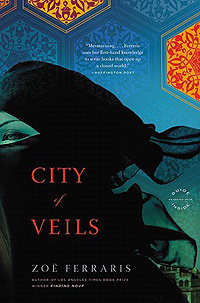
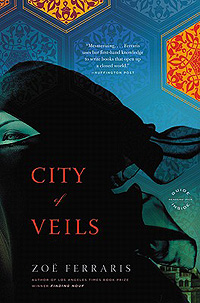
In City of Veils, an unconventional young woman is found mutilated and half-nude on a beach near Jeddah.  Also, an American security contactor has disappeared and left his American wife in a desperate situation – she speaks no Arabic and is powerless in a country where women can’t even drive.  Nayir’s awareness of the vulnerability of women in such a segregated society becomes intensified as he tries to help her.  Katya, meanwhile, has to pretend she’s married to keep her job, so she won’t tempt men.  Her help and insights are welcomed by Detective Inspector Osama Ibriham, who feels constrained by the strict separation of the sexes – at least until he finds out his wife wants more freedom than he wants to give her.

In this scene, Miriam Walker, from North Carolina, has just returned to Saudi Arabia where her husband Eric works.  He wants to use skills he learned in the US military to help protect people in Saudi Arabia and make a lot of money.  Miriam feels it’s a healing job for him, but she gives up a lot to support him:

city-of-veils

city-of-veils-2


kingdom-of-strangers-225

In The Kingdom of Strangers, the latest but hopefully not last book in the series, a secret grave is found in the desert containing the bodies of 19 women, all with their hands cut off. The women have been killed at different times during the past 20 years, so Jeddah has to face the fact that a serial killer has been operating under their noses.  The idea that their strict laws prevent such atrocities is sorely tested.  And the liberal Chief Inspector leading the case is distracted because his mistress has gone missing.  He can’t report that she’s gone because he’s not supposed to associate with her or any single women.  If either of them are found guilty of adultery, the punishment is death.  He asks Katya, the only person he can trust in the department, to help find her.  Katya must carefully navigate this request.  She also is trying to get more involved in the investigation of the serial killer.  She’s helped by a Western serial killer expert who was invited to help on the case, and turned out to be a woman with the name Charlie.  Katya enlists Nayir’s help, but she fears how he’ll respond to the idea of a man having a mistress.  She also has to learn to trust her own instincts.  Nayir, meanwhile, can’t decide how and when to support her.

Ferraris lived in Saudi Arabia in the aftermath of the first Gulf war with her then husband and his extended family of Saudi-Palestinian Bedouins.  She shows the reality of what it’s like to live under a strict religious government and what people have to compromise to survive in such a society — what is good, what is not.  Though they are expertly plotted, these are character driven books.  I love the way Ferraris gets into her characters’ thought processes.  Here, Nayir, is considering his hoped for marriage to Katya:

002

I found each book in this series gripping and felt a little bit of grief that there weren’t more of these books to delve into.  I know I’ll read them again because I know that in reading them so quickly, I missed some of the finer points of Ferraris’ writing.  The shock and brutality of the murders is disturbing, but there is a sense of closure in each one.  She writes about the racism and double standards that plague all societies. She explores the folly of believing strict religious laws enforced without due process will end corruption and violence.  But there is also humor, insight and hope.  We are a strange and often duplicitous species.  Life seems to offer an endless series of veils as we search for truth and meaning.

How wonderful to find a writer who so skillfully presents a mirror that reflects our extremes, and shines light on human resilience. If Katya or Nayir or any number of the characters in these books migrated to my neighborhood, I’m sure I’d benefit from knowing them.  I also liked that there are Muslim characters from other countries who are frustrated with Saudi rigidity.

These books aren’t for everyone.  They explore violence and the threats of live.  I got my copies from my local library, and in Kingdom of Strangers, I got a bit of redlined editorializing.

001

Comments like this marred pages throughout the book.  I felt a little sorry for the reader, so eager to pass judgement, that they may have missed the opportunity to see how the characters evolve.

If you read, or have read, any of these books, let me know what you think in the comments.

You can read more about Zoe Ferraris on her website here.  Her most recent work is a book for younger readers, The Galaxy of Pirates:  Hunt for the Pyxis.  It’s on my to-read list.


The Journey by Francesca Sanna Review

I was so pleased to see that The Journey, by Francesca Sanna, made the Publisher’s Weekly list of Best Children’s Books of 2016.  It’s a gorgeous, deeply moving book.  I found myself wishing that it could be mandatory reading for everyone since it presents the plight of war refugees with such clarity and insight.
In this past year, we’ve been subjected to so much political simplification about this matter, it’s brilliant to see a picture book restore the humanity and complexity to the story.  It looks at the situation through the eyes of a child.
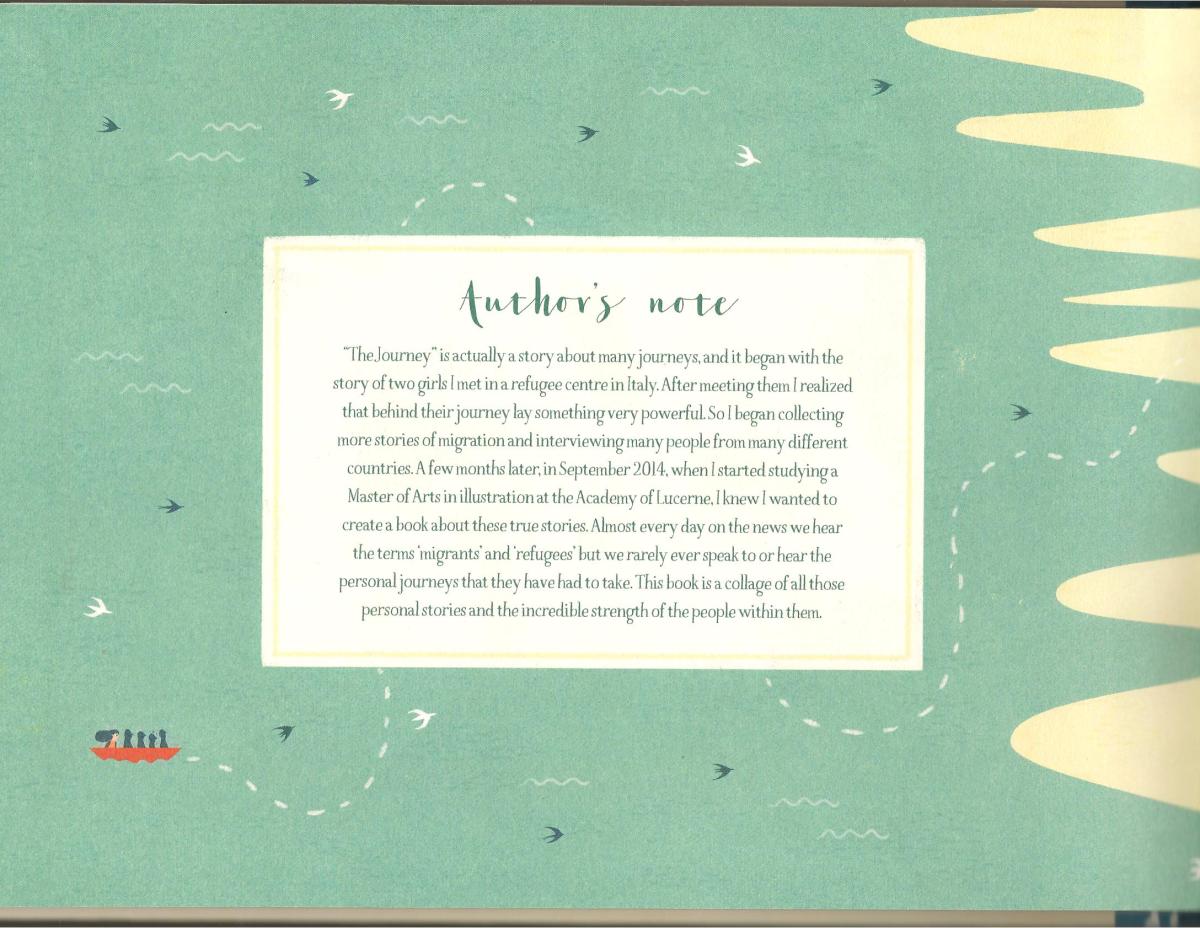
The book’s author’s note says:

003

Published by Flying Eye Books, The Journey is beautifully bound and presented.


I appreciate Flying Eye for taking a risk on this book, since it’s not a happy children’s story.  And it doesn’t offer solid closure.  In fact, it reads like a poem to what is lost when war tears a country apart.  The illustrations are both simple and complex, and very moving.


I’ve shared this book with more adults than children.  The children I do share it with are over 10, watching the news, and listening to what is being said about refugees, immigrants, and the disenfranchised.

It’s been hard for me to see so much hatred and distrust rise up in the upcoming presidential elections.  It’s particularly hard to see the children I work with exposed to this kind of fearmongering for the first time.

The discussions The Journey has inspired haven’t been easy.  What causes a war?  What is a border?  Why don’t people help each other more?

The children I work with haven’t had sheltered lives.  Since most of them have been in the foster care system, they know exactly what it means to lose everything.  Their journey has been harrowing but none of us has seen actual war in our country in our life time.

One of my 11 year old friends said, when he gets big, he’s going to try to make it easier for people to find a place where they will be safe.

I hope one day he gets that big.  I hope we all do.

016
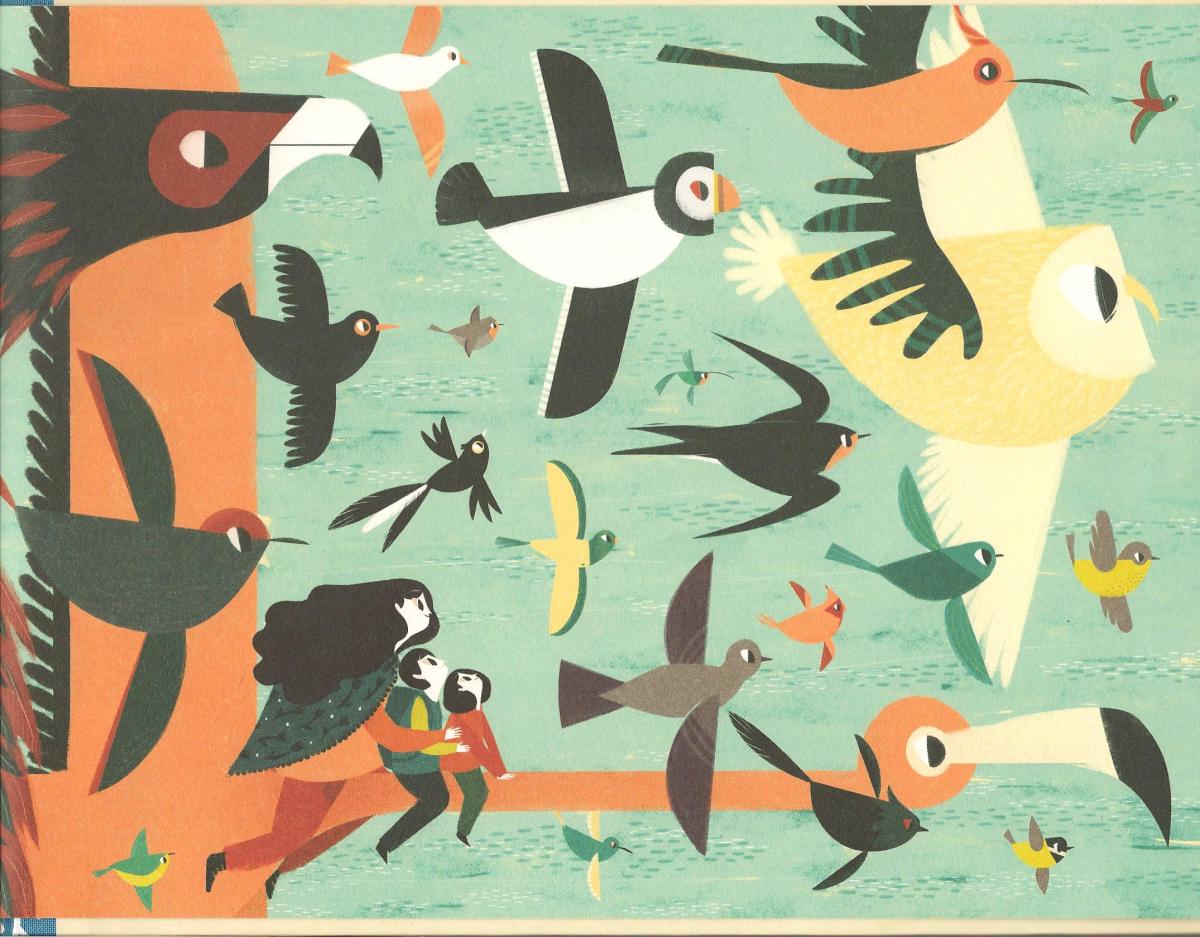
Sanna’s use of migratory birds as a metaphor for refugees brings hope into the story.

I know for now that The Journey is book that will make our hearts bigger, even if that growth feels painful.

Blessed are the peacemakers.