
Unique village, Charming Book

village-is-a-busy-place-200x200

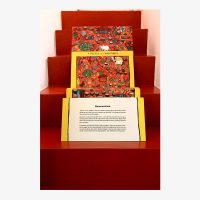
I’m always impressed with the innovative and colorful books Tara Books publish.  One of their latest, A Village Is a Busy Place! by Rohima Chitrakar and V. Geetha, is an activity book with a structure I’ve never seen before.  It’s illustrated in the Bengal Patua style of scroll painting.  It unfolds and the picture gets bigger and bigger, each illustration blending into the next, until it’s about 4 feet long.


It opens with plans for a wedding, shows what a  normal day is like in the village, and how everyone works with each other to meet the village needs.

village-spread-3-200x200

The text is on plain white paper, bordered in yellow.  Children can look for the wedding chair, the cat, the cooks, the fishermen and other things described in the text.  Because the illustrations are done in folk art style, the search will help develop visual literacy skills, as well as introduce the culture of the Santhal people, who are among India’s largest indigenous communities.
village-spread-2-200x200

The book has a grommet in the top so it can be hung as a colorful work of art in a classroom, or in my case, my art studio.  Here’a video by Indian Mom’s Connect that shows how the book unfolds:

It’s charming and wonderful to read to children,.  They love to see new styles of books, books that surprise and delight.

You can find a copy of the book through Tara Books or Amazon.com.  I urge you to look at Tara Books website.  It shows the fascinating process of how their books are made as well as information on their many publications.

You can also see other books I’ve reviewed from Tara books here:

Slender Art Galleries

Carnival Book

Don’t let  your age keep you from reading picture books.  Delight has no age limits.
 

Back to the Drawing Board

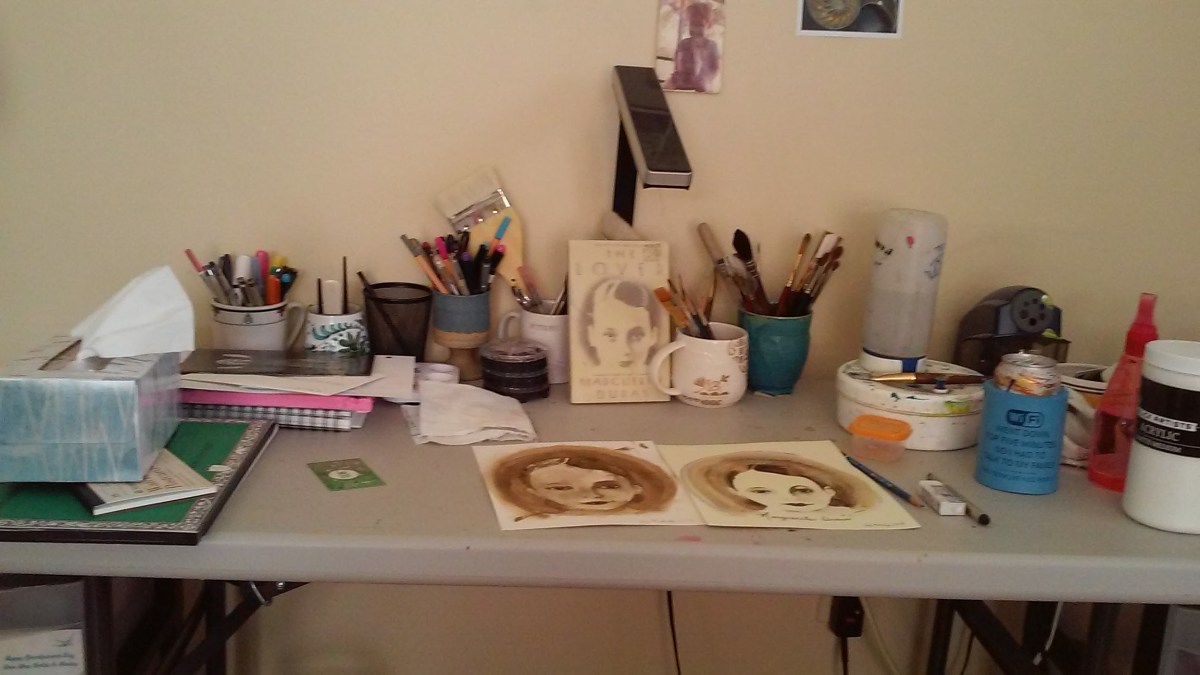
I’ve finally gotten my drawing space somewhat in order after moving from Portland, Oregon, to Memphis, Tennessee, in May.  I have wonderful southwestern light and lots of space.

20170612_160816

I’ve missed doing my daily drawing practice.  I’d hoped to keep an excellent travel journal, but it turns out, I wasn’t that good at it.  I get car sick if I try to draw while I’m in a moving vehicle, and when we stopped, I was too tired to do much.

Moving always unsettles the best laid habits, but I’m slowly getting back into both writing and drawing daily.  I confess I started drawing and painting earlier in the month and was appalled at what I produced.  I’m trying new techniques and experimenting with acrylics and ink.

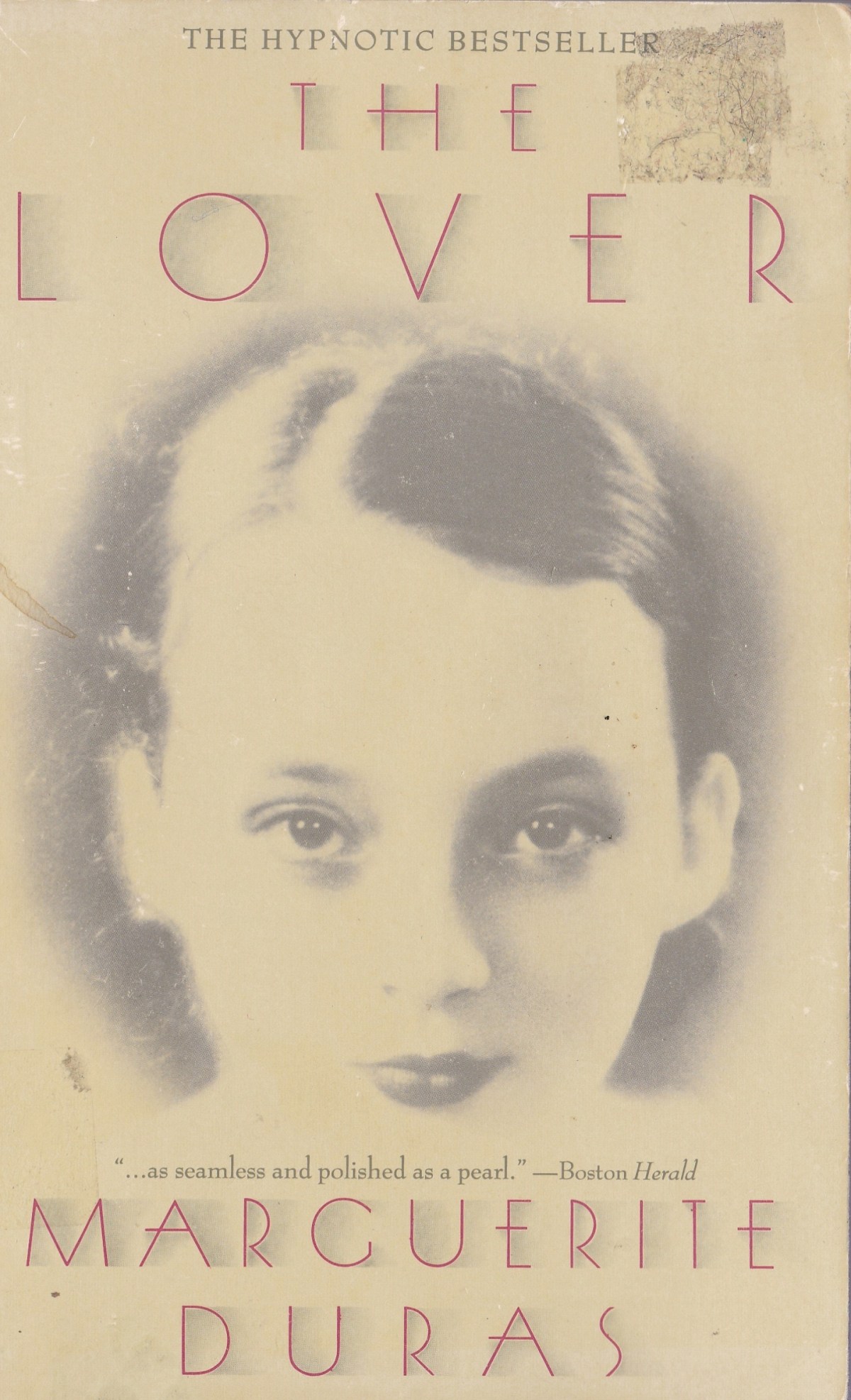
I’ve also been reading a lot.  My dear friend reminded me of the novella The Lover by Marguerite Duras.  A beautifully written work with the immediacy of poetry, I was glad to re-read it and hold it in my heart again.

Marguerite cover

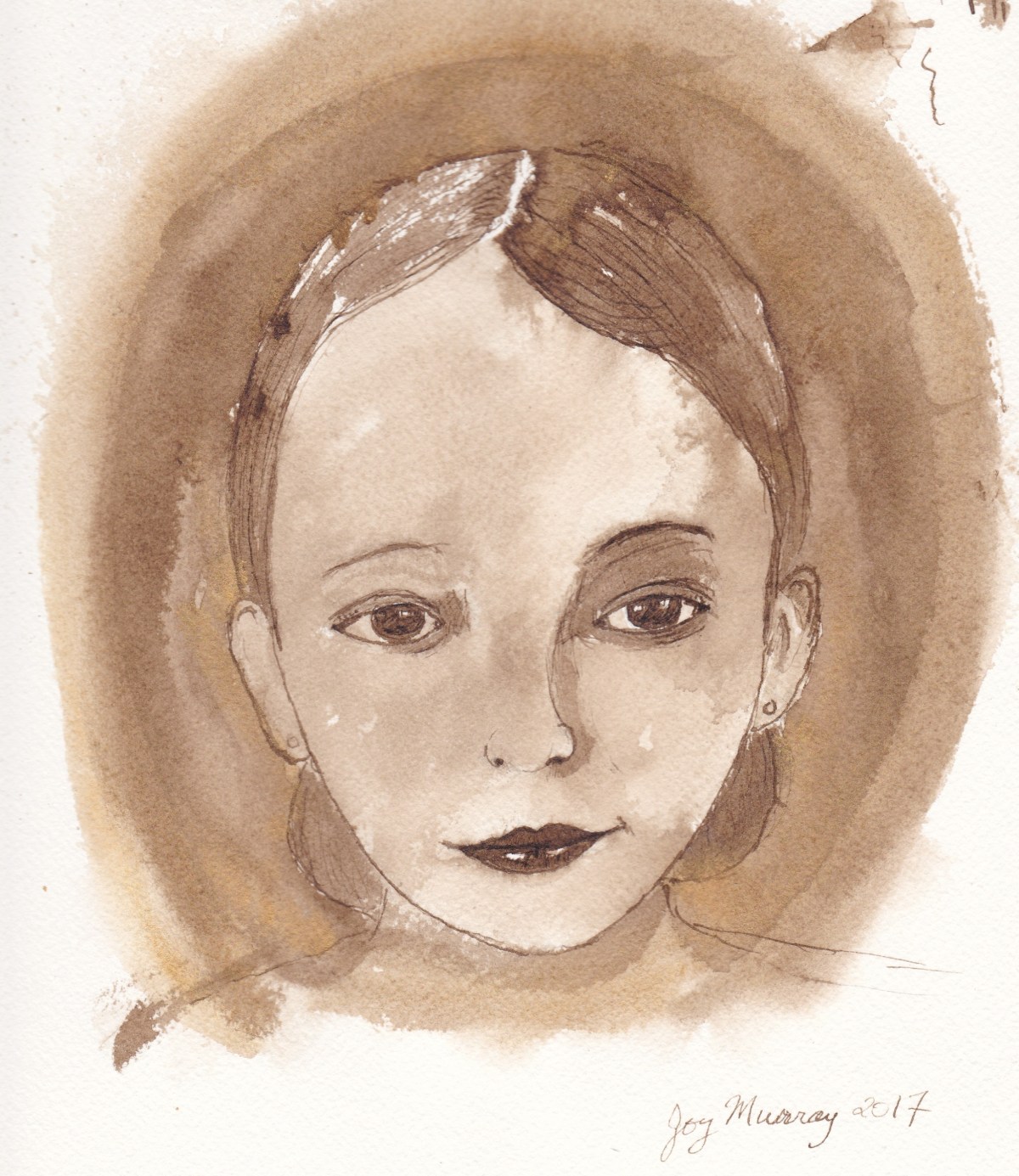
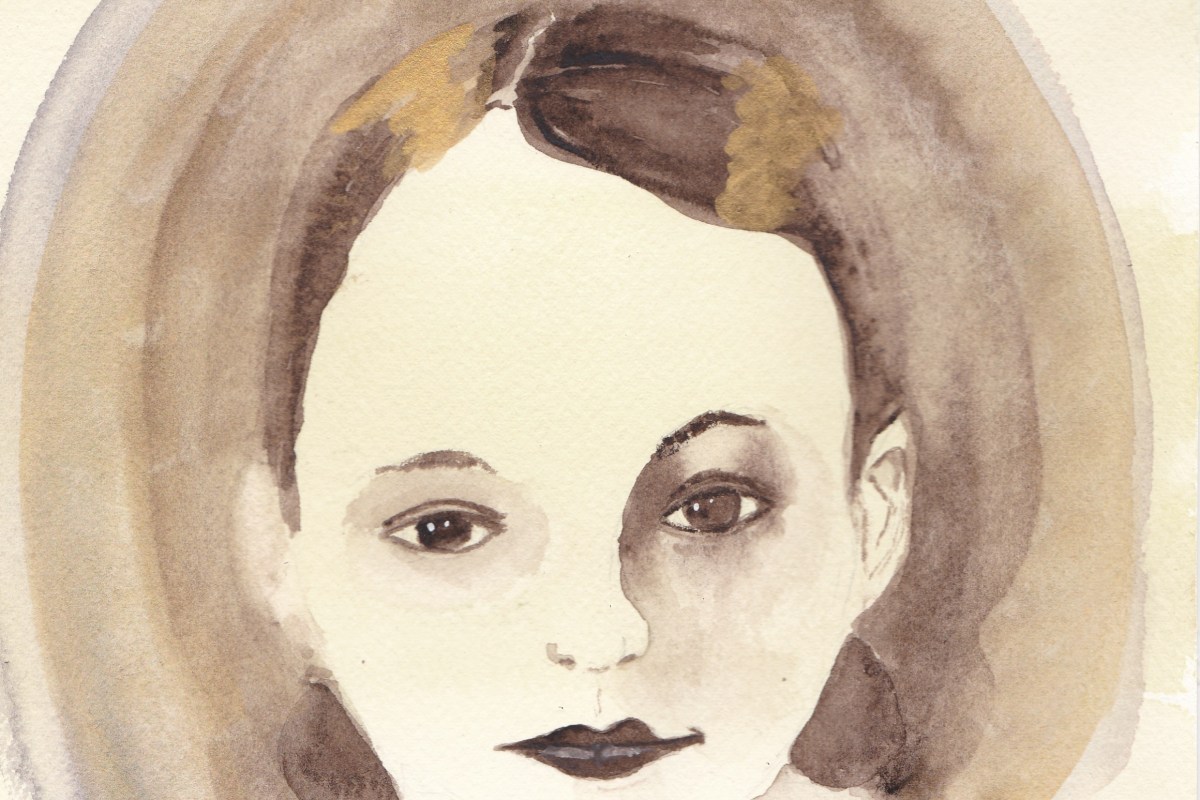
I was intrigued by the cover photo of Marguerite, which was taken when she was fifteen, I think.  I decided to try to paint her.  The first one, I drew in walnut ink, then used the ink for washes.  I wanted to the capture the sepia tones of the photo.

marguerite

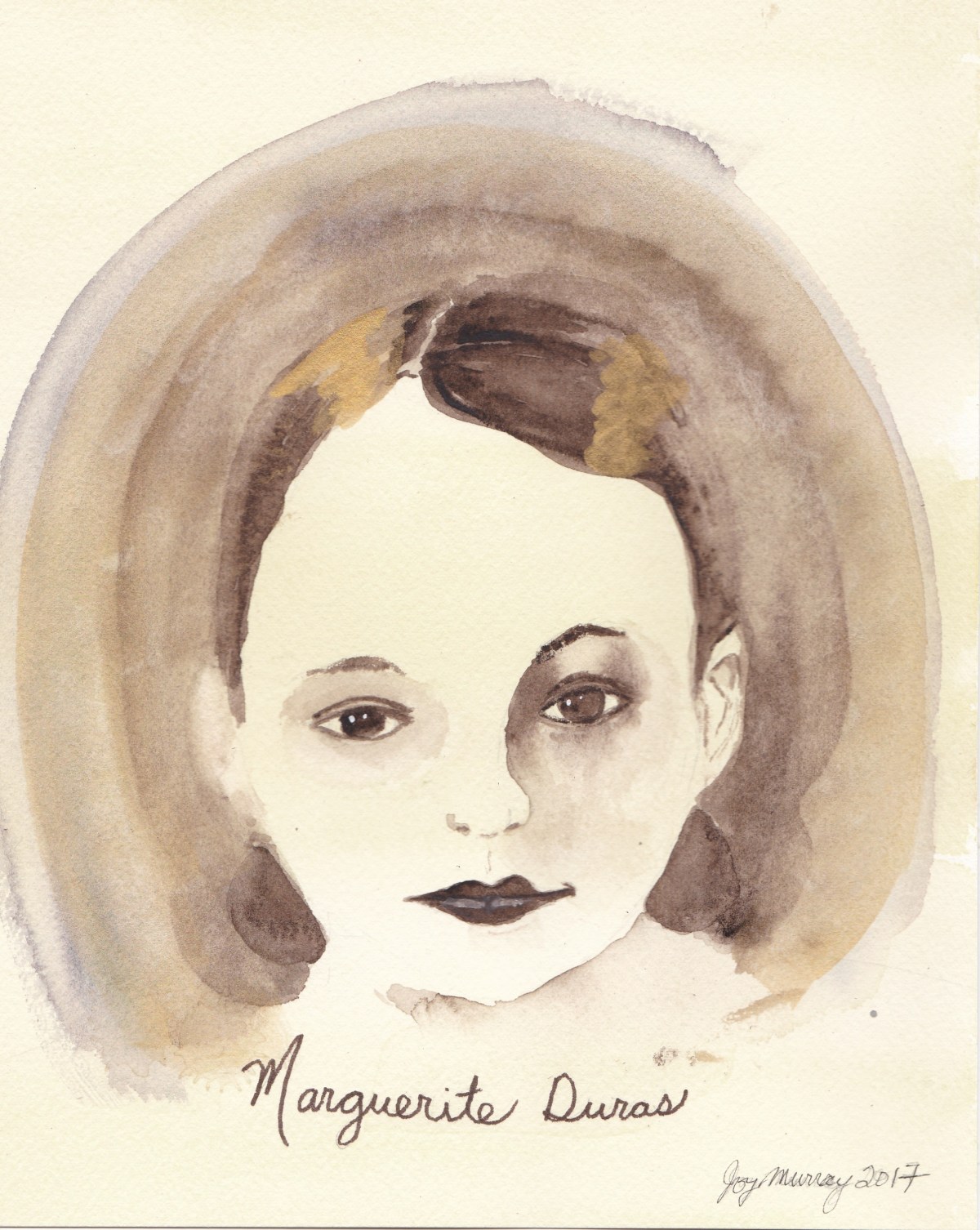
I decided to try another in watercolor.  I washed the paper with a very light sienna.  After it dried I used Daniel Smith sepia watercolor and gold gouache to try to capture her intriguing expression.marguerite 3


In the book, Duras writes,

“Between eighteen and twenty-five my face took off in a new direction.  I grew old at eighteen.  I don’t know if it’s the same for everyone, I’ve never asked.  But I believe I’ve heard of the way time can suddenly accelerate on people when they’re going through even the most youthful and highly esteemed stages of life.  My ageing was very sudden. I saw it spread over my features one by one, changing the relationship between them, making the eyes larger, the expression sadder, the mouth more final, leaving great creases in the forehead.  But instead of being dismayed I watched this process with the same sort of interest I might have taken in the reading of a book.”

A face is so much like the reading of a book.  I can only capture fragments from them, but I do so like reading the faces around me.   The curve of a line, the depth of a shadow can completely alter an expression or an identity.   I see so much clearer when I take the time to draw.

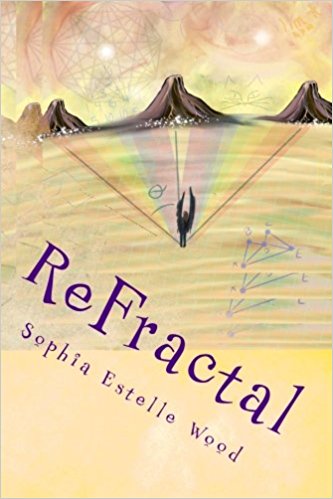
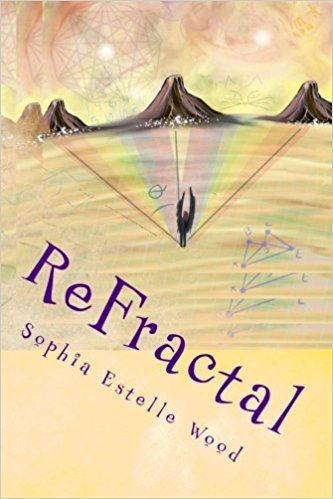
Refractal by Sophia Estelle Wood

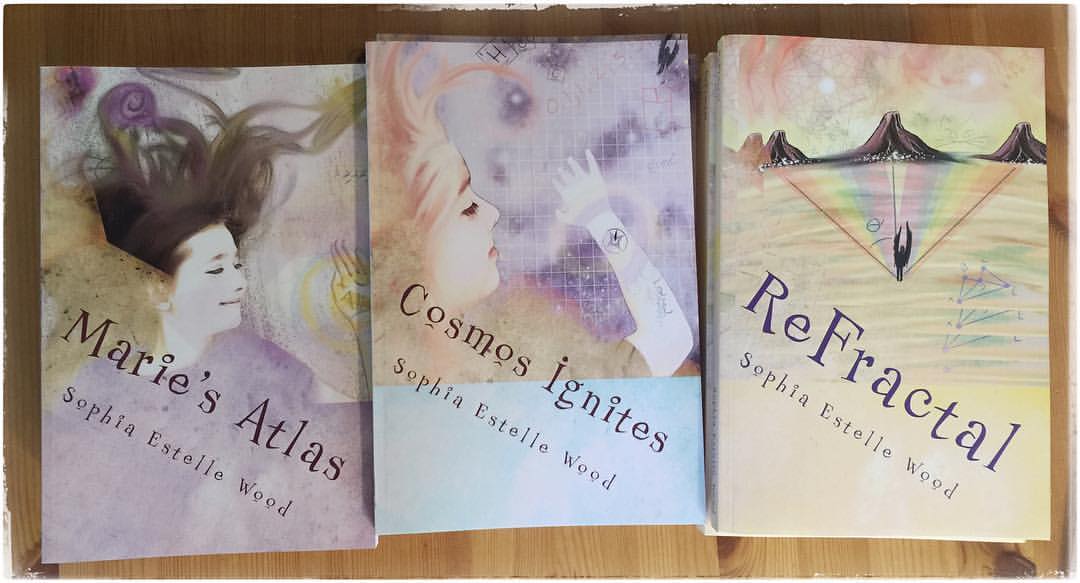
Reading Sophia Wood’s Marie’s Atlas series is like entering a complex and intriguing dream.  The third book in this series has just been released and it’s the most complex yet.

sophia wood refractal

It opens with a puzzle based on Sierpinski triangles, a fractal of equilateral triangles, a mathematically generated pattern that can be reproduced at any magnification or reduction.   As in the previous novels, this puzzle opens the door for Marie to join with her metaphysical companion Atlas.

“Atlas was her friend that existed within her hand and communicated through thought.  Atlas was found in one of her parents’ paleontology dig sites that came to Marie as a Fibonacci egg-shaped puzzle.  When she solved the puzzle, Atlas fused into Marie’s hand and they set out on an amazing adventure.”

The Sierpinski triangle puzzle, on a silver box, reveals an inscription:

Needed are the logically skilled

A quest must be fulfilled

Find the triangle’s relation to your past gates

Another adventure awaits 

How will the Sierpinski triangle relate to the Fibonacci Sequence?  This is just the beginning of a series of puzzles, time travel, and logic that Marie and Atlas must solve. All in a quest to find out why a civilization is in decline.

It’s a technical civilization that has descended into chaos and meaninglessness.

Use virtue, knowledge and skill

Help them or this planet will become still.

She is only given limited help and clues to challenging puzzles to figure out how the civilization is meant to work and why it’s gone wrong.

There are many parallels to Alice in Wonderland in Refractals.  Repeating patterns are found in the puzzles as well as in the causes for decline.  Civilizations tend to repeat their virtues as well as their mistakes.  But Marie and Atlas explore ways of bringing chaos to order, correcting the patterns that have set in motion the deterioration of good systems.

You’re plunged into puzzles from the opening and it’s a fast paced book.  The illustrations are engaging and are as much a part of the narrative as the prose.

It’s written for middle grade students, but I think it’s a good one for high school and even college level readers who are interested in mathematics, adventure, and fantasy.  It’s a great way to breathe life into math for a student who is struggling with the meaning of it all.  In my review of the previous books of this series, I called it “mathmagic.”

I could see this being a good book for a family to read together, discussing both the puzzles and the conflicts that Marie and Atlas face.

Here’s a link to Sophie Wood’s Amazon Author’s page:  https://www.amazon.com/Sophia-Estelle-Wood/e/B00RVZHKAA/ref=dp_byline_cont_pop_book_1

If you’d like to read my review of the first two books you can read it here.

Thanks for reading my blog and happy reading!

sophia wood books

Daily Draw on a break

I’d hoped to keep posting daily while I get ready for my art show and my move to Memphis from Portland, Oregon.  I have gotten caught in the whirlwind of the last minute, though, and am trying to finish up a few larger pieces of art.  My art show is on Saturday, and I’m moving on April 30th.  My posting will be a little more erratic for the next few months as I resettle.  I’ll be posting more of my finished art and also return to book reviews.

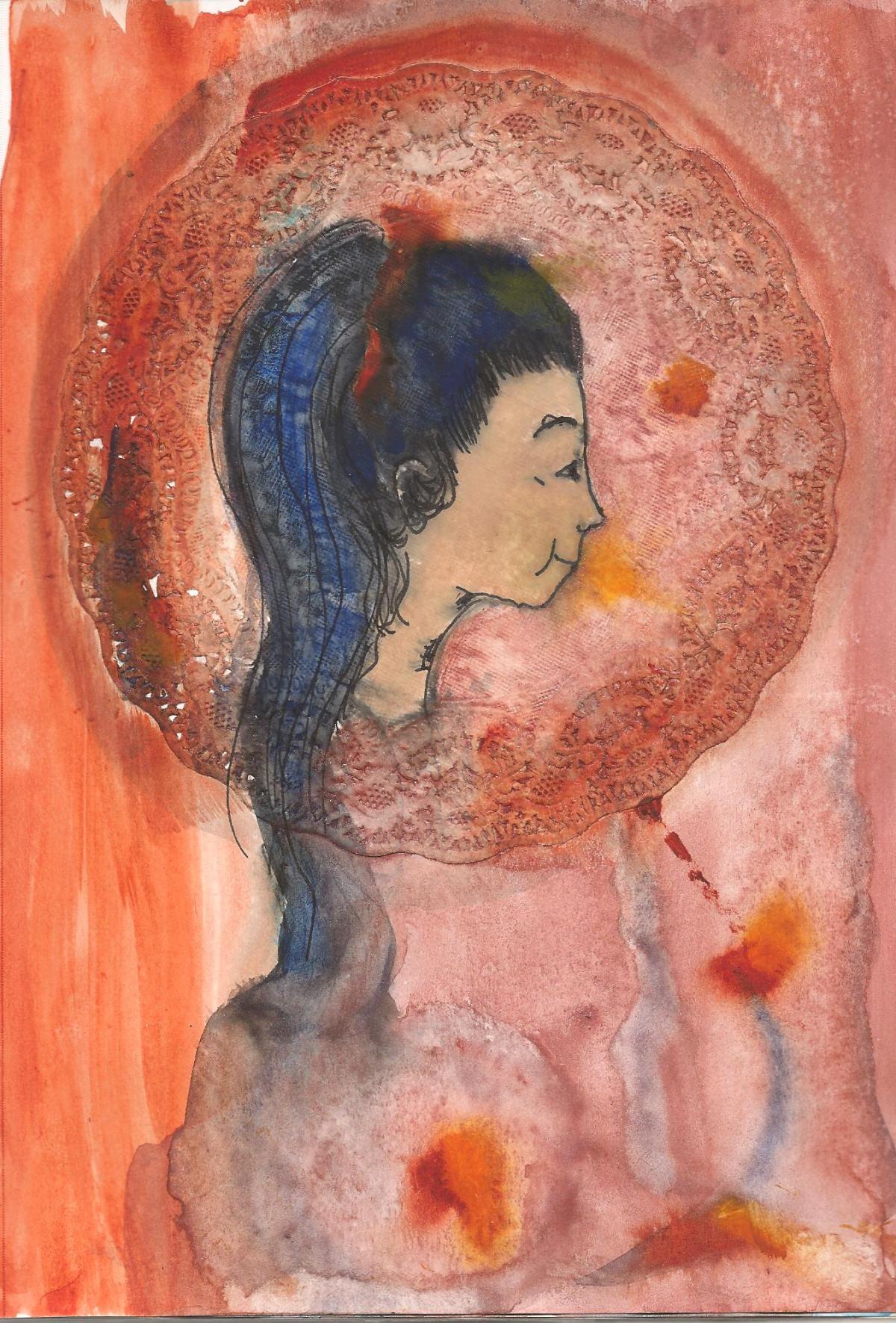
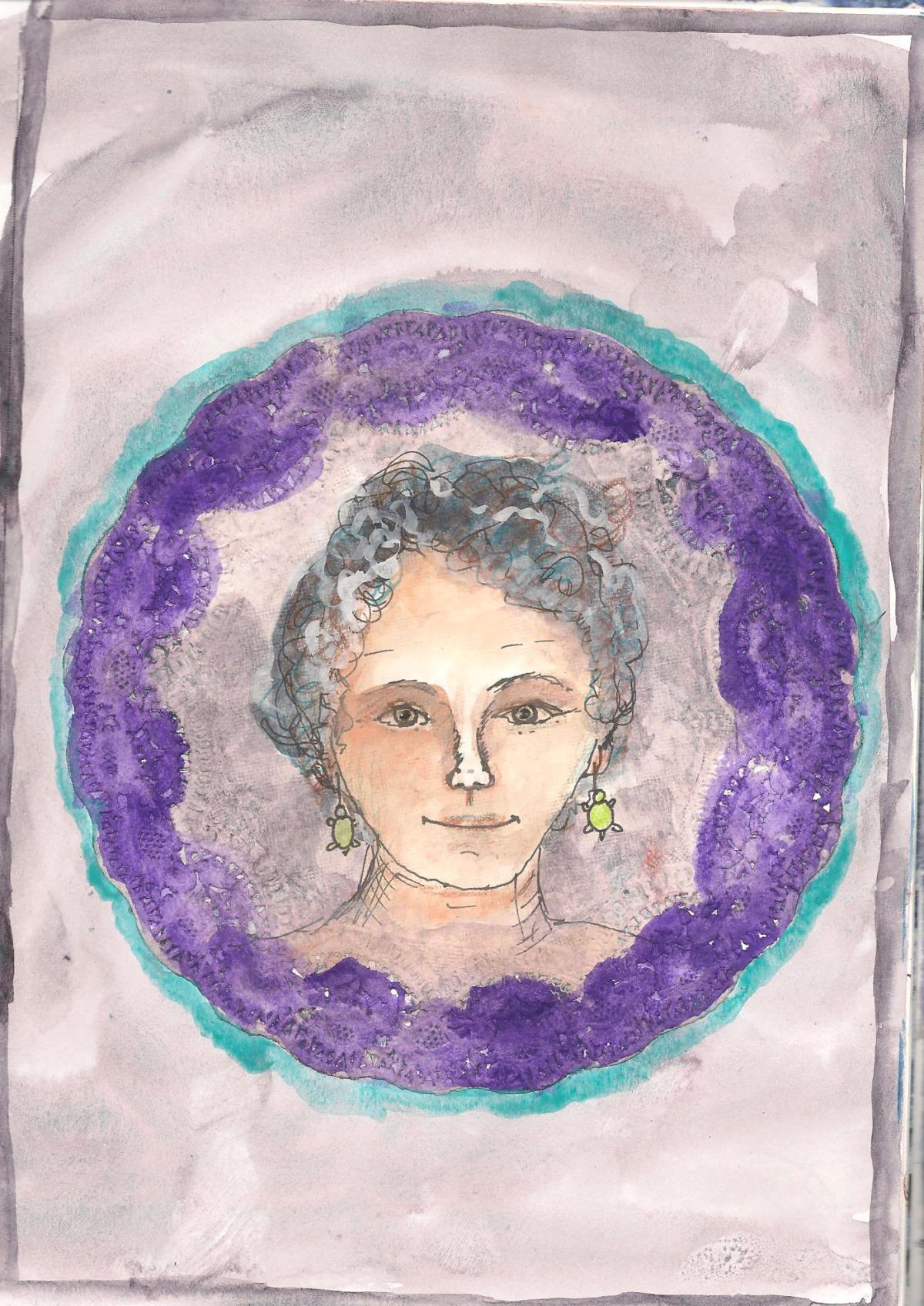
Meanwhile, here are few excerpts from my sketchbook from last year.  I had some paper doilies so I pasted them in the sketchbook and painted on top of them. They held the paint very well:

020

017

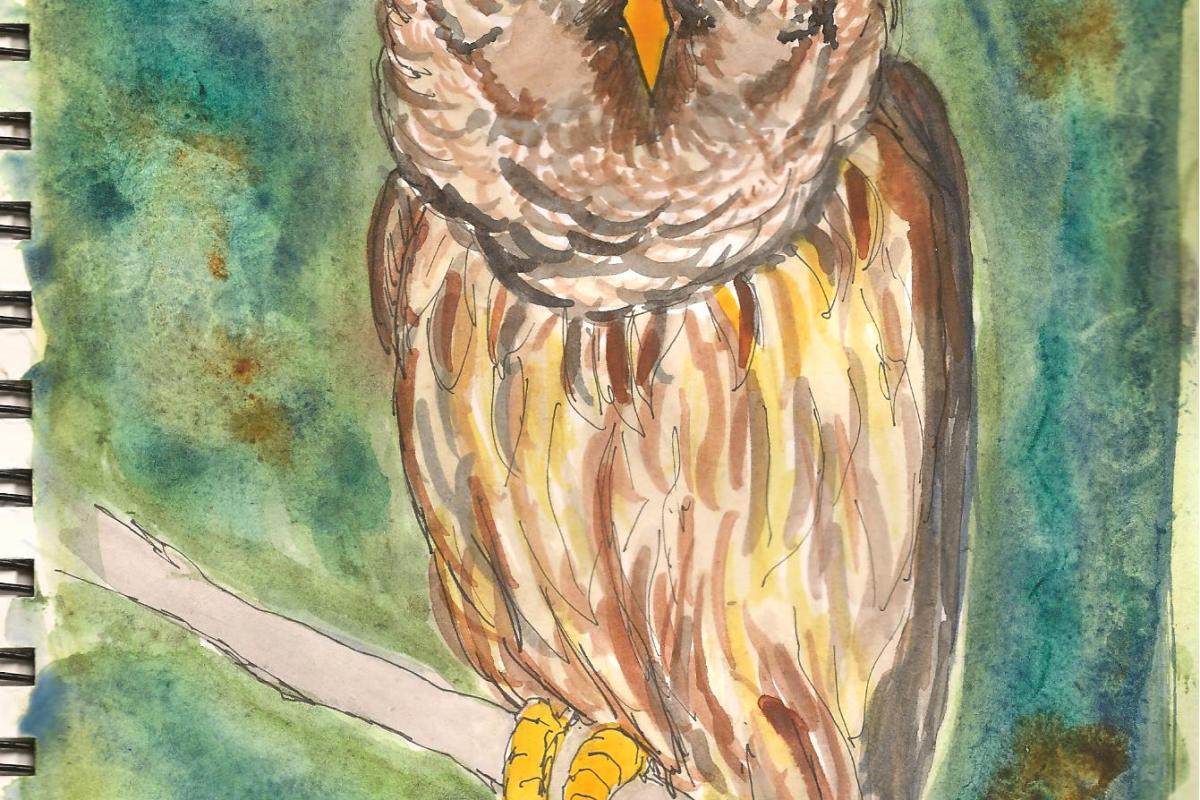
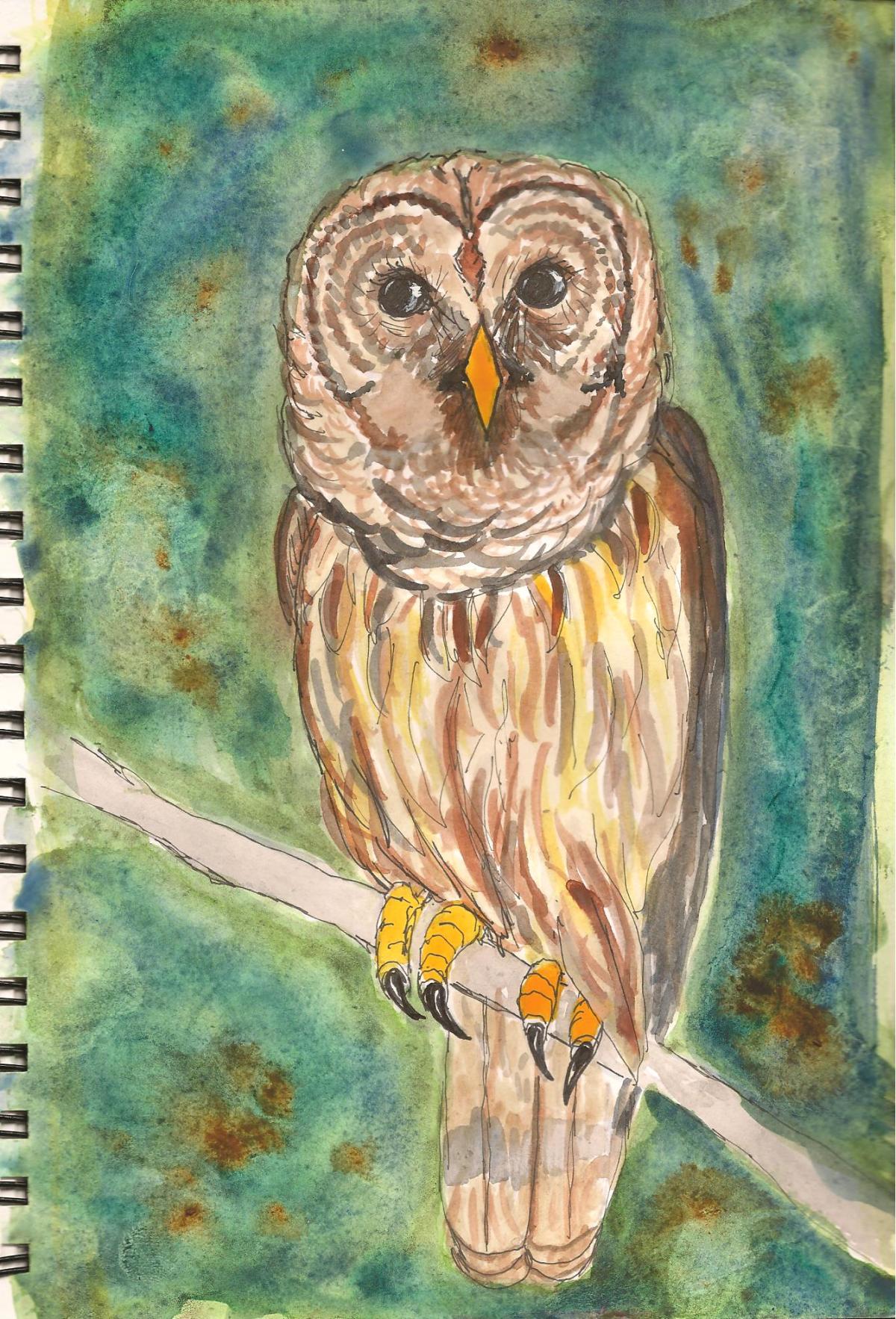
I got a Stillman and Birn Beta series sketchbook and painted this owl.  I liked the paper and it stood up to a lot of very wet watercolor:

028

Thanks for looking at my blog!