Wordstock Loot

I got to go to Wordstock: Portland’s Festival of the Book, 2015, this last week-end and had a blast.  It was held at the Portland Art Museum, and even though it was raining buckets, thousands of people attended.

I only attended one talk, though there were lots of authors there.  It was with illustrator Brian Floca who discussed how he illustrated Avi’s new book Old Wolf.  He was warm and wry and showed slides of how the book was written and illustrated.

As much as I would have liked to hear more of the authors, my time was limited and I really wanted to shop for books.  It was so encouraging to see so many small and independent presses showing their books.  The festival room was packed, too.  We inched forward through crowds to find delights at each table.  I thought I was aware of most of the publishers in the Northwest, but I wasn’t.  I hope to be sharing books from those newly discovered publishers over the next few months.

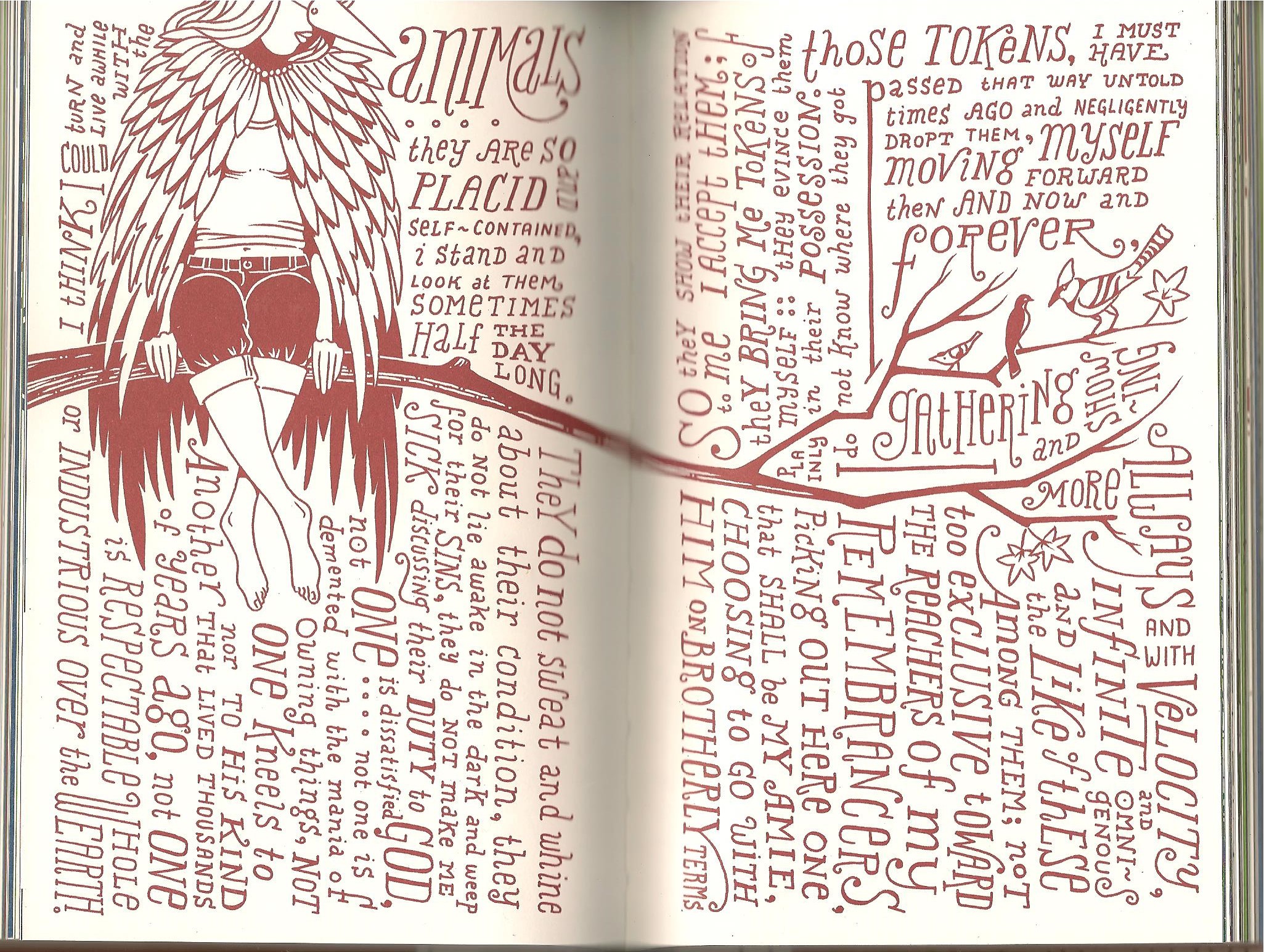
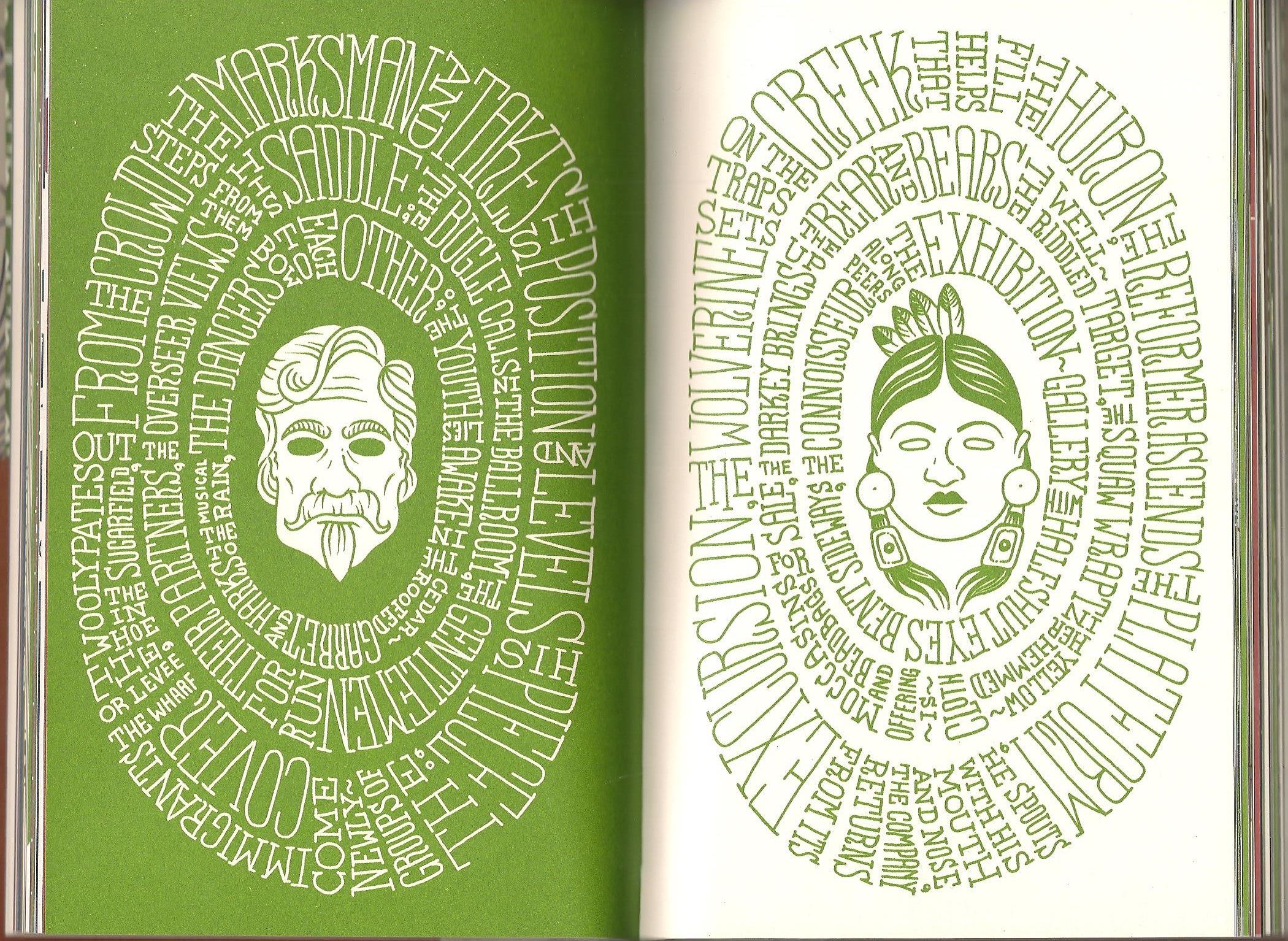
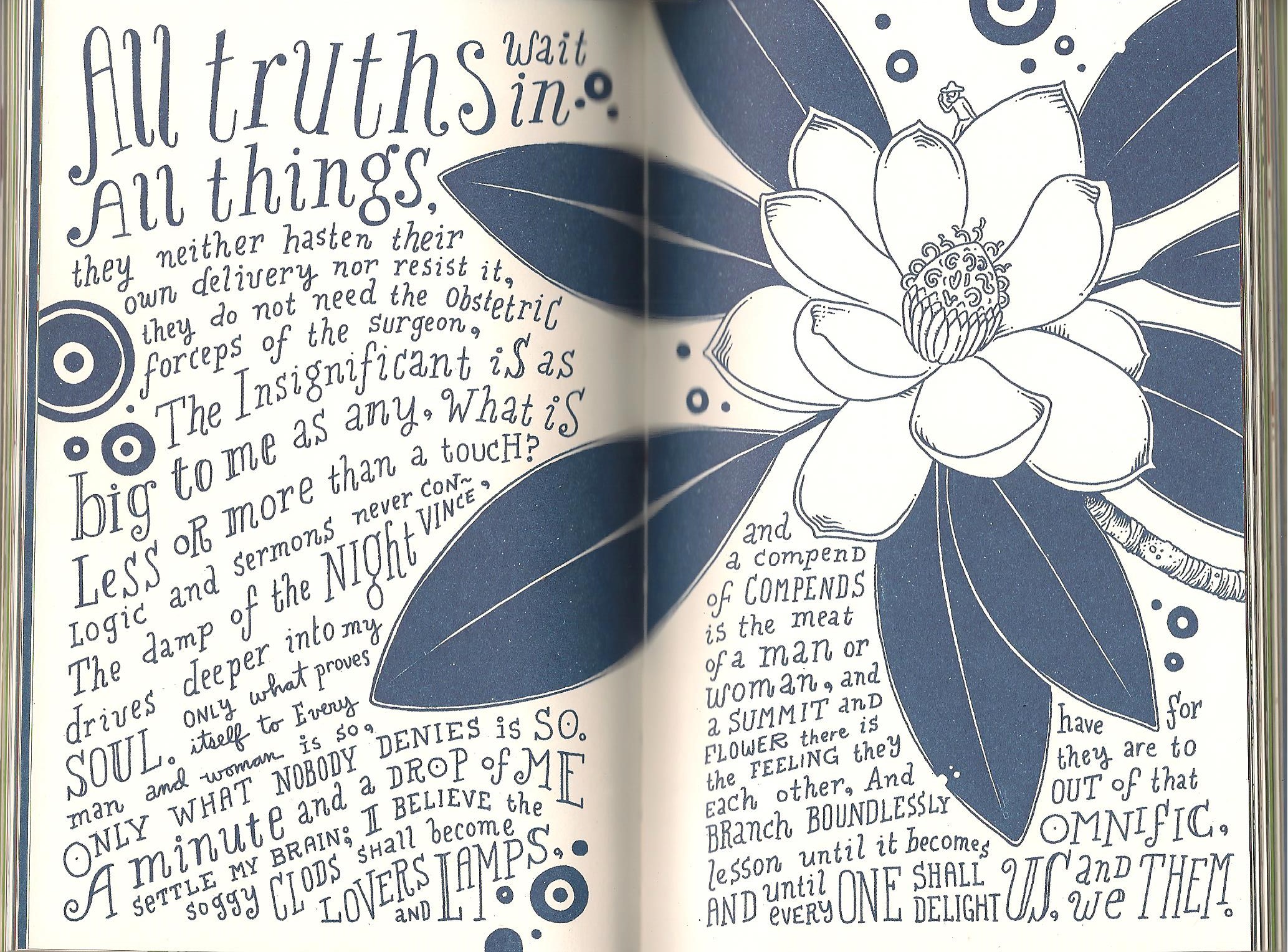
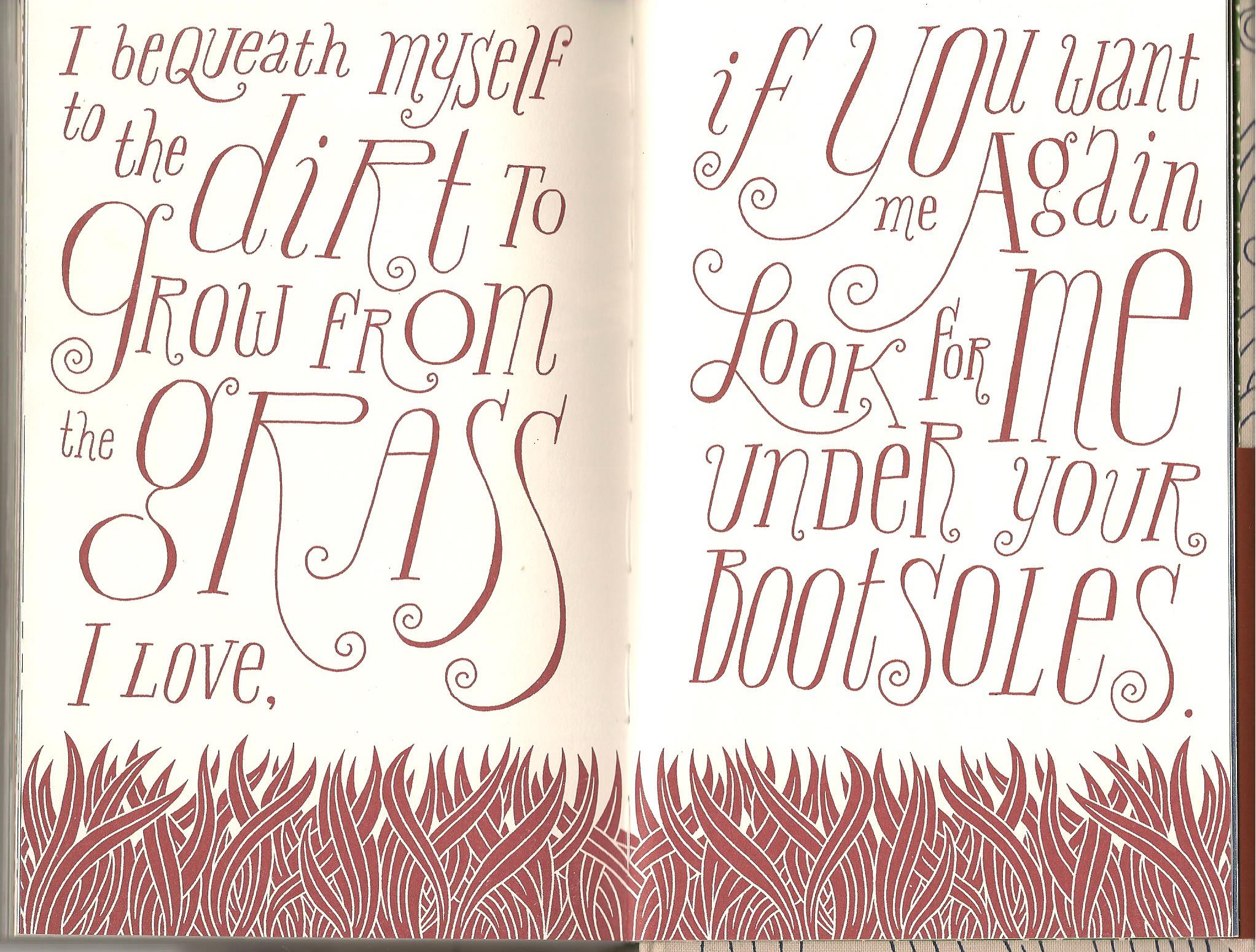
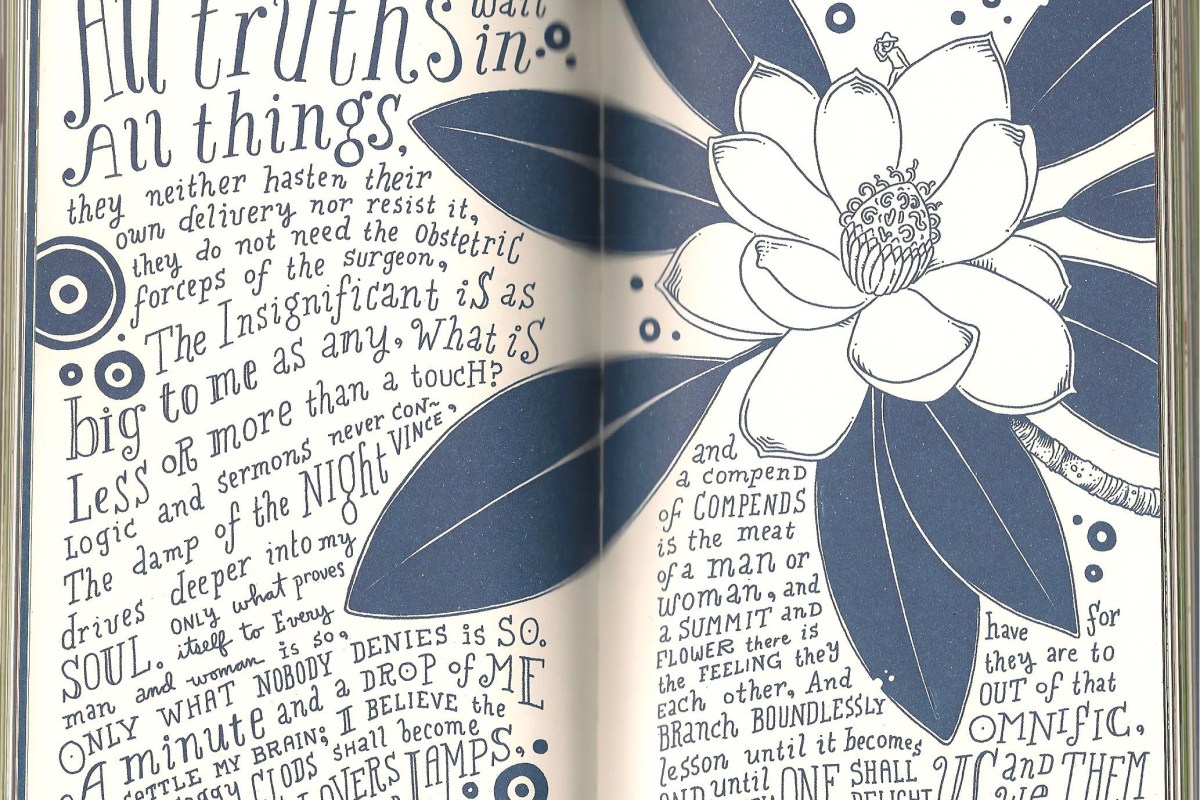
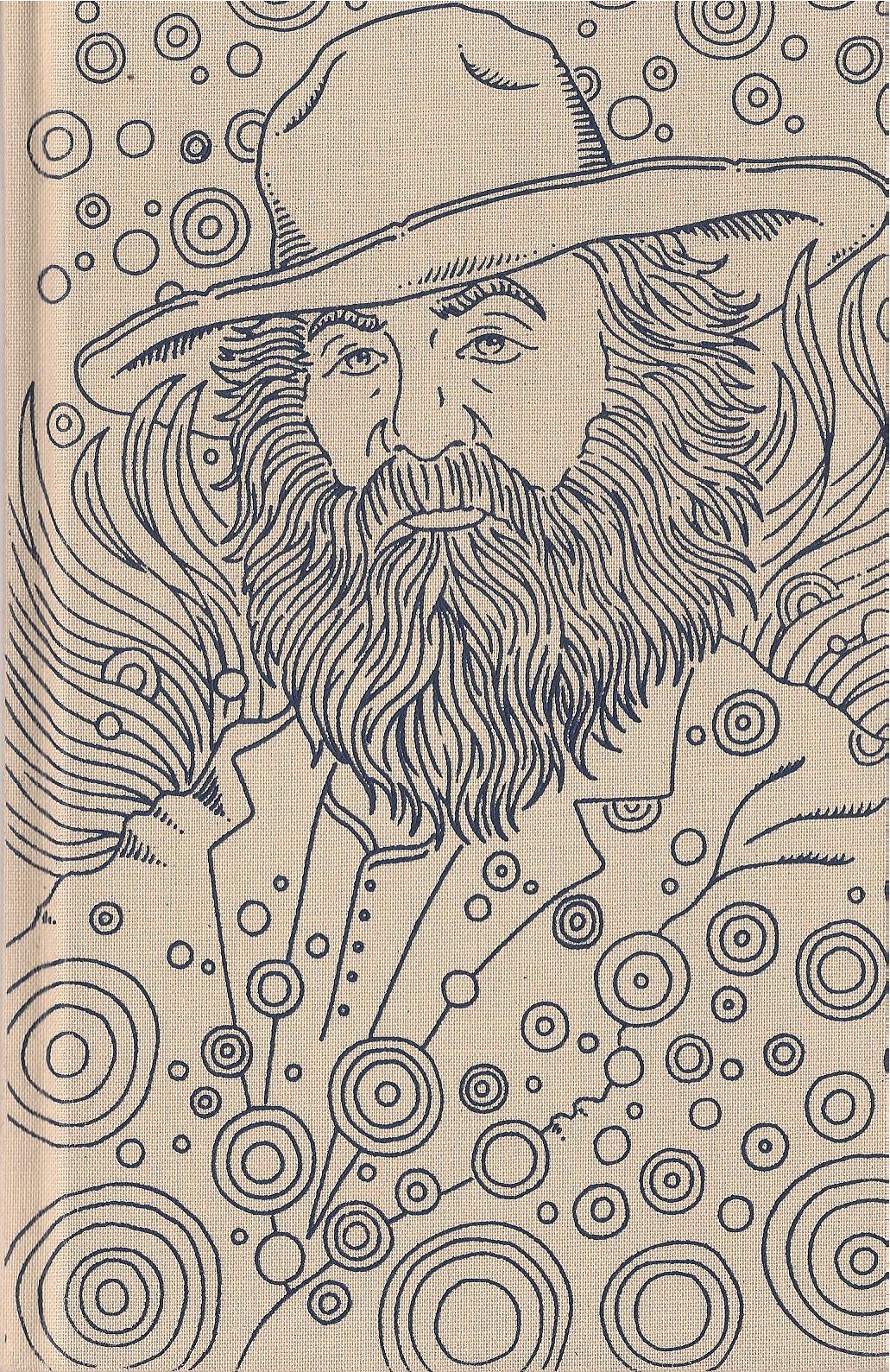
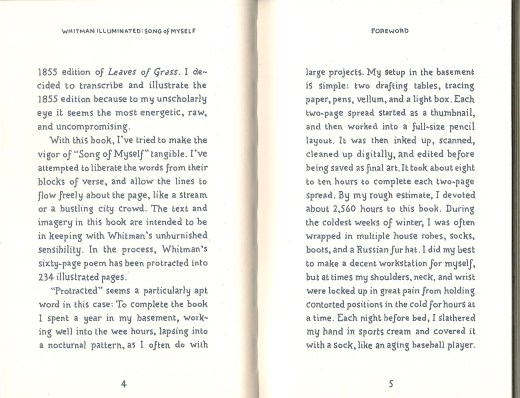
I’d been wanting Whitman Illuminated: Song of Myself, illustrated by Allen Crawford, since last year when Portland-based publisher Tin House released it.  An exuberant presentation of Walt Whitman’s exuberant poem, it’s a gorgeous book.  Crawford has a unique and playful style.  His website shows not only the illustrations of this book, but some of his other art and endeavors.
cover
Beautifully designed cover
004crawford
Crawford’s process
002crawford
The text goes in every direction animating the book

003crawford

crawford1

001

The other two book I bought were actually McSweeney’s Quarterly Concern, a magazine/book hybrid that defies description.  On their website, they say:

McSweeney’s began in 1998 as a literary journal that published only works rejected by other magazines. That rule was soon abandoned, and since then McSweeney’s has attracted work from some of the finest writers in the country, including Denis Johnson, Jonathan Franzen, William T. Vollmann, Rick Moody, Joyce Carol Oates, Heidi Julavits, Jonathan Lethem, Michael Chabon, Ben Marcus, Susan Straight, Roddy Doyle, T.C. Boyle, Steven Millhauser, Gabe Hudson, Robert Coover, Ann Beattie, and many others. At the same time, the journal continues to be a major home for new and unpublished writers; we’re committed to publishing exciting fiction regardless of pedigree.

Each issue of the quarterly is completely redesigned. There have been hardcovers and paperbacks, an issue with two spines, an issue with a magnetic binding, an issue that looked like a bundle of junk mail, and an issue that looked like a sweaty human head. McSweeney’s has won multiple literary awards, including two National Magazine Awards for fiction, and has had numerous stories appear in The Best American Magazine Writing, the O. Henry Awards anthologies, and The Best American Short Stories. Design awards given to the quarterly include the AIGA 50 Books Award, the AIGA 365 Illustration Award, and the Print Design Regional Award.

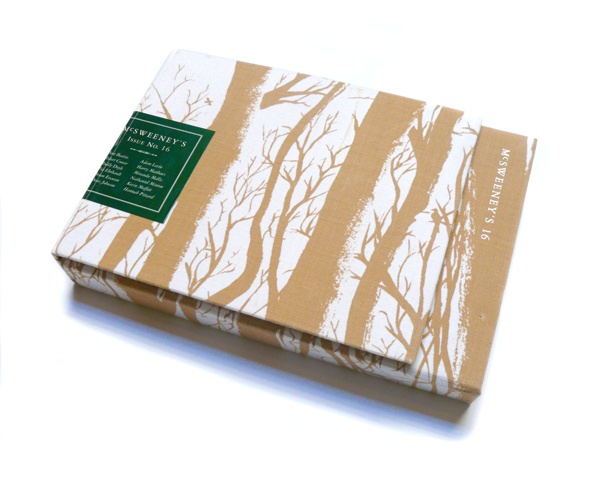
I was able to get one of their classic McSweeney’s Issue No. 16 (2005) (I got the pictures from their website)
mcs16_tbt
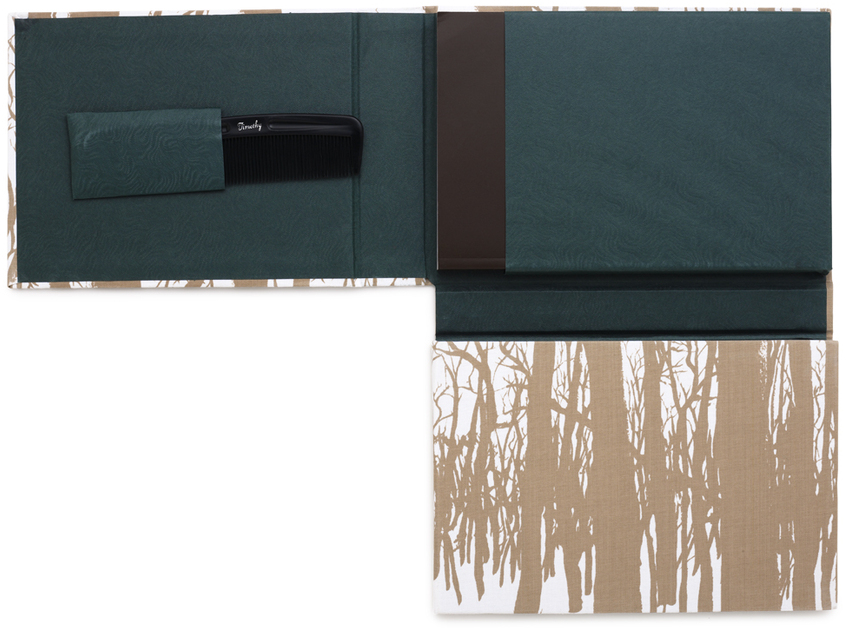
Beautifully bound little package
6f1f76df-2e0c-46ea-a9f1-713ccb66be9d_fileupload
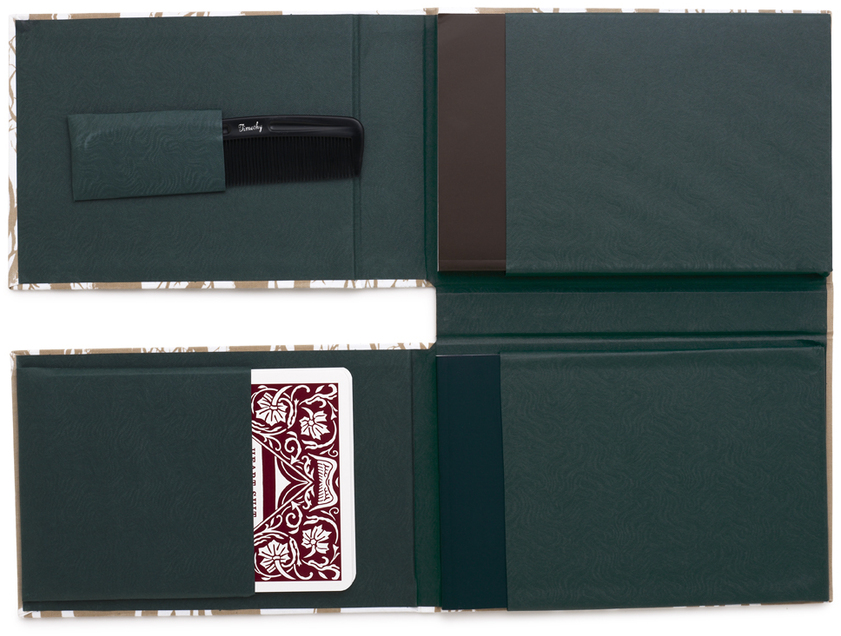
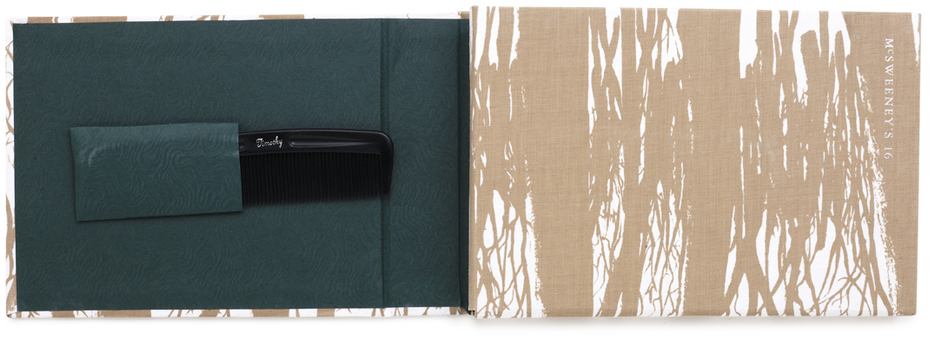
A comb named Timothy?

6f1f76df-2e0c-46ea-a9f1-713ccb66be9d_fileupload2

6f1f76df-2e0c-46ea-a9f1-713ccb66be9d_fileupload3
A novella by Ann Beattie, a story collection, a story printed on a large deck of cards, and that comb

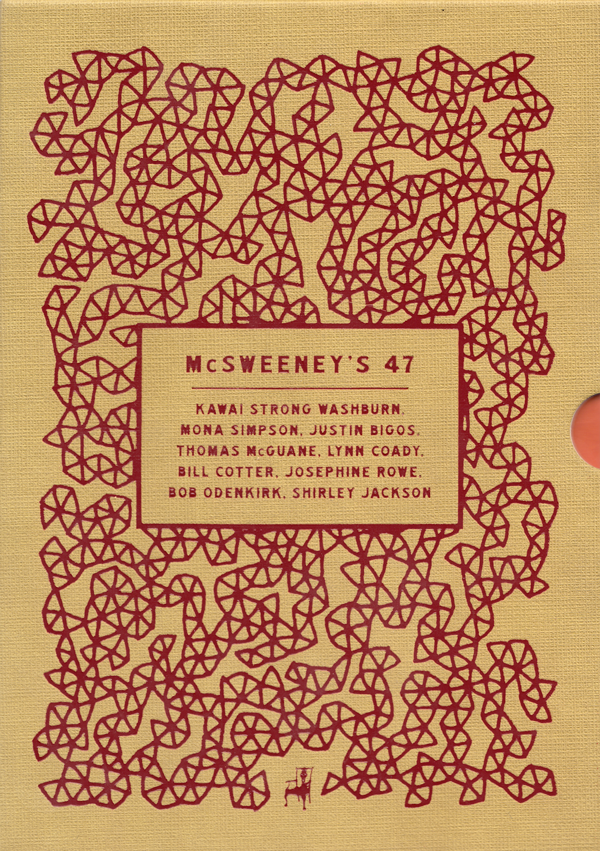
and a more recent Issue 47 (2014):
47_2_(1)
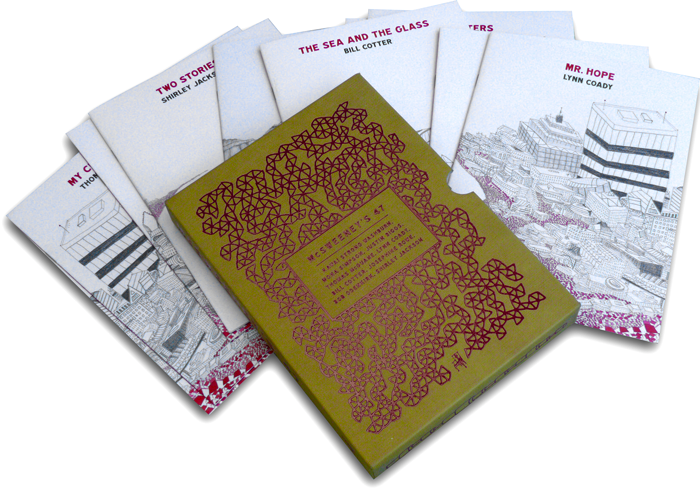
a lovely case announcing  intriguing authors
And each story is published in its own chapbook.
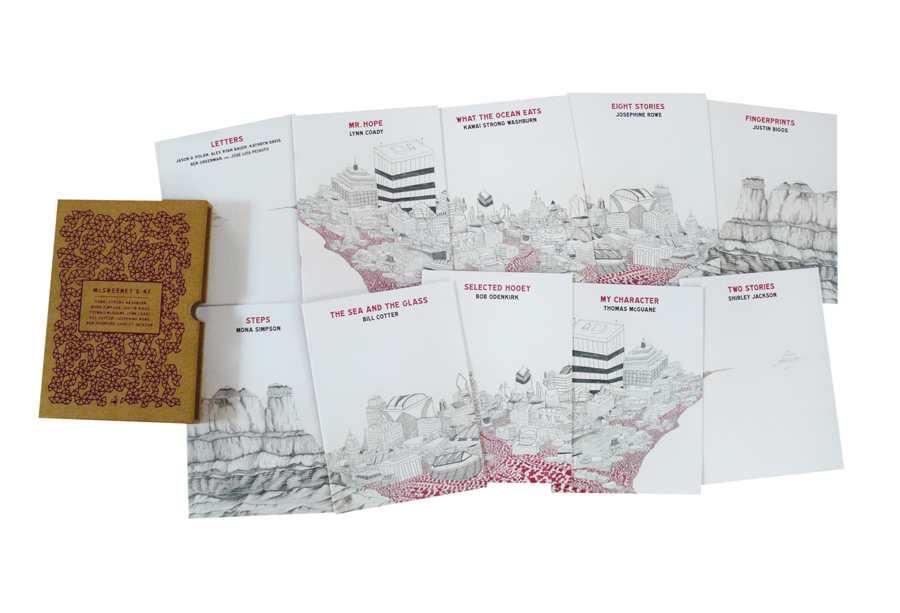
But wait -- layout all the chapbooks together and you get a floating cityscape that mirrors itself
But wait — layout all the chapbooks together and you get a floating cityscape that mirrors itself!

McSweeney’s is an innovative publisher and I’m so glad they’ve stayed in business.  They recently became a nonprofit, so hopefully they’ll be around for many more decades.  In addition to the Quarterly, they’re publishing fiction, art, comics, nonfiction and children’s books

So in my purchases, I went for quality over quantity.  I also made a very long list of books to acquire in the future.  So stay tuned.  I’ll be sharing my best finds.

You can never have too many stories.
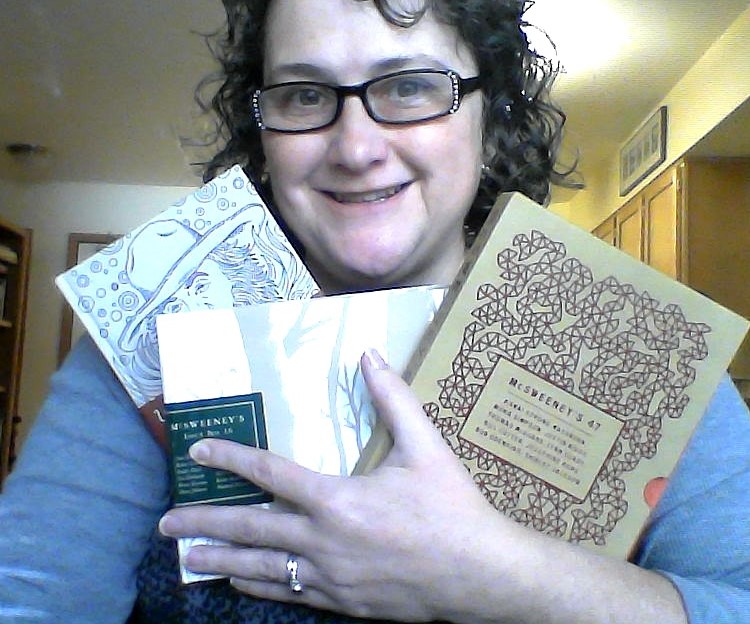
WIN_20151111_105723

Marko Kitti’s Jasper Jinx Series

There are many reasons for self-publishing.  A lot of publishing is based on trends, sales and publicity.  I love many traditionally published works, but I’ve always been drawn to the unique, quirky and original.  I’ve found that in the small presses and in self-publishing endeavors.

One recent find was the work of Marko Kitti, a Finnish writer who now resides in England.  He’d published four books in Finnish, but decided to write one in English after someone challenged him and said that his English wasn’t good enough.

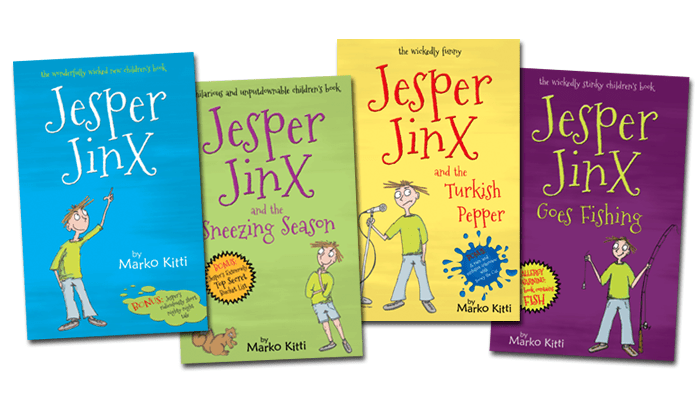
The result is Jesper Jinx, a middle grade chapter books series.  Jesper is the most unlucky boy in all of Puffington Hill.  He’s constantly having his tricks backfire on him.  And he doesn’t quite know how to stop himself from trying more.

Kitti decided to self-publish, not sure his quirky work would find an audience.  But he’s found enough of one that he’s now got 4 books in the series, and they are translated into many different languages.

4books

There’s a lot of playfulness in Kitti’s work, including the voice he’s chosen to tell the stories.  Jesper, a real boy he says, approached him, The Scribbler, a bored writer who hasn’t found anything to write about in the quiet of Puffington Hill.  Jesper says:

“You must promise not to tell anyone.  If my mum and dad find out, they will have me grounded for the rest of my life….You will write a book about my amazing true stories, but you will never get my permission to publish it.  Got it?”

We are sworn to secrecy about reading these stories.   The Scribbler writes what Jesper says, but then cats, squirrels, and other characters get their say-so, adding details and humor to the stories.

This has proven to be a good book for a certain 10 year old reluctant reader I know.  We’re reading it together on my Ipad Kindle.  The idea of reading is much more palatable to him on screen than on paper, since he’s always behind in his homework and he associates books with work.  With this series, he’s reading ahead on his own.

The different voices in the stories have given us a way of talking about how stories are told.  We also get to discuss the difference between American and British English.  Then we get to talk about different cultures.  My young friend is enchanted by the idea that a boy who has a lot of “failures” can also be the subject of a book, and find a sense of pride even when he gets many things wrong.

We’ve read Jesper Jinx and Jesper Jinx and The Sneezing Season and are looking forward to the rest of the series.

If you’d like to learn more about the Jesper Jinx series, here’s the website for the books.

http://www.jesperjinx.co.uk/

Marko Kitti also has a blog you can read here.

https://markokitti.wordpress.com/blog/

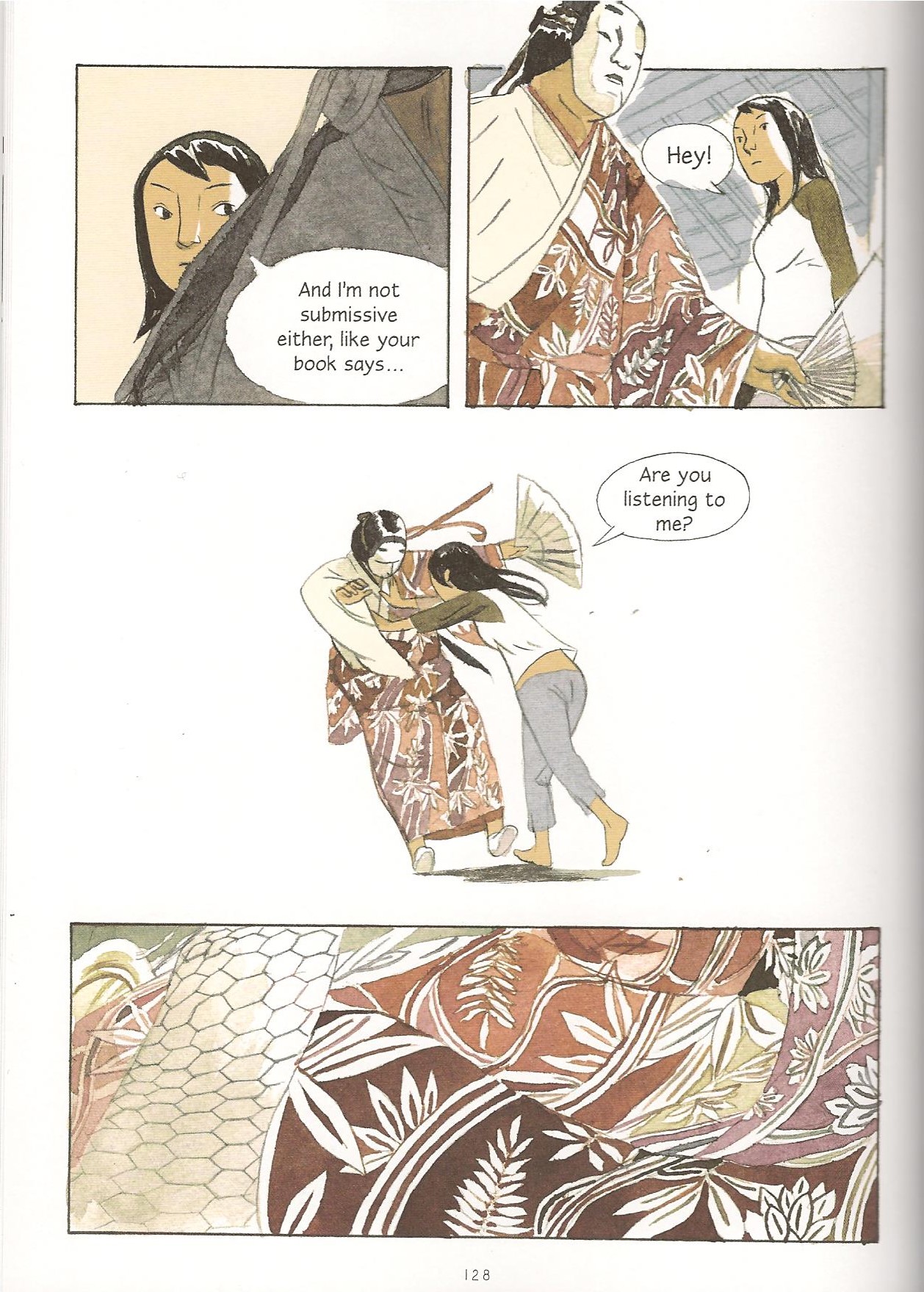
Exquisite Haunting: Just So Happens by Fumio Obata

001 We’re all haunted by our past – for better or worse.  Not just our own past, but the past of our parents and ancestors.  In our fast moving culture, we’re haunted by the traditions we shed as we try to fit into modern life.

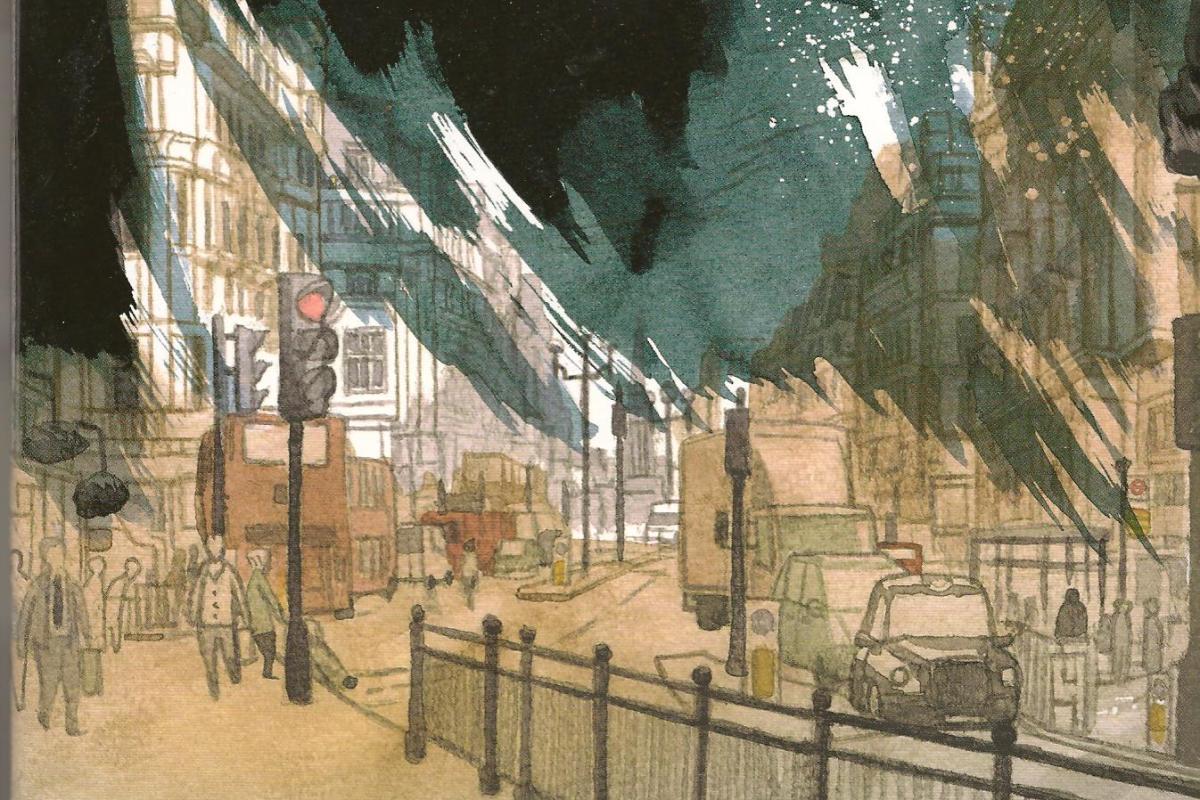
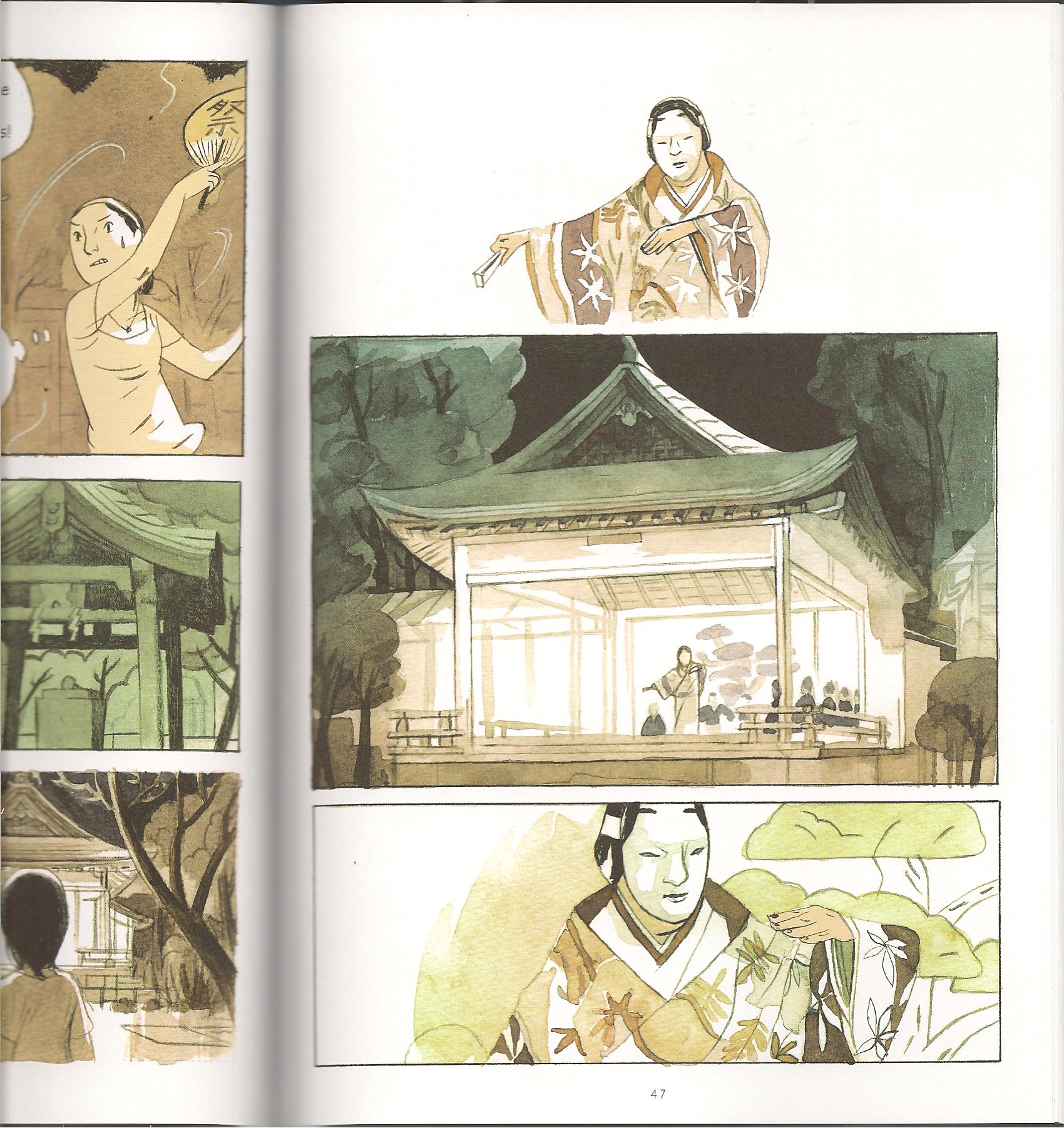
In the graphic novel, Just So Happens by Fumio Obata, a young Japanese woman who has settled in London, is doing her best not to look back, to develop her own world and personality.  But an exquisite ghost is dancing through her life, a masked Noh performer, forcing her to reconnect with her past.

006007

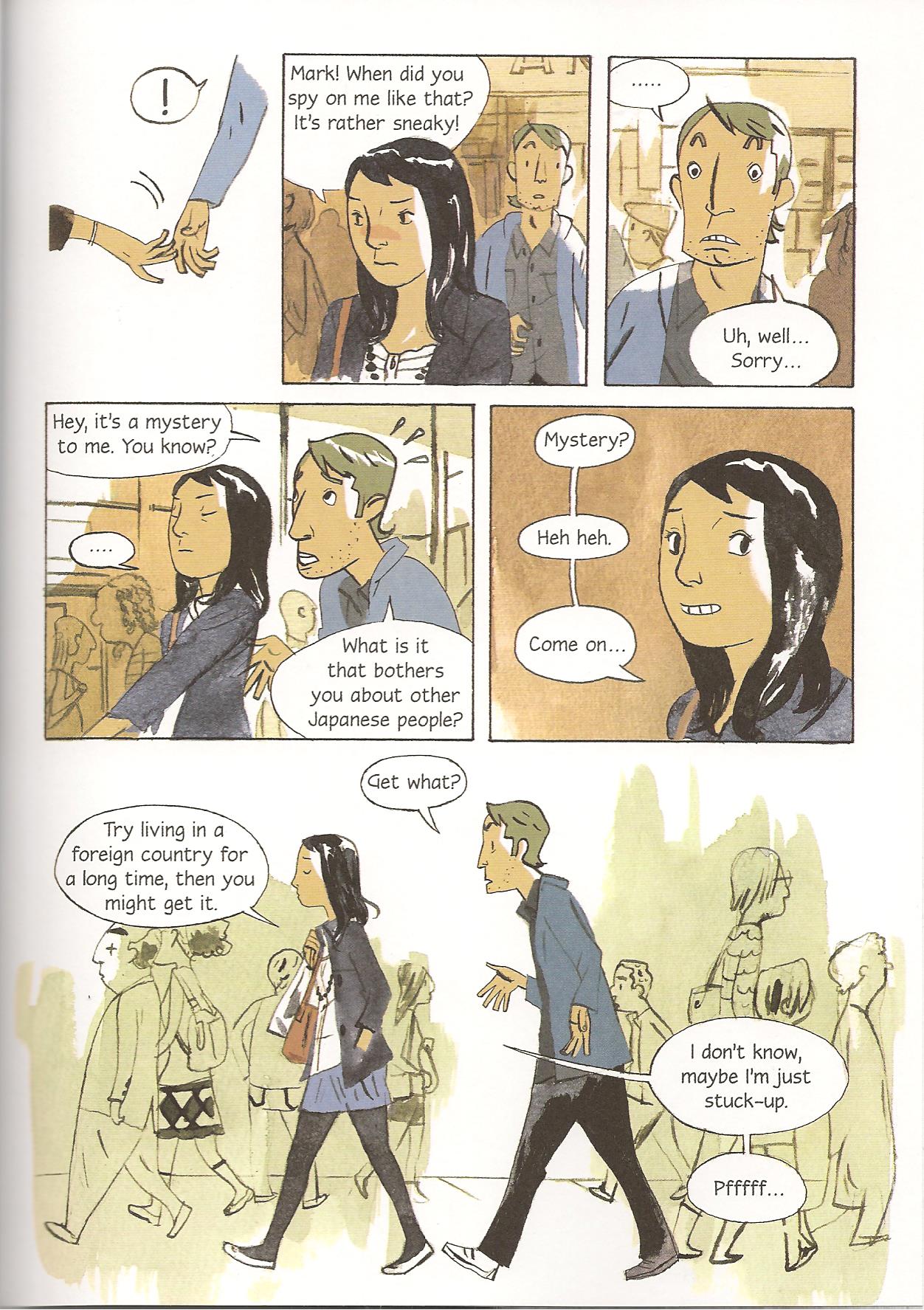
In London, Yumiko has a good job and a good fiancé.  Then she receives news that her father has died and she has to go back to Japan.

008

Plunged into the rituals of death and the structure of Japanese life, she finds herself oddly removed and unemotional about her father’s death.  She’s sarcastic and annoyed by the commercialization of the funeral rituals.

010009

Her ghost leans in on her, pushing against Yumiko’s façade.  And she pushes back.  In the tussle, she finds new strength, a way to grieve, and a way to bring the spirits of her past into her life without losing her hard won identity.

011
The scenes are beautiful and Obato’s use of space really pulls you into the story,

012

I’ve read this book twice, marveling at the lovely illustrations, and the intimate storytelling.  In its subtly, it makes a forceful statement about how identity is constantly shifting around our own image of ourselves, the expectations we’re trying to live up to, and the demands of our heritage.  We shift between the dream world, the real world, and what we perceive as our history.

014

The metaphor of the Noh dancer speaks on many levels, and though she’s a symbol of a particular aspect of Japanese society, she speaks to all of us as we perform our own dance of balance.

002

Fumio Obata was born in Tokyo and moved to England in 1991.  He studied illustration at the Glasgow school of art and the Royal College of Art in London.  He’s worked in animation, comic books and illustration.  He has a great website that showcases his full range of intriguing artwork, and a blog, which I just discovered and started following.  It includes his personal and informative coverage of the triple disaster that struck Japan in 2011: Quake News From Elsewhere:  Life After the Tsunami.”

Just So Happens is beautifully bound by Abrams Comicarts.  A good comfortable book to hold and read, the muted colors of the illustration give it an autumnal feeling.  I found the rich visual storytelling most illuminating in pondering mortality during this season when I watch leaves fall, celebrate Halloween and the Day of the Dead, and remember my lost loved ones.

003
Front of book under the cover
004
Back of book

“An old relative told us at the end of it…’You see how ephemeral life can be? So make the most of it while you can…’  I knew someone was going to say that to us.  People always try to finish it off with a cliché like that.  To give you a reason for the things you do.  And we are changing all the time. So are our ambitions, desires and purposes…The important thing is to find something that never changes in you.”  — Fumio Obata

I found a bit of that something in this book.  I hope you do, too.

005

artist meets author

From Sue Clancy’s blog, a great author interview:

sue clancy's avatarsue clancy - artist

As promised in my previous blog (http://sueclancy.com/2015/10/13/with-dog-as-my-co-pilot/) here is the not-too-long awaited interview with Lorna Lee!

I met Lorna as part of a fundraiser for the Ridgefield Community Library. Lorna taught a 5 week writing class for the library and since I’m a big fan of libraries and always on the prowl for stories to illustrate I took the class. Yes, I have high hopes of having stories of my own to illustrate someday. Plus it raised money for a library! Viva Libraries! Yippee authors, artists and fun times with words and pictures! Hip, hip, hooray! But enough of context – let’s get to the interview.

PenBoat72

Sue Clancy (artist): What book would you like to shamelessly promote here – along with a flattering sketch of you that I’d draw and post along with this question? (Any photos I could use as a reference for my sketches?)

Lorna Lee…

View original post 1,358 more words