Pablo Neruda The Dreamer

July 12th is the birthday of Pablo Neruda, a poet I’ve loved as long as I can remember.  I don’t remember how I came to find his poetry.  Maybe it was from my 8th grade Spanish teacher.  Maybe it was from browsing the library’s poetry section. Back in the 1970s, they had a bi-lingual anthology of Neruda’s work that I checked out over and over again.  I think I made a few pencil marks in the book, faint reminders to my future self, and to any other library patron, that I was moved by an image. 
Now, each year, on his birthday, I try to buy a book of poetry.  Because I have a limited budget, I often use the library or buy used books.  But I want to support the writers somehow.  I especially want to support poetry because it’s such an under-appreciated art form.
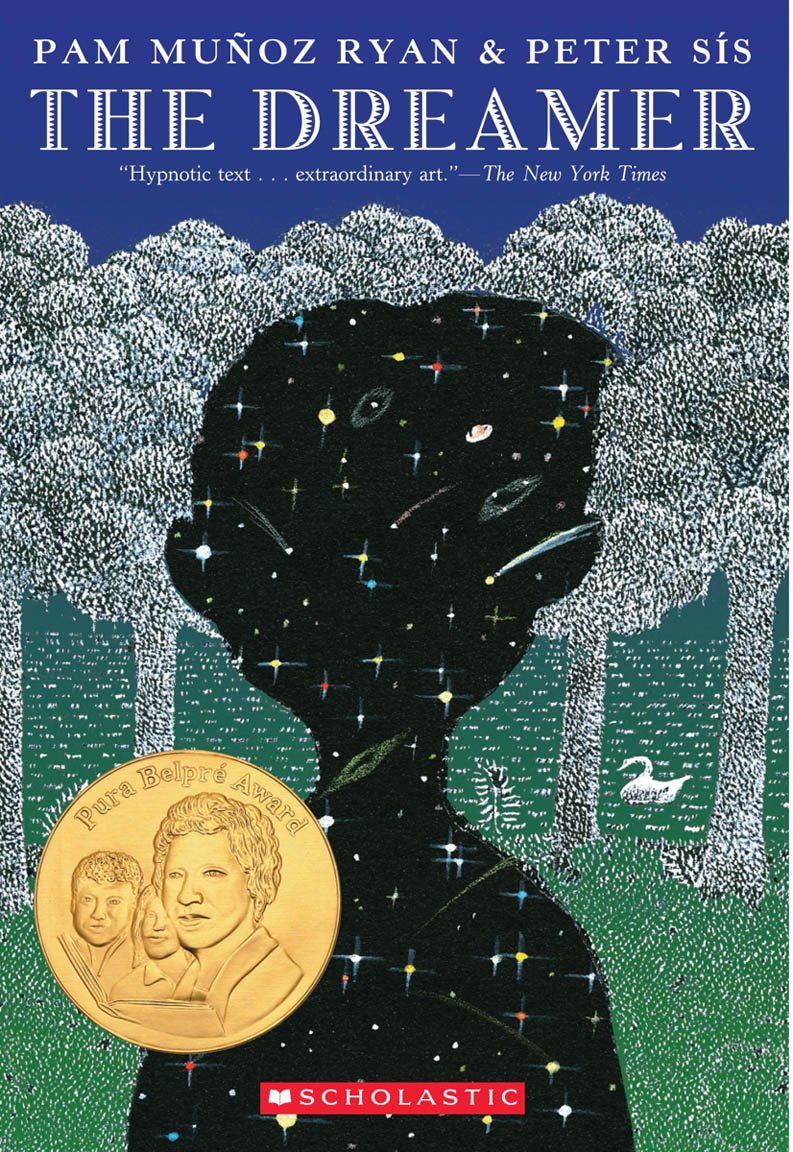
This year, I decided to buy The Dreamer, by Pam Munoz Ryan, illustrated by Peter Sis.  It’s a fictionalized novel of Neruda’s childhood.  I say fictionalized but that seems limited – it’s an illuminated, poetic, intense, magical story of Neftali Ricardo Reyes Baoalto, the son of railroad manager, born in Parral, Chile, in 1904. 
His father was a stern man who could barely tolerate his son’s dreamy ways.  Neftali changed his name in his teens when he began publishing poetry he knew would embarrass his father.  Neruda became one of the most beloved and most read poets in the world.
Ryan’s book is about how Neftali grew up able to capture words and images and create poetry.  She was enchanted by a story Neruda told of a mysterious happening when he was a child.  He was playing alone along a fence of an abandoned house.  A child’s hand passed a toy through the hole in the fence to him.  He returned the gift with a marvelous pinecone he’d found deep in the forest.  Later, when he searched for the child, he found the house still abandoned, no sign of the child or any living being.  
Ryan says: “That anecdote captivated me and lead me to Neruda’s essays and memoirs, which led me to his forays into the rain forest and his trips to the ocean, and to the story of the swan….  Ultimately his poetry led me.  And I discovered The Book of Questions.  Neruda’s spirit of inquiry was contagious and inspired me to create the voice of poetry and the questions in my text.”

This book reads like narrative poetry.  The story slips in and out of dreams and imagery.  Young Neftali collected shells, seed pods, keys, beetles — any little spark of a thing that he could manage to carry home.  Though he stuttered and had little success in communicating with his father, he collected words.  He copied new ones onto slips of paper and kept them in a drawer.  
“Neftali grabbed a book from the bedside table.  Even though he did not know all of the words, he read the ones he knew.  He loved the rhythm of certain words, and when he came to one of his favorites, he read it over and over again: locomotive, locomotive, locomotive.  In his mind it did not get stuck.  He heard the word as if he had said it out loud – perfectly
Neftali climbed out of bed, retrieved a pencil and paper, and copied the word.  
LOCOMOTIVE.
He folded the paper into a small square and put it in a dresser drawer already crammed with other words he’d written on tiny doubled over pieces of paper.  Then he crawled into bed.
Father’s question from yesterday found its way into his thoughts.  “Do you want to be a skinny weakling forever and amount to nothing?”
The words in the draw shuffled.  The drawer opened.  The small pieces of paper floated into the room and arranged and rearranged themselves into curious patterns above his head. 
CHOCOLATE, OREGANO, IGUANA, TERRIBLE, LOCOMOTIVE
Neftali sat up, rubbed his eyes, and looked around the room.  The words were no longer there.  He slid from the bed, tiptoed to the drawer and opened it.
All of the words were sleeping.”
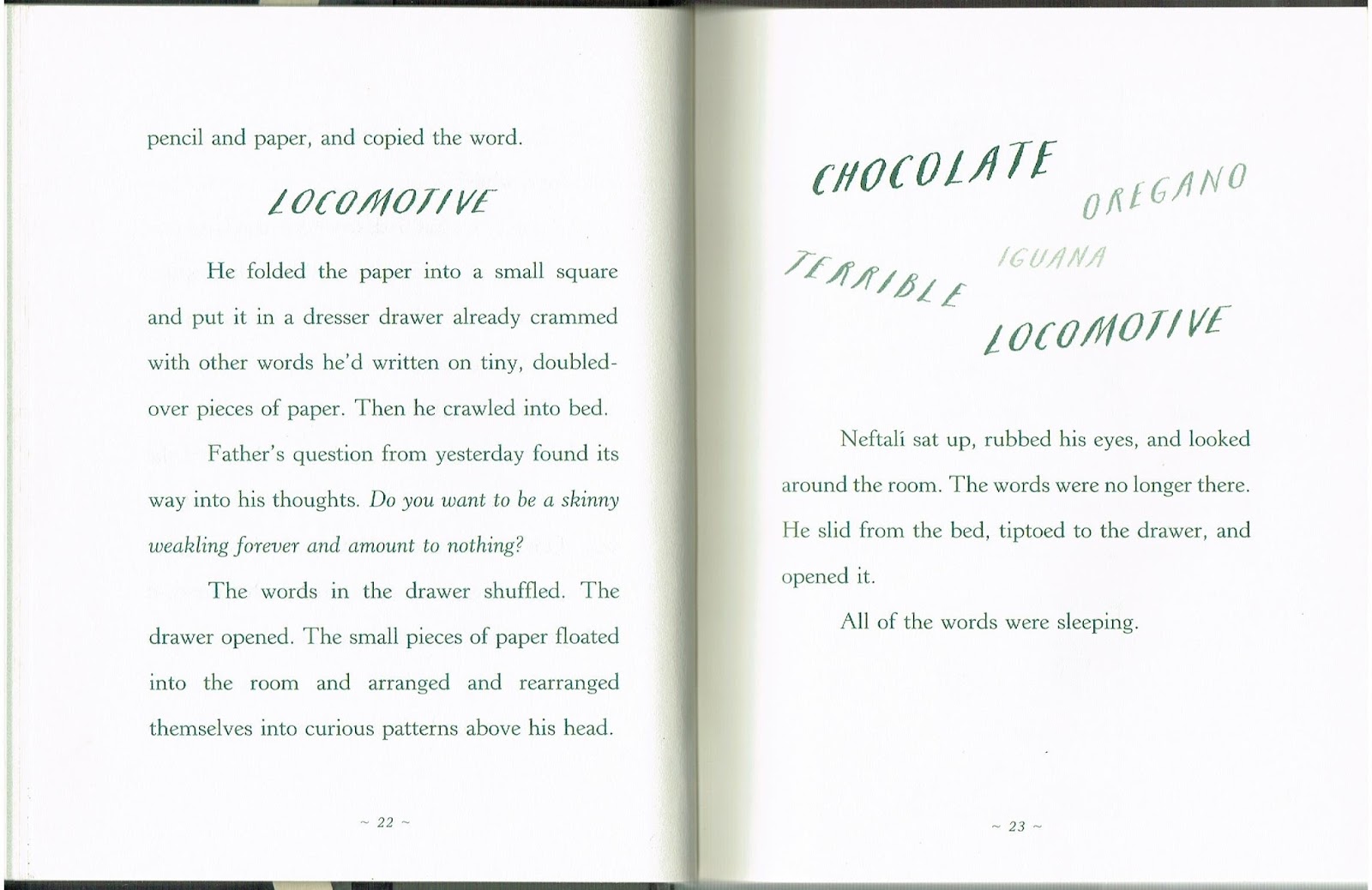


The Dreamer’s layout and typography is poetic in its own right.  The illustrations by Peter Sis are breathtaking.  They have a whispery quality, like poetry’s insistent whisper in Neftali’s life. 
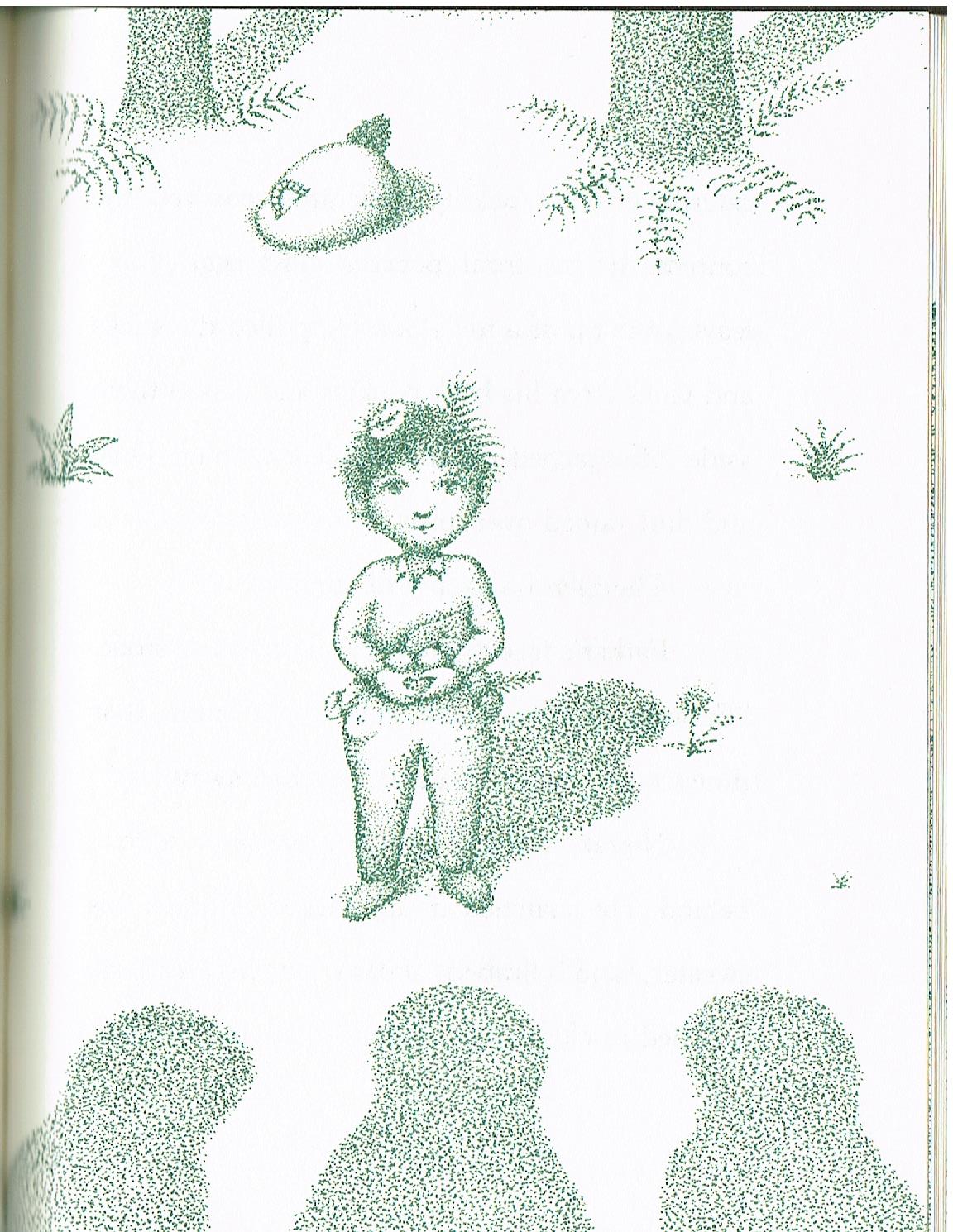
There are the usual full page illustrations, but Sis’s style influences the layout of the story itself.  The results are visual poems.
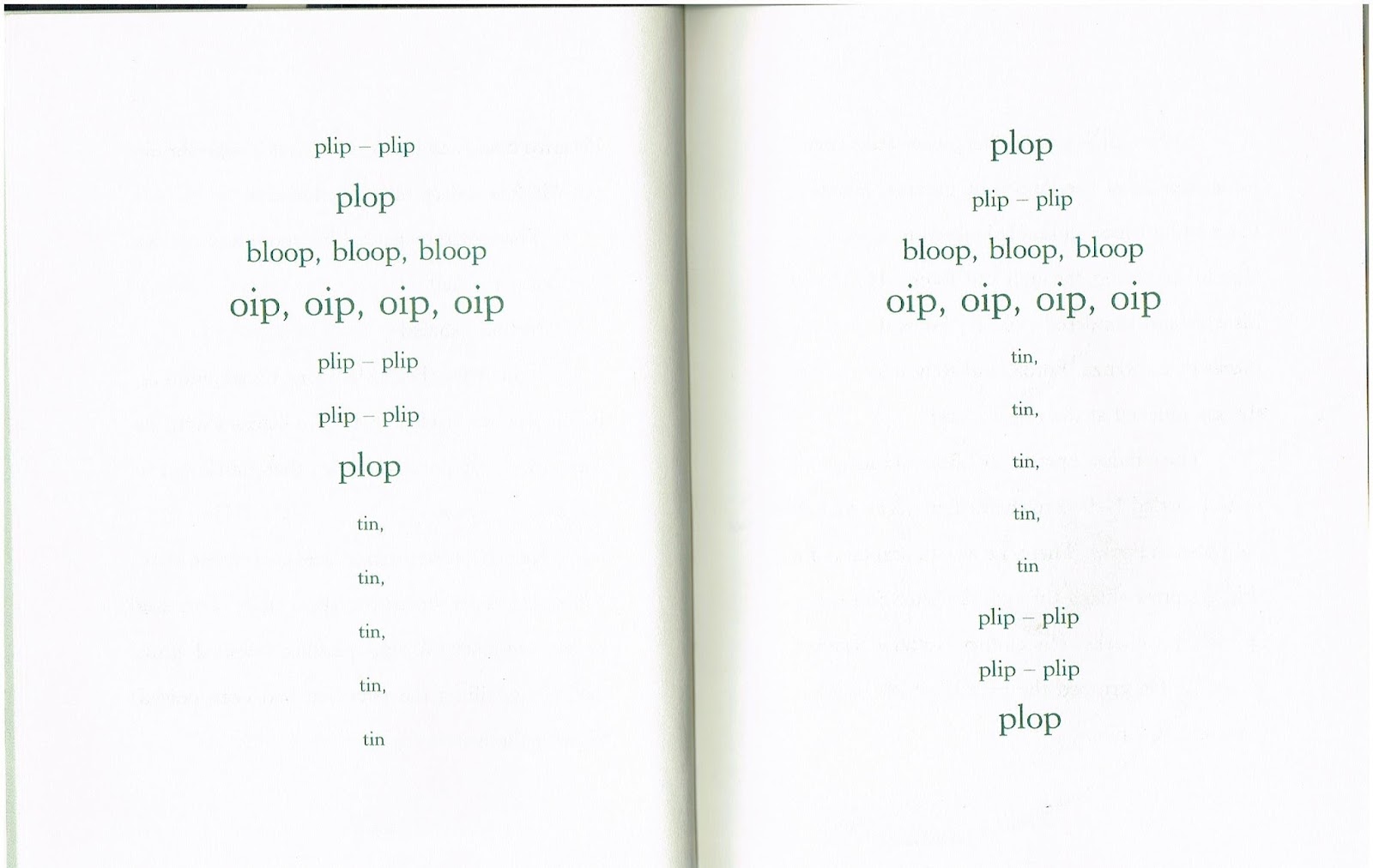
The never ending rainy season played out in words
“The words he had written wiggled off the page and escaped from the drawer.  The letters stacked themselves, one on top of the other.  Their towers reached higher and higher until they stood majestic and tall, surrounding Neftali in a city of promise.”  The following page: 
I’ve read this book several times, checked it out from the library often, just as I did as a teenager with Neruda’s poems.  His images strengthened me in times of struggle, made me notice what I would have otherwise overlooked.  Ryan illuminates how nature and words strengthened Neftali, despite his father’s relentless bullying.  There’s true redemptive magic in the world, but it’s often hidden in small gifts from nature, simple and complex at the same time.  Ryan weaves this story well and Sis expands it into infinity.
We are all that heaven, don’t you think?  We hold lost stories.  Poetry helps us find them.
The Dreamerwon the 2011 Pure Belpre Award for fiction. 
Pamela Munoz Ryanhas written over thirty books for young people, from picture books for the very young to young adult novels, including the award-winning ESPERANZA RISING, BECOMING NAOMI LEÓN, RIDING FREEDOM, and PAINT THE WIND. She is the National Education Association’s Author recipient of the Civil and Human Rights Award, the Virginia Hamilton Award for Multicultural Literature, and is twice the recipient of the Willa Cather Literary Award for writing. She was born and raised in Bakersfield, California, and now lives in North San Diego County with her family.
Her latest book, Echoes, is the tale of an enchanted harmonica, which I’ve read, loved, and will review soon.  You can read more about her here.
Peter Sis is an illustrator and author of many gorgeous books.  He is a MacArthur Fellow, a Sibert Award winner, and three time Caldecott Honoree.  His picture books include Starry Messenger: Galileo Galilei, The Red Box, and The Wall: Growing up Behind the Iron Curtain.  His most recent book is The Pilot and the Little Prince: The Life of Antoine de Saint-Exupéry, another charming must-read. He lives in New York.  You can find out more about him here.
(There’s a great picture book about Pablo Neruda for children of all ages.  Pablo Neruda: Poet of the People by Monica Brown, illustrated by Julie Paschkis.  Maria Popova of Brainpickingsdid a wonderful review of it and you can read about it here.)  
All of this celebration of Neruda prompted me to find my oldest copy of his work.  It’s $5.95 paperback that fell to pieces when I took it off my shelf.  
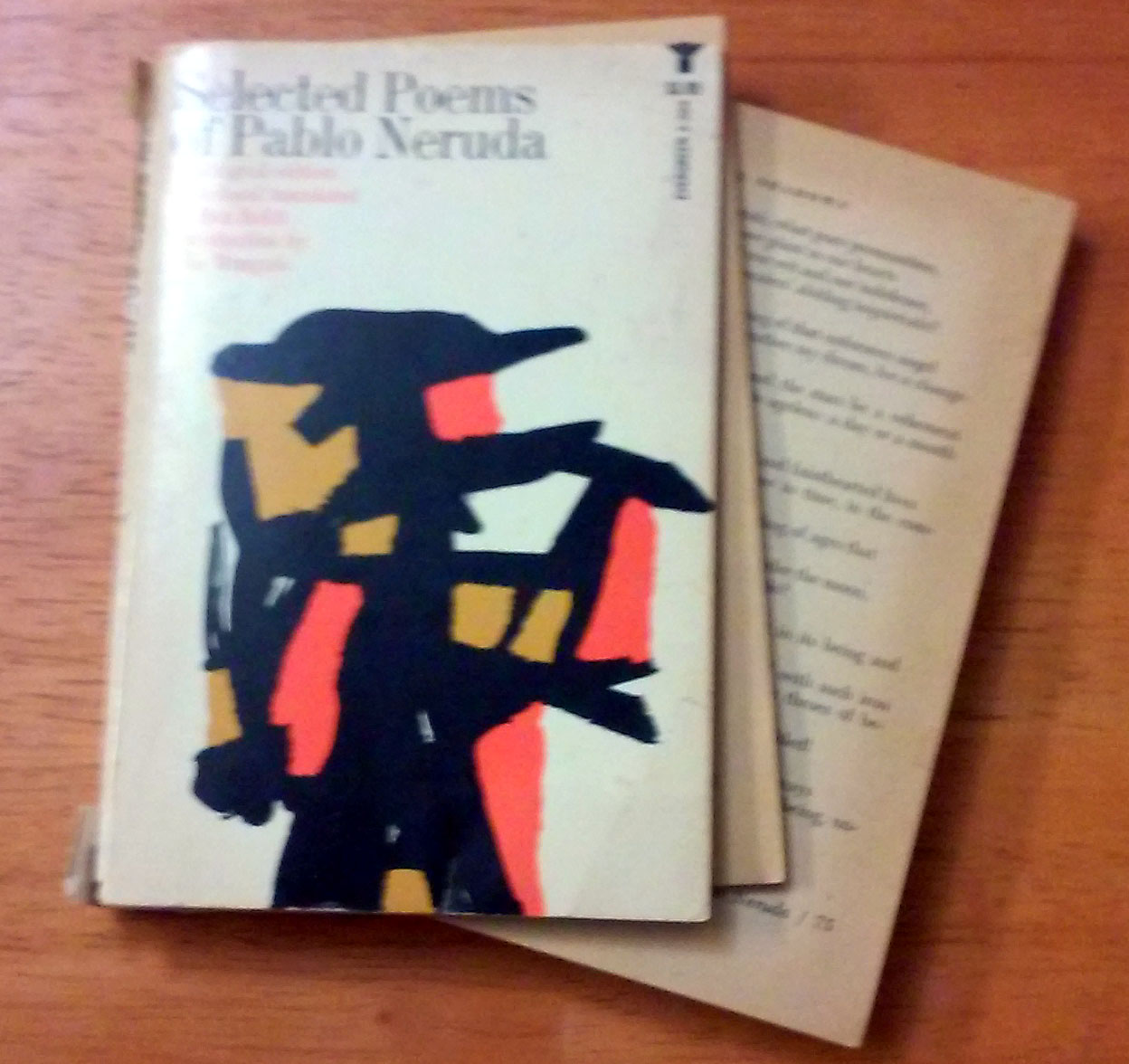
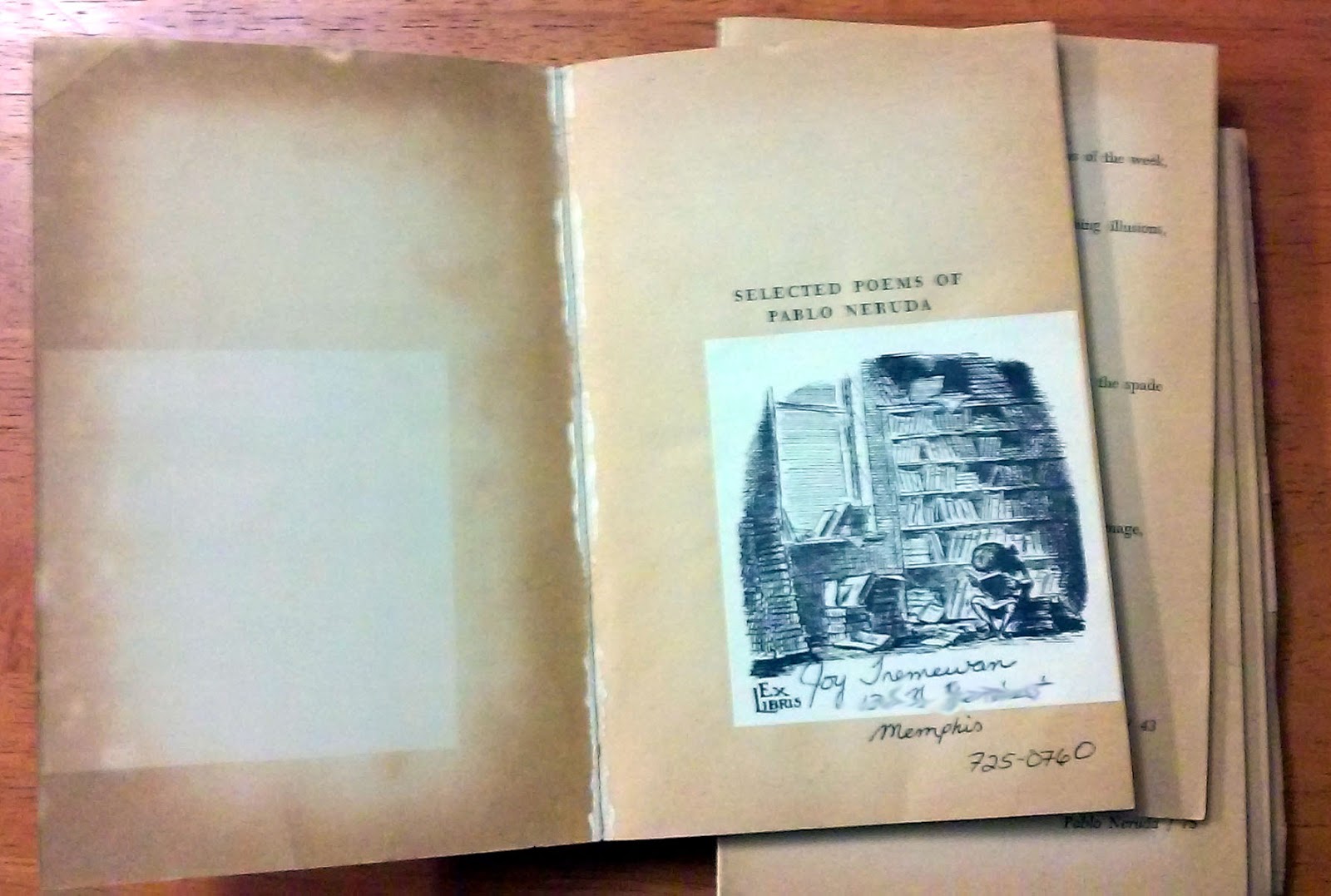
It’s been mine for about 30 years and was used when I got it.  I browsed through crumbling pages the color of graham crackers, that smelled of libraries, suitcases and dust.  I thought about how much Neruda treasured old things that bore the imprint of nature as it transforms us all to her bidding.  I think I’ll try to keep it another 30 years – along with my other Neruda books and my new copy of The Dreamer.   
Fill your life with meaningful words and images.  Thanks for reading my blog. 

Draw What You See: Benny Andrews

I got to hear the artist Benny Andrews speak in the 1980s in Memphis, when the Brooks Museum of Art had an exhibition of his work.  His art is so vibrant and unique, the elongated characters practically walked off the canvas, shook your hand, and told you their story.  
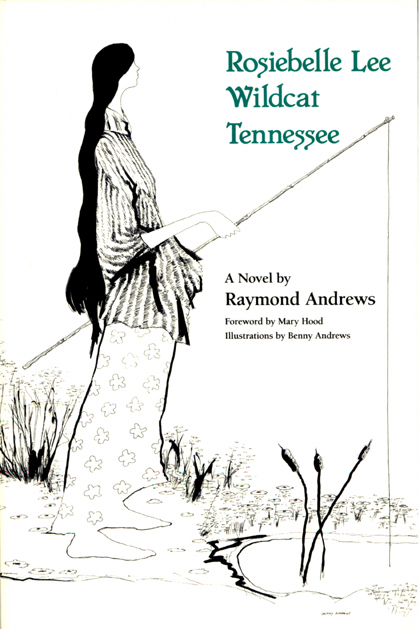
I’d first seen his drawings when I read books written by his brother Raymond Andrews.  Raymond was the author of a series of books about Black communities in central Georgia, and their close but dangerous relationship with the White community.  Benny’s line work was amazing — simple but expressive with a narrative all it’s own.  

Benny and Raymond were from a family of 10.  Their father was a sharecropper but also a painter who sparked a creative fire in his children.  Benny told a story about his father painting practically everything in the house.  His mother had to hide her Sunday shoes to keep him from painting them.
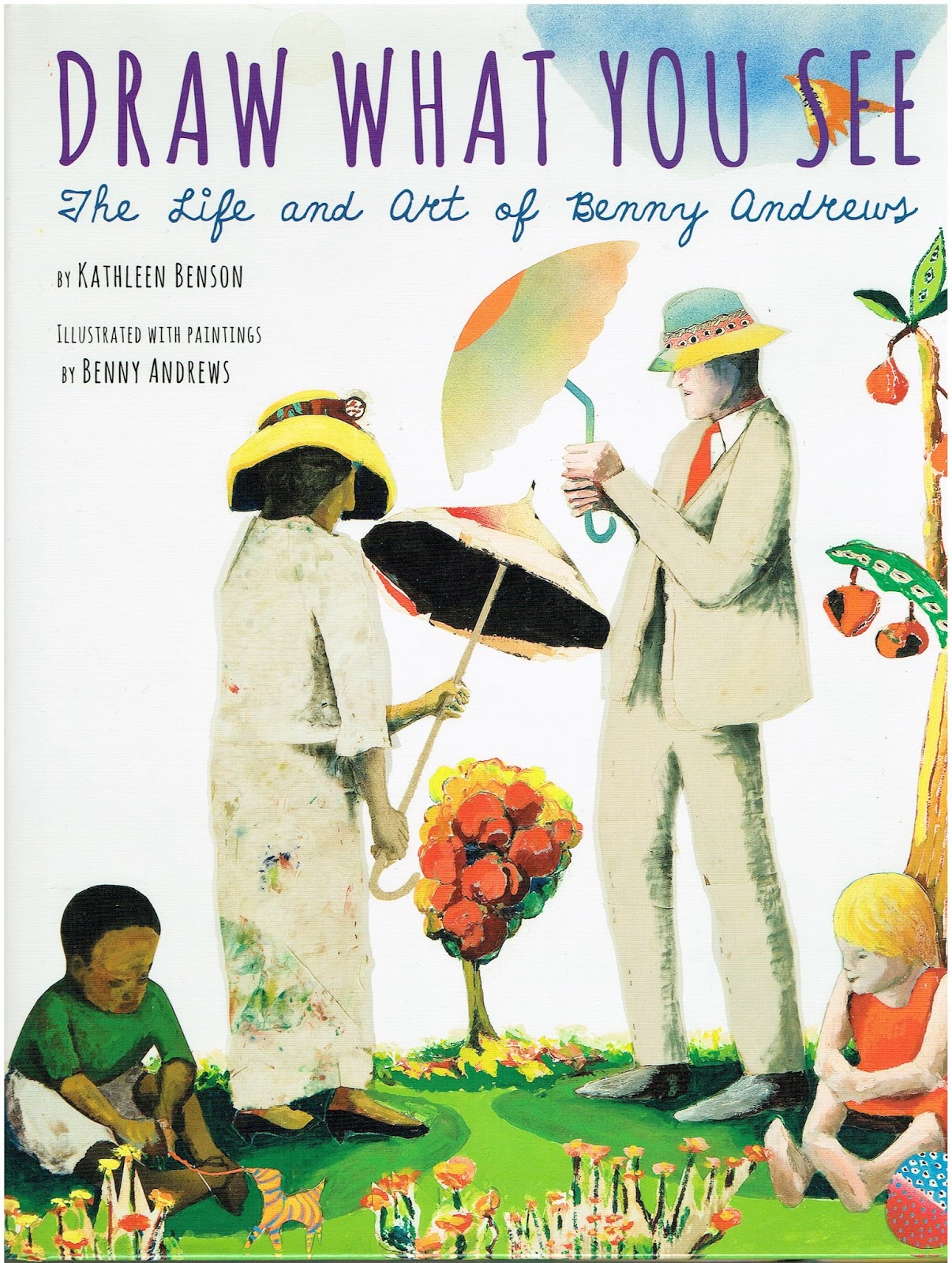
Kathleen Benson, Project Director at the Museum of the City of New York. has written a wonderful picture book  Draw What You See: The Life and Art of Benny Andrews, (Clarion Books, 2015).
As a child, Benny drew his family members and the life around him.  He went on to become a major influence in American art.  
The book opens with a story of Benny as an adult teaching art to children who lived in camps in New Orleans after Hurricane Katrina.  The story then moves back to his childhood.

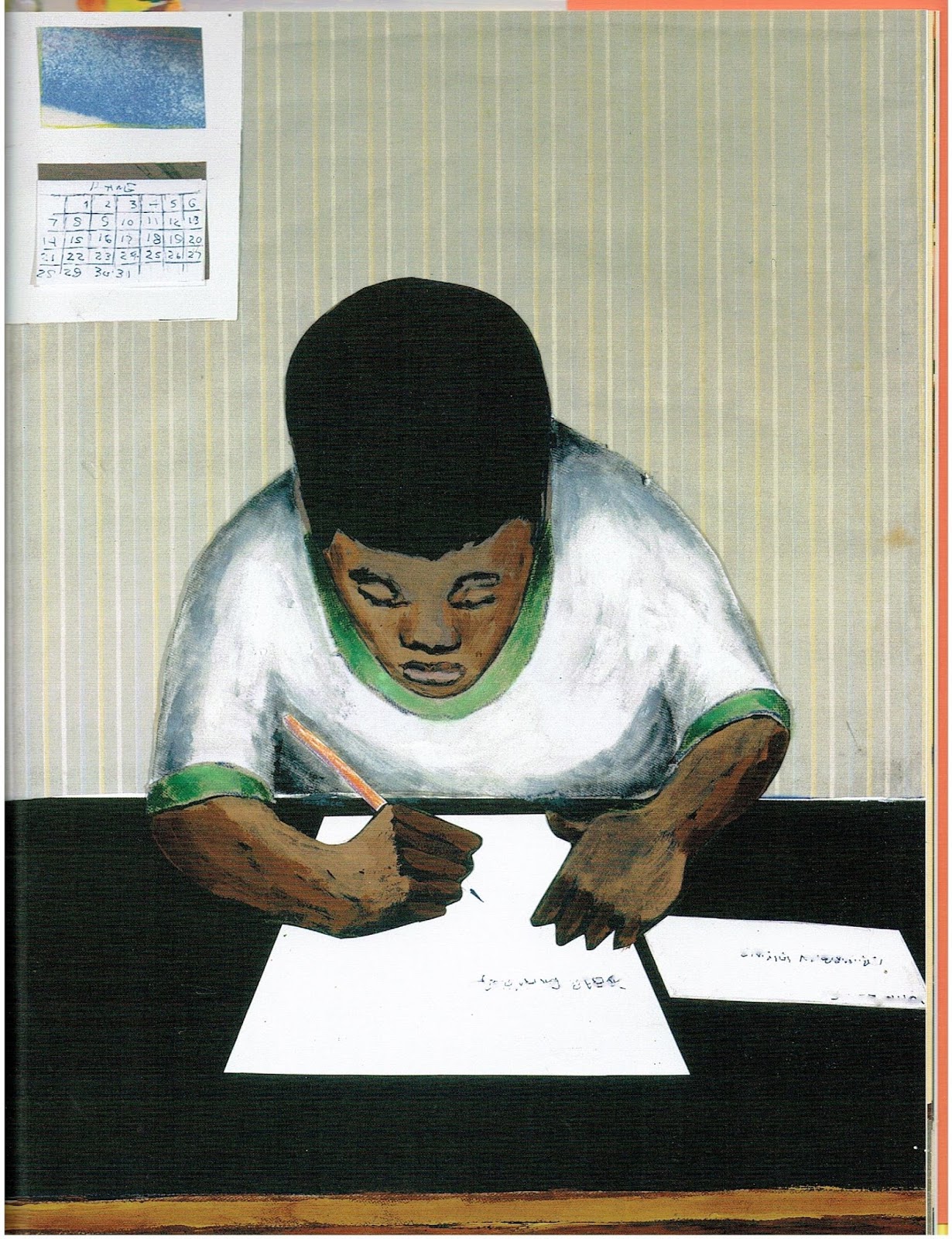
“In grade school, Benny was always the class artist.  He copied the comics from the daily newspaper.  He drew the stories he heard on the radio and the stars in the movies he went to see in town on Saturdays. 
“After school, Benny worked carrying water to the laborers in the fields. At planting and harvest time, he didn’t go to school at all.  None of the black children in Plainview did, because they were needed on the farms.  Their school year was only about five months long.”

Though most of his friends left school to work in the fields full time, Benny longed to go to high school.  His mother prevailed upon the farm’s White boss to allow Benny to go. 
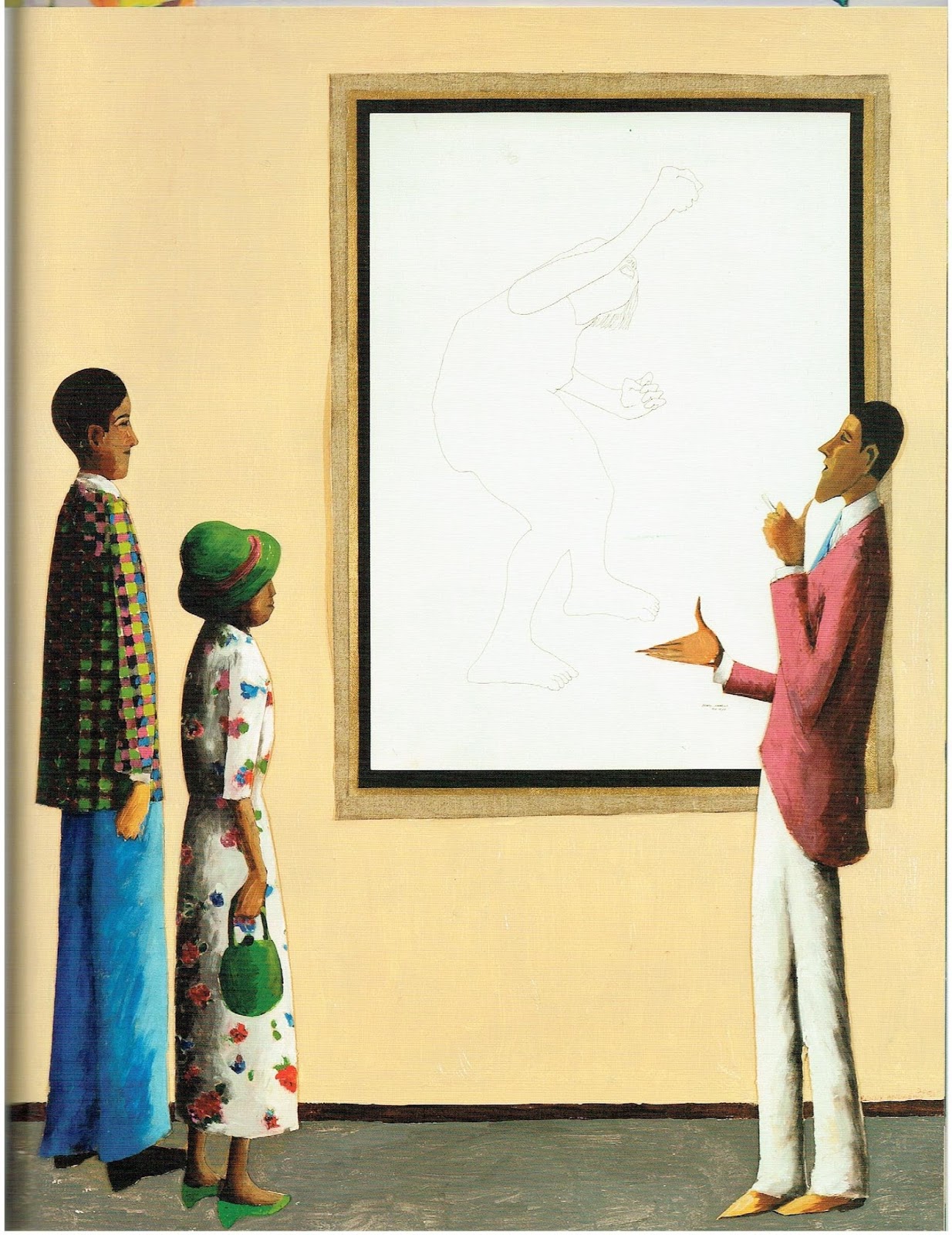
After high school, he joined the air force.  When he got out, he had the means to go to art school.  He’d traveled all over the world, learned new ways of looking at things, but, “Home was always in his heart.”  He was inspired by the people around him.  “With lots of practice, he became a master at capturing movement on the still canvas.”


I love that he emphasized that you draw what you see because his vision was uniquely his own.  He couldn’t stay confined to absolute realism.  He saw things with imagination and style.  He saw the vibrancy of open spaces.  He added texture to his work by sticking paper and cloth on to the canvas.  
He was a “people’s painter.”  He taught.  He shared art.  He illustrated children’s books.  He opened doors for other underrepresented artists.    

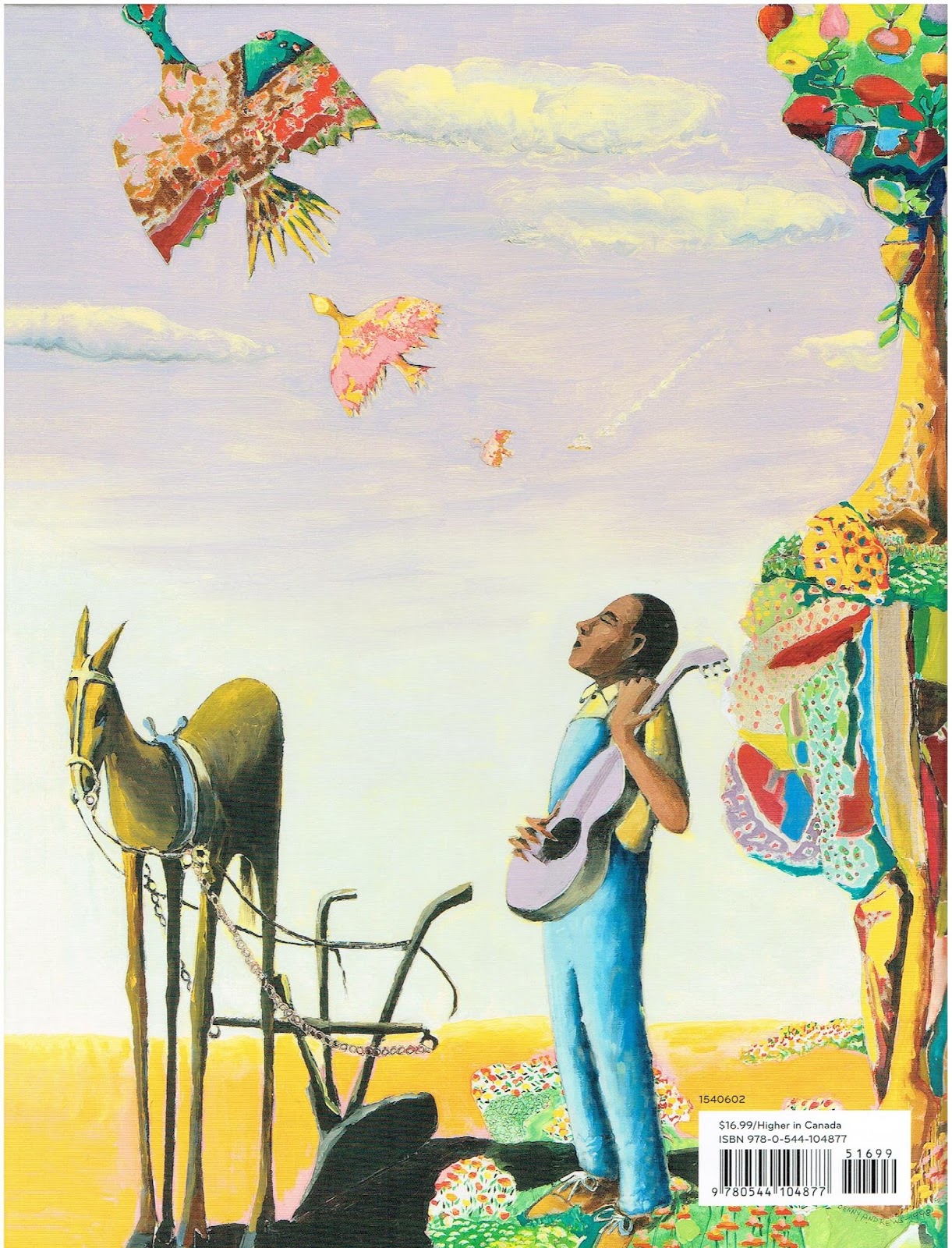
 Draw What You Seeis a gorgeous book.  Without being didactic, the story makes it clear how difficult it’s been for Black people to get an education and to pursue art.  Benny wanted to make it easier for all people to become artists.

Unlike many pictures books about artists, this one uses Andrews’ own art work.  Kathleen Benson and Benny Andrews worked together before.  He illustrated her book John Lewis in the Lead: A Story of the Civil Rights Movement, which won the NCSS Carter Ge Woodson Award. 
This is a great picture book to introduce kids and aspiring artists to the work of Benny Andrews.  
It’s a delight to look through no matter what your age.  It’s like having a little gallery of Andrews work at hand, work that welcomes you in to the beauty and mystery of his vision.  There’s excellent additional information and a time line of his life in the back pages.
If you’d like to learn more about Benny Andrew, The School Library Journal has an excellent interview with Kathleen Benson here
You can learn a bit about his brother, writer Raymond Andrews, and life in Plainview for their family here.

Follow your vision and thanks for reading my blog!   

What’s Your Superpower?

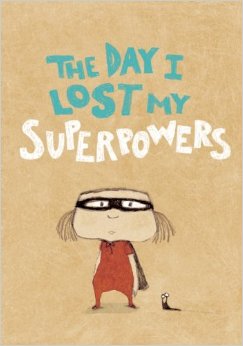
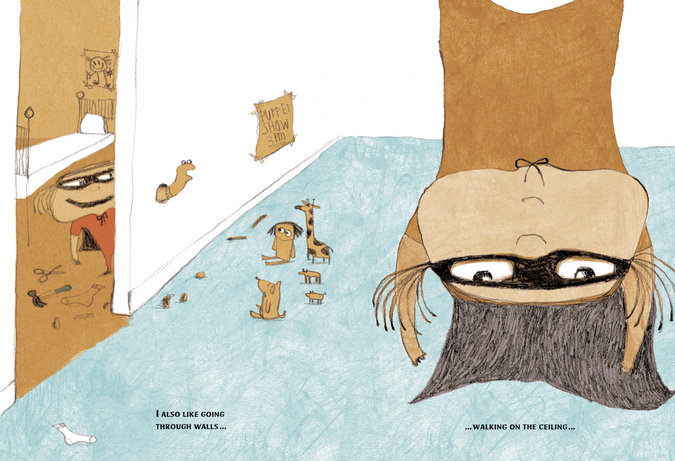
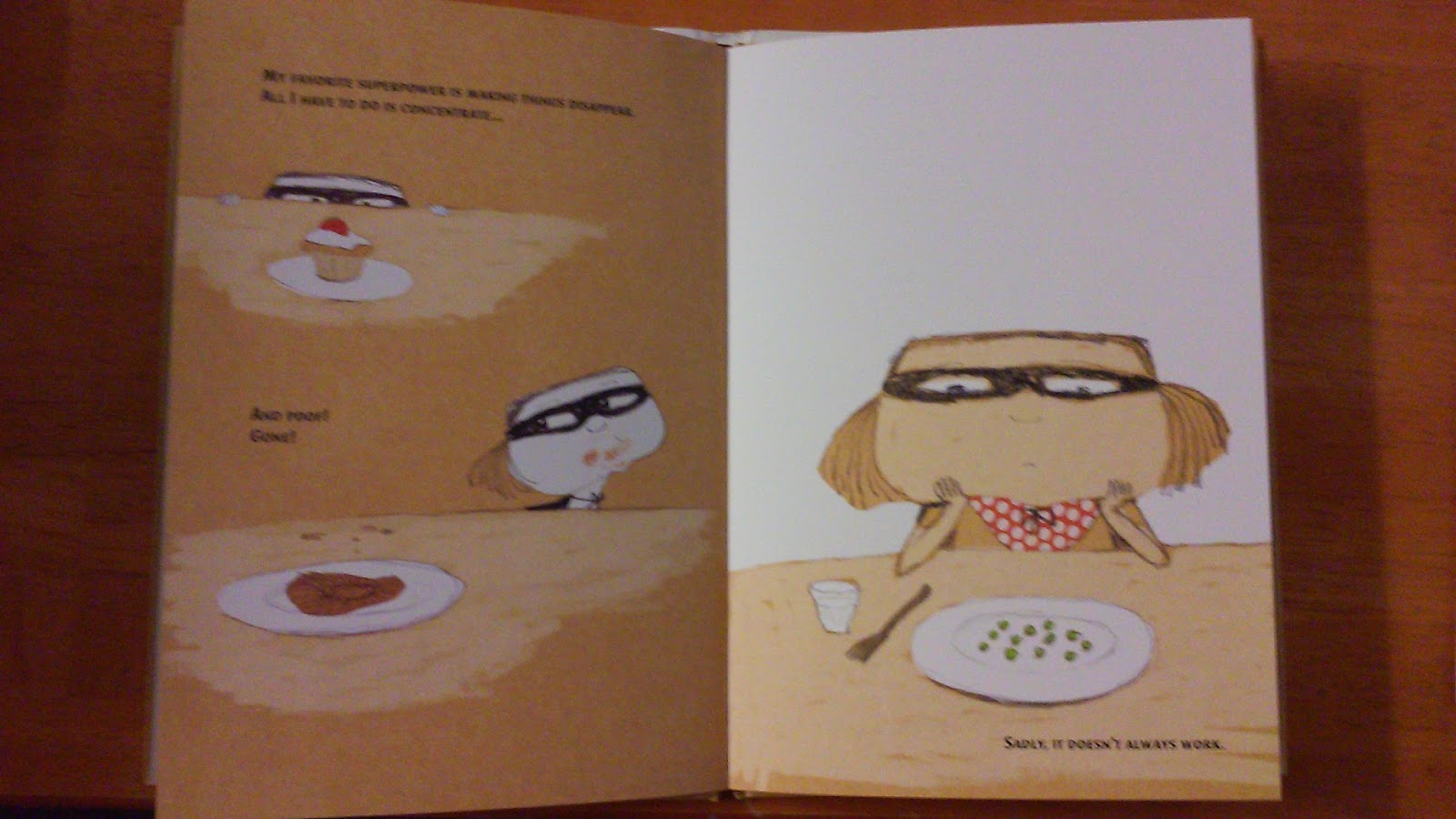
I had the most wonderful conversation recently with two 7 year-old girls about what a superpower is.  The conversation was inspired by the picture book The Day I Lost My Superpowers by Michael Escoffier and Kris Di Giacmo.  In it, a masked girl tries to explain her secret superpowers.  Like many children, she wants to be able to make magic.  Rather than stay grounded in dull reality, she creates a secret identity and lives in a world where she has the control every child craves.
Our narrator is not quite reliable, though, and her story and the pictures are at odds with one another.  
It’s a delight to see how far she goes to make her imagined powers a reality. 

 Inevitably, she finds she can’t fly when one of her contraptions fails and she get grounded in reality with a dramatic SPLAT.
At the end of the book, my 7 year old friends and I agreed that moms had true superpowers that were more important than any superhero they’d ever seen.  We discussed exactly what a superpower is.  Of course, both girls talked about superhero powers, but then we got back down to reality where things like helping friends and family seemed a bit more important than walking through walls or becoming invisible.
One of the girls decided her superpower was make her little sister laugh when she was grumpy, and setting the table before her mom even asked.  The other girl decided her power were being able to find her brother’s missing toys and drawing ponies.  I decided mine was being able to find great stories almost every day and sharing them with my friends.  We all thought we had the superpower of imagination and this book gave us lots of new ways to imagine things. 
It was wonderful how the interplay of fantasy and reality sparked our appreciation of both.  The illustrations made us all want to get out our crayons and draw some of the magic in our lives. 
The Day I Lost My Superpowers is a big beautiful book.  It’s well bound and has thick pages.  Since I read and share books with kids in the Bridge Meadows community, I always love it when the book seems capable of being read over and over by dozens of little story lovers.  Enchanted Lion, the book’s publisher, consistently does a great job of making books that will stand up over generations.  They’ll be treasures passed down when kids grow up and have kids of their own.
Michael Escoffier says he was raised by a family of triceratops and discovered his love for stories as a child.  He lives in Lyon, France.  He’s the author of Brief Thief and Me First.  Kris Di Giacomo has lived in France since childhood.  She’s illustrated over 25 books, including My Dad is Big and Strong, BUT…, Brief Thiefand Me First. These two are a great team and I hope they use their super story powers for many more books. 
Here’s links to other Enchanted Lion Books I’ve reviewed:  The Hole by Oyvind Torseter and The Jacket by Kirsten Hall and Dasha Tolstikova.
Thanks for reading my blog.  May you find books that refill your sense of wonder.  
Graphic Shorts

Chapbooks from Poets & Writers Magazine 
I’ve always loved chapbooks — the simple folded paper book with a staple binding.  They’re typically no more than 40 pages, seem personal and feel ephemeral.  They’ve been around since the invention of the printing press and provide a simple, elegant way to get information, songs, stories, and art published.  Often, a poet’s first book is a chapbook. 
In this age of rapidly changing publishing technology it’s interesting to see how chapbooks, zines and other small publications are evolving.  
Nobrow, an independent graphic arts and comic publisher based in London, has started a graphic chapbook series, 17×23 (for the size in centimeters of the books), giving illustrators the opportunity to show case their work and explore new ideas in a concise format.  They retail for $5.95, which is a great price for these intriguing graphic short stories.
I’ve read two and look forward to more. 
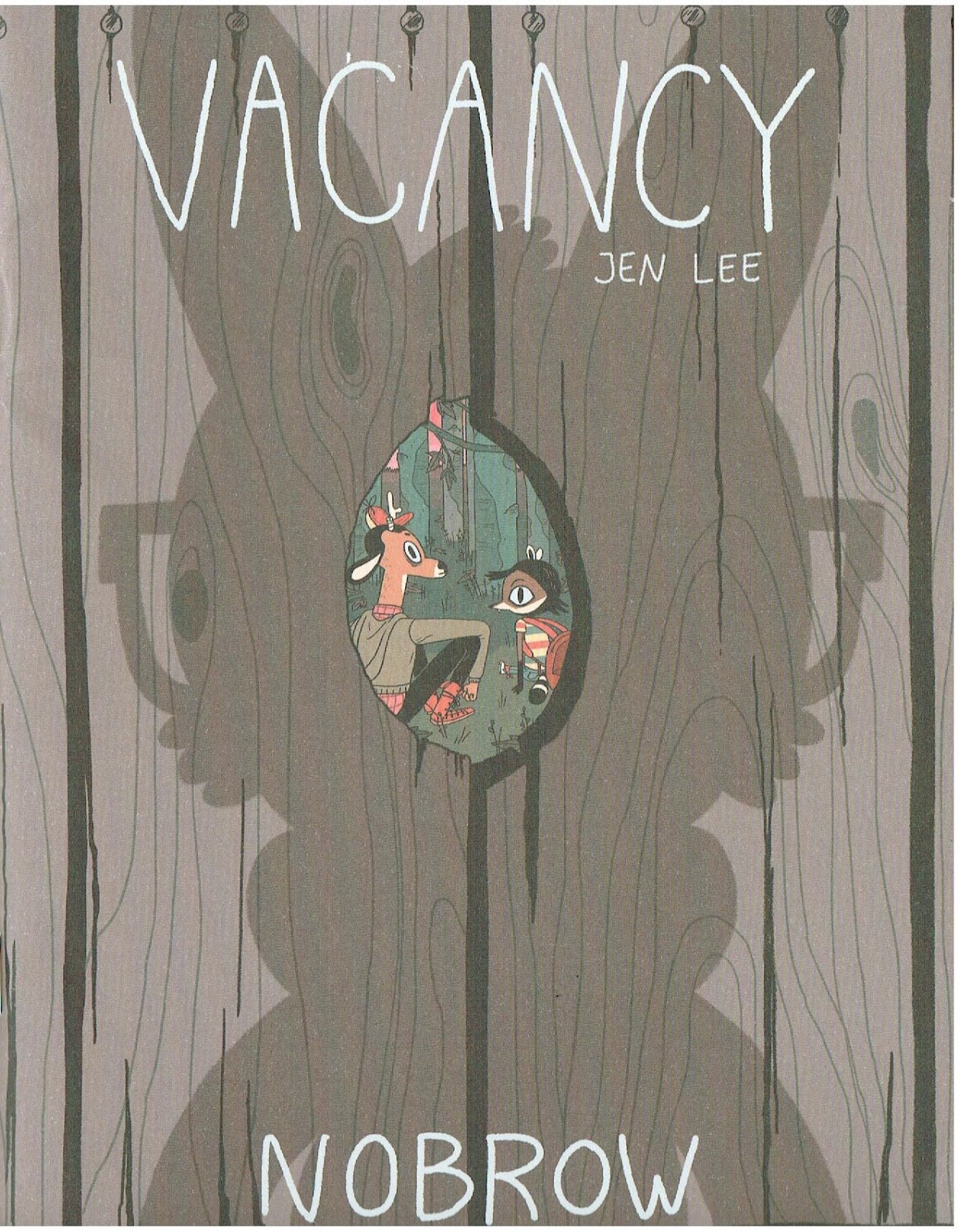
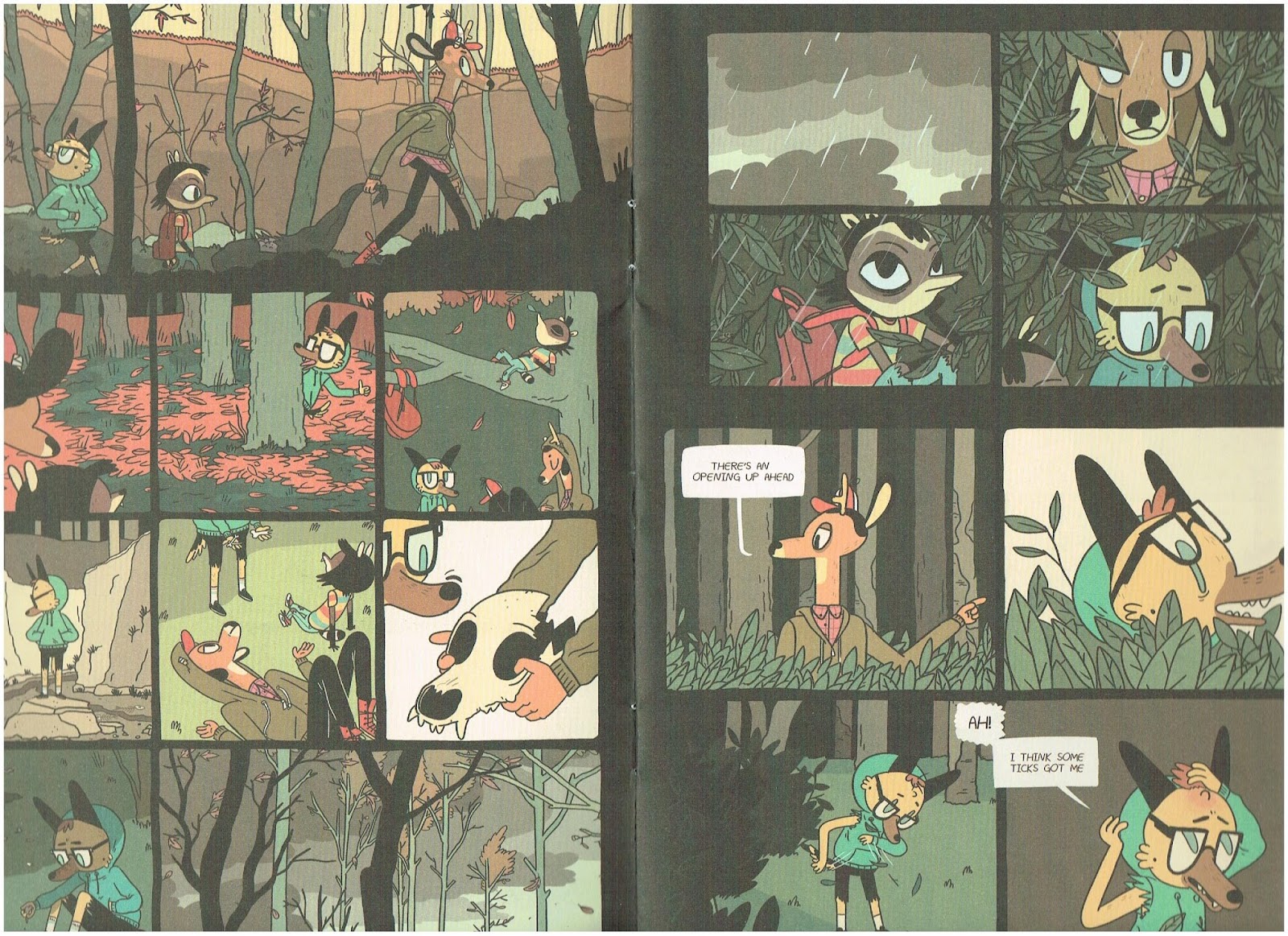
Vacancy by Jen Lee is a dystopian story about the sometimes opposing needs for safety and companionship.  Alone and forgotten in a forlorn backyard, a dog named Simon contemplates breaking free. 
His chance comes when he partners up with a raccoon and a deer who take him into the woods.  The woods are scary and it’s hard for Simon to figure out how to live and who to trust. 
While I’m generally not a fan of dystopian outlooks, Lee’s style is bold and the action leaps through the graphic frames.  It speaks not just to the fears of survival but a deep fear of isolation.  Daytime is dim and night time has an eerie glow.  You feel need for sustenance and companionship throughout the story.  
I read a very thoughtful review of this story by Daniel Elkin at Comics Bulletin, which I urge you to read here.  I also shared this story with a 13 year neighbor of mine who loves graphic novels and he hopes it’s the beginning of a series.
Lee studied at the School of Visual Arts in NYC.  She freelances in a farmhouse in Idaho.  You can read more about her here.
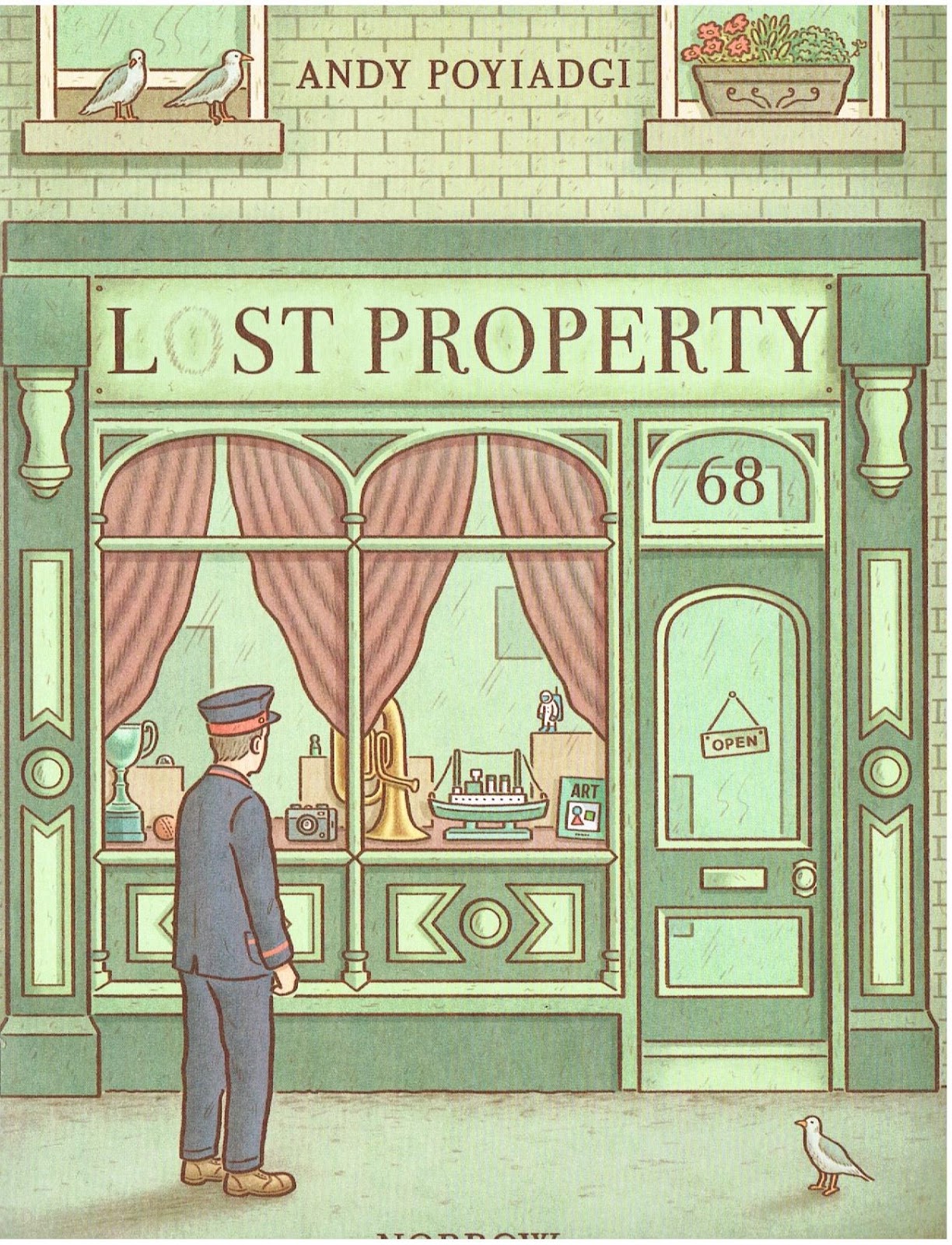
Lost Property, by Andy Poyiadgi, is almost an opposite kind of story.  It’s about a postman who is able to correctly deliver hundreds of items every day, but easily loses his own possessions.  One day, he gets a call from a lost property shop, saying they’d found a letter opener inscribed with his name.  
When he arrives, he notices a toy ship in the window that looks like one he had when he was a child.  As he looks around, he finds that the shop has every one of the objects he has lost in his life.  
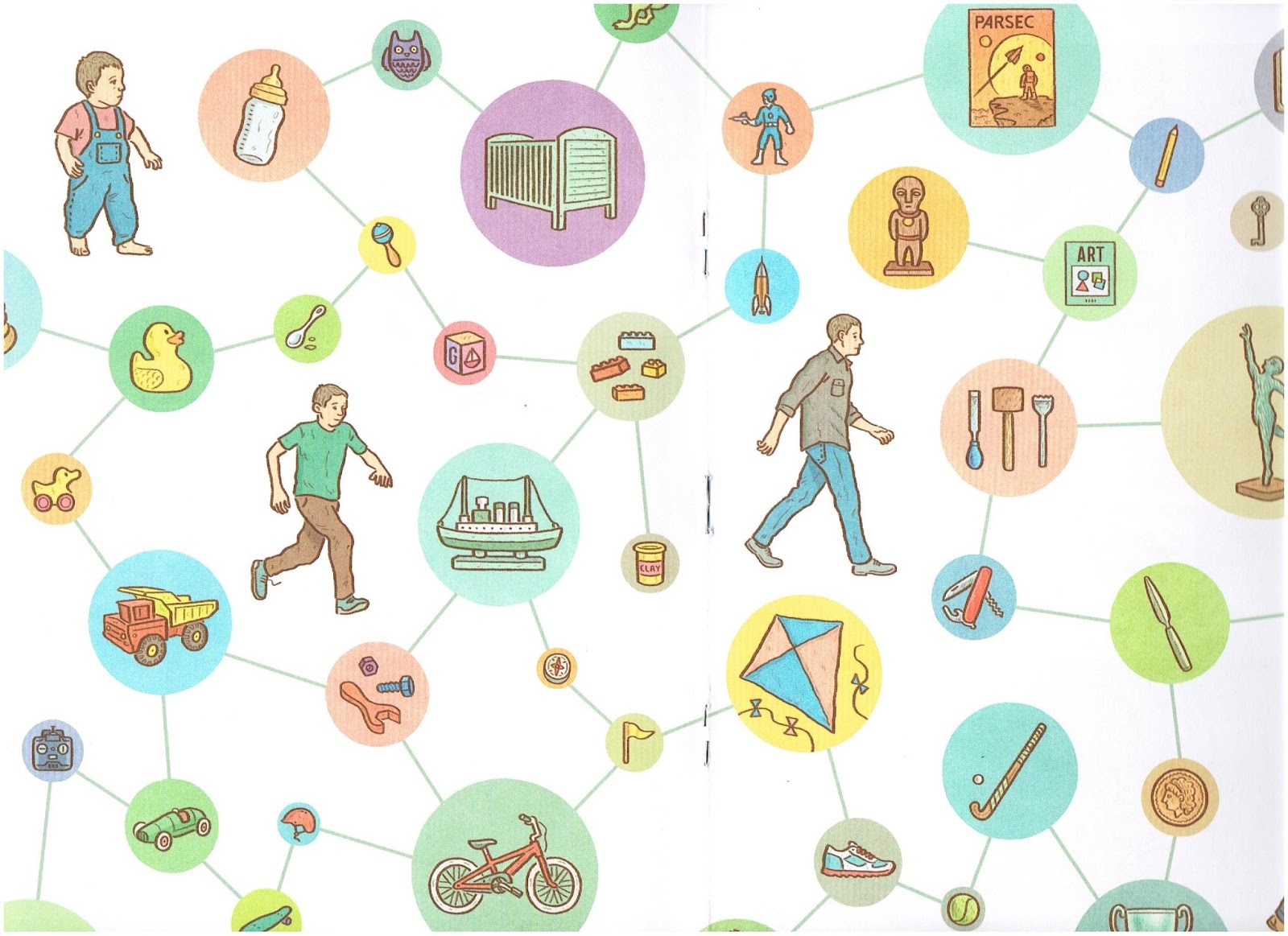
This becomes a slightly surreal and charming tale of the loss and retrieval of dreams and ideals.  When faced with the ghosts of his past, he begins to reclaim and re-imagine his own identity.  
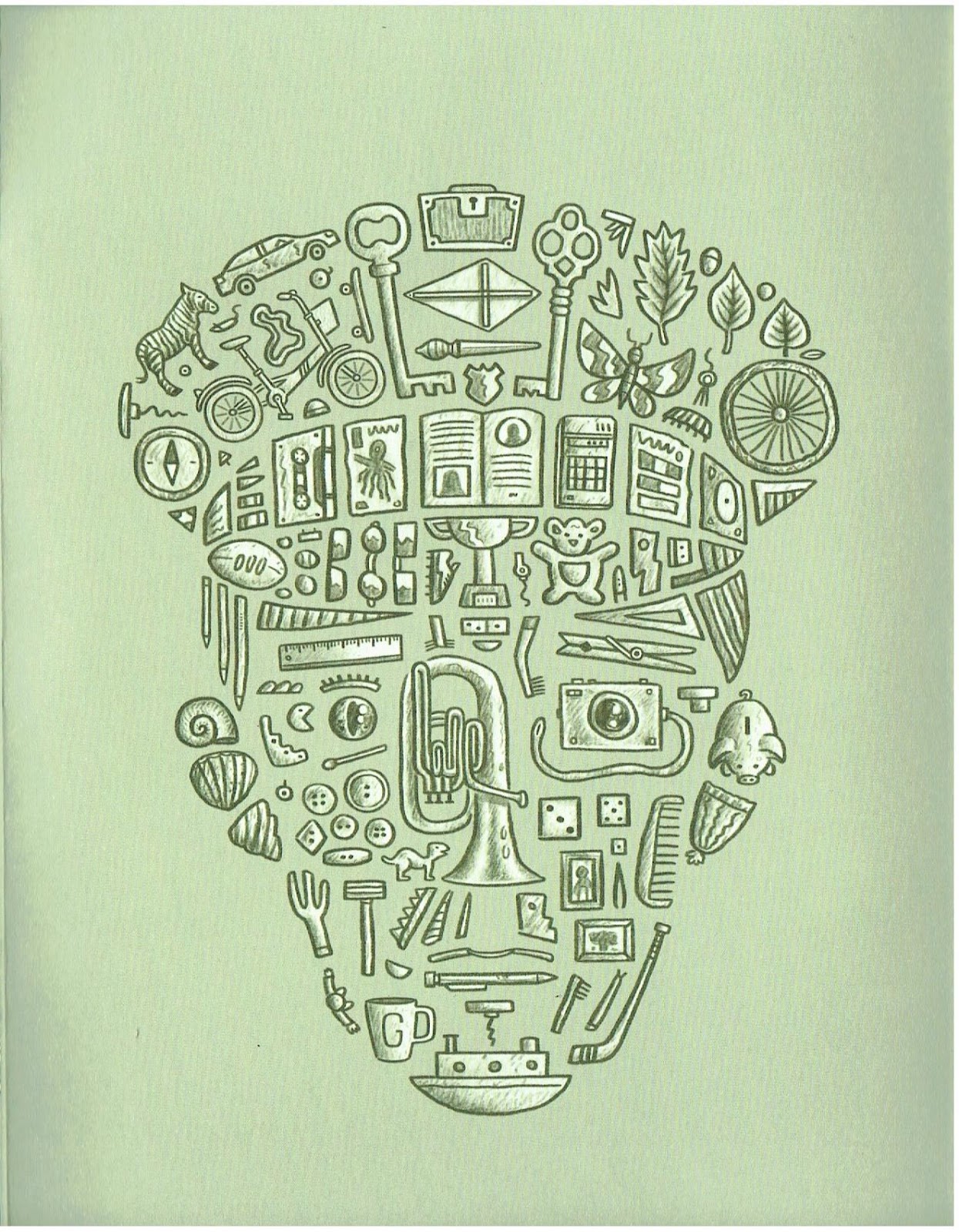
Poyiadgi’s drawings are clean and clear, with a subtle palette.  His layouts direct your focus from detail to panorama and back again.  It’s visually intriguing and a bit of an homage to the beauty of the everyday objects of our lives, and how their presence – or absence – shape us. 
Poyiadgi lives in London.  He makes films by day and comics by night. He likes the collaborative nature of one and the solitary demands of the other.  His comic Teapot Therapy was shortlisted for the Observer/Jonathan Cape/Comica Graphic Short Story Prize.  You can find more out about him here. 
You can read more about the 17×23 series hereon Hyperallergic in an article by Allison Meier, and you can see the Nobrow list of the series here.

You can read my review of the beautiful book Neurocomic by Hana Ros and Matteo Farinella, also published by Nobrow, here.
Thanks for reading my blog.  Your comments are always welcome and appreciated.