Hereville is Where It’s At!

all-three-hereville-books

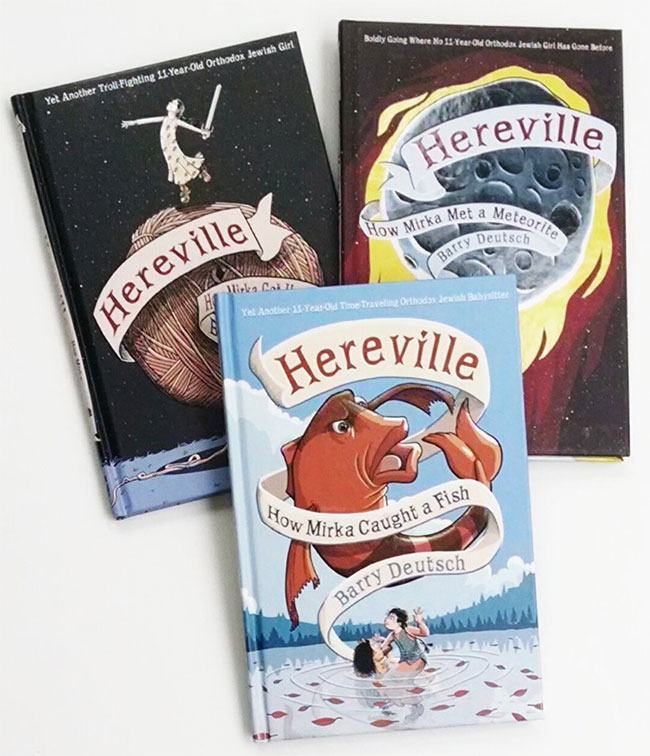
I became aware of the delightful Hereville series by Barry Deutsch through my friend Adrian Wallace.  He drew the backgrounds for Hereville: How Mirka Caught a Fish, the 3rd book about “yet another 11-year-old time travelling Orthodox Jewish babysitter.”  Mirka is also a troll fighter and meteor conqueror, which is amazing in that she lives in a quiet sheltered Orthodox village.

When Adrian explained to me what it was about, I was intrigued.  When I read the first book, How Mirka Got Her Sword, I was totally hooked.  I read the second, How Mirka Met a Meteorite, and then had to wait for the third to come out. Now it’s here! I love Mirka’s story so much I really wish it was a weekly, or even, should I be so blessed, a daily strip.

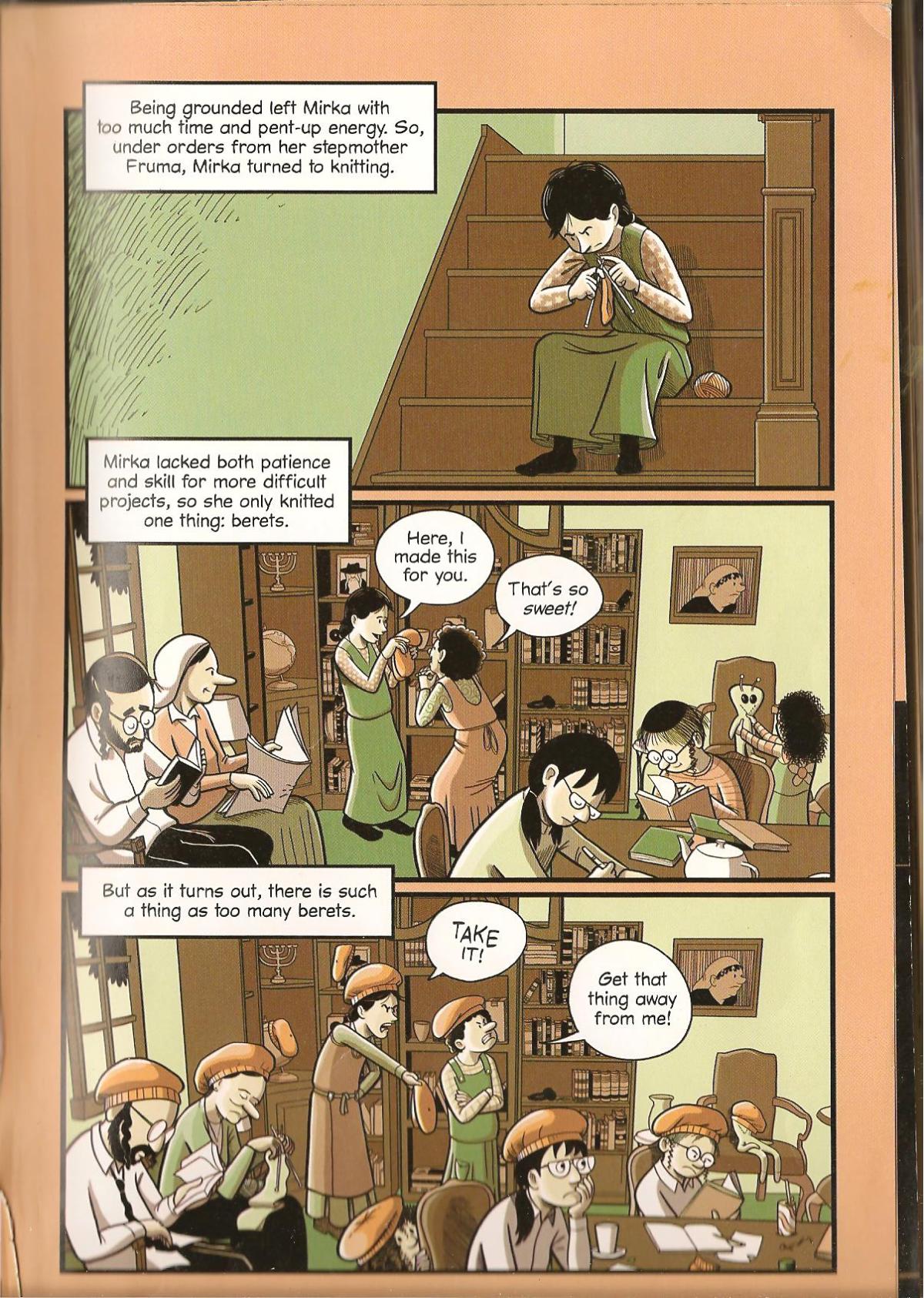
Mirka is a feisty, flawed and highly imaginative 11 year old.  That she lives in a sheltered and devout community doesn’t keep her from being a universal character.  She lives in a blended family, with a step-mother and step-siblings.  Sometimes, she fits in.  Sometimes, not so much.  She’s strong-willed but her stepmother Fruma isn’t trying to break Mirka’s spirit so much as to keep focused on the skills she’ll need in life.
003

There’s something wonderfully mysterious about Fruma and her support of Mirka, and as the story unfolds, that mystery deepens.  Deutsch is a gifted storyteller who creates adventures that are both original and hair-raising.  And it’s not sword play that gets dear Mirka out of trouble.  In each volume, you feel satisfied with the conclusions, but he’s planted seeds and tweaked curiosity.  You’ll want more.

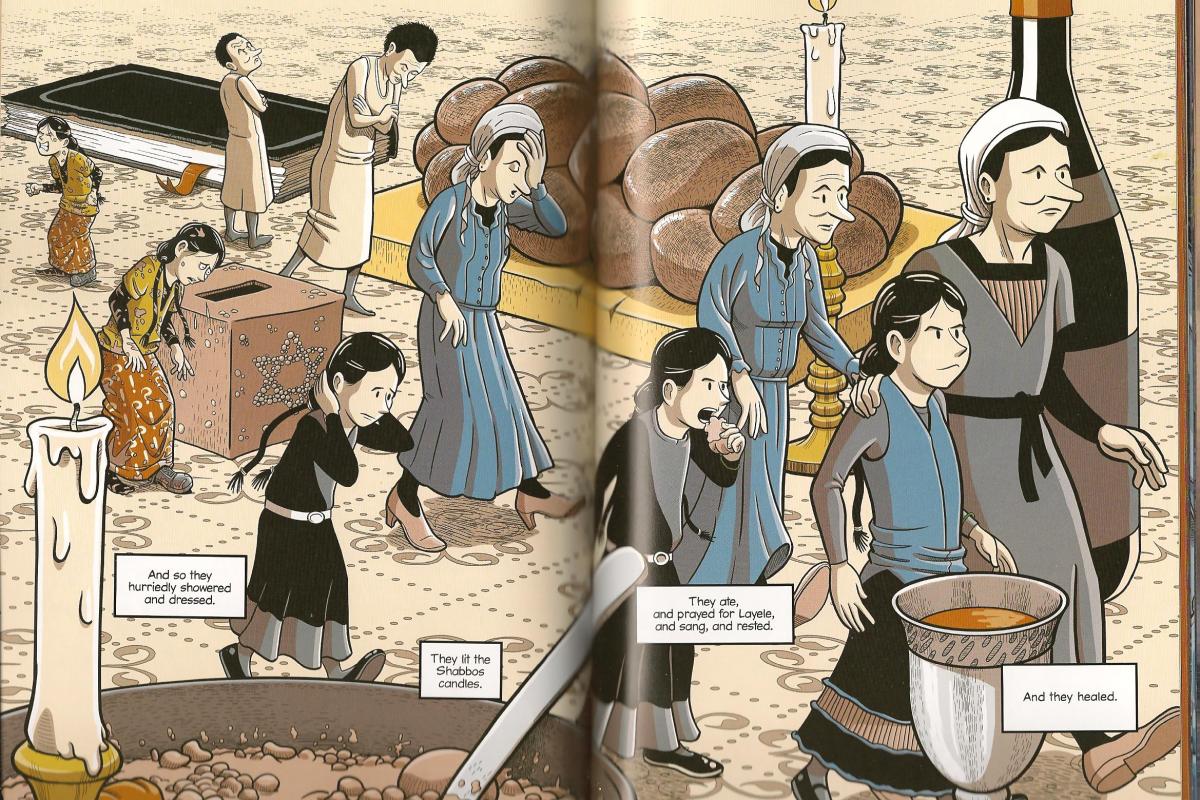
The setting in an Orthodox community is brilliant.  Deutsch gives us lots of information on how the community works.  The Hirschberg family is large – 8 sisters and 1 brother.  There’s a lot of family dynamics to navigate.  There are bullies to dodge – or to challenge, which is what Mirka chooses.  When her imagination and ego fail her, magic intervenes, and, also, her devotion to Hashem.

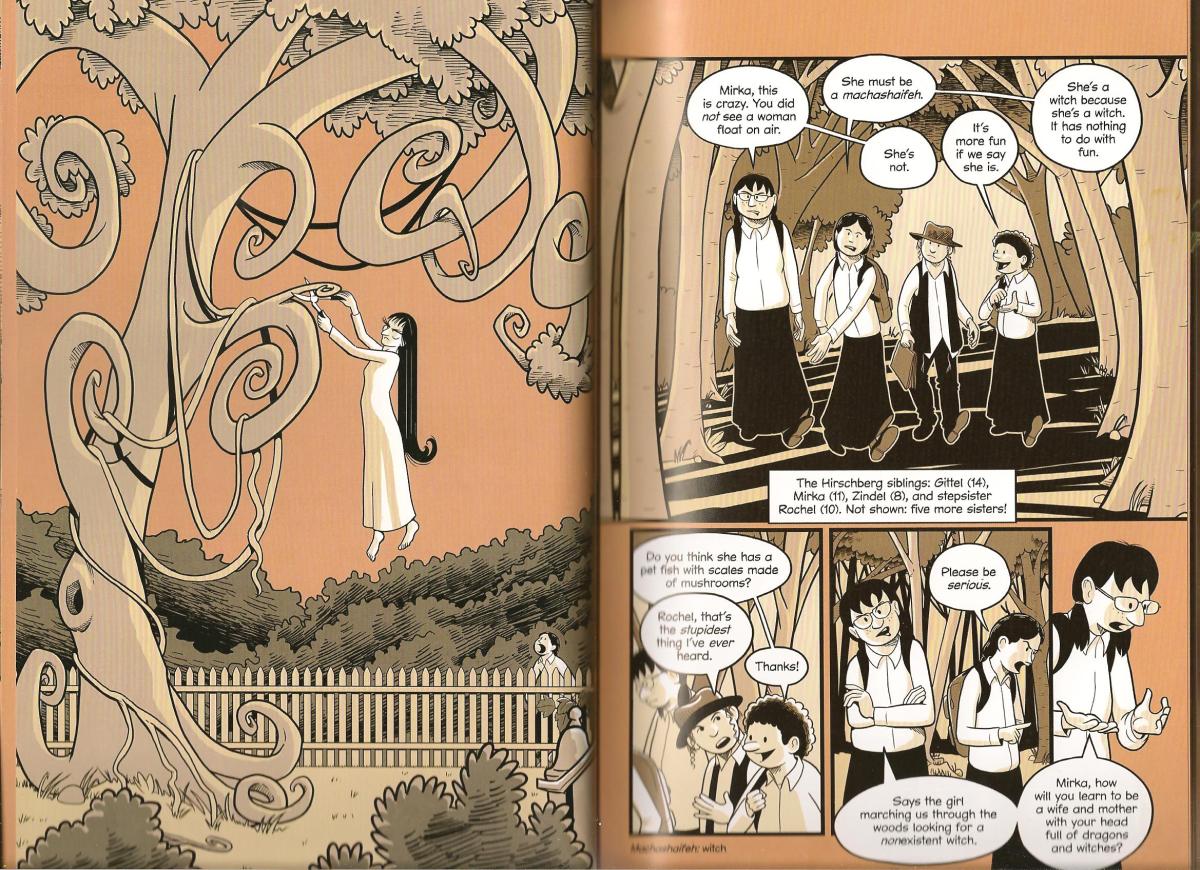
In How Mirka Got Her Sword, she encounters real magic for the first time and must outwit – and out knit — a troll.  The key to victory is as surprising as it humorous.
005
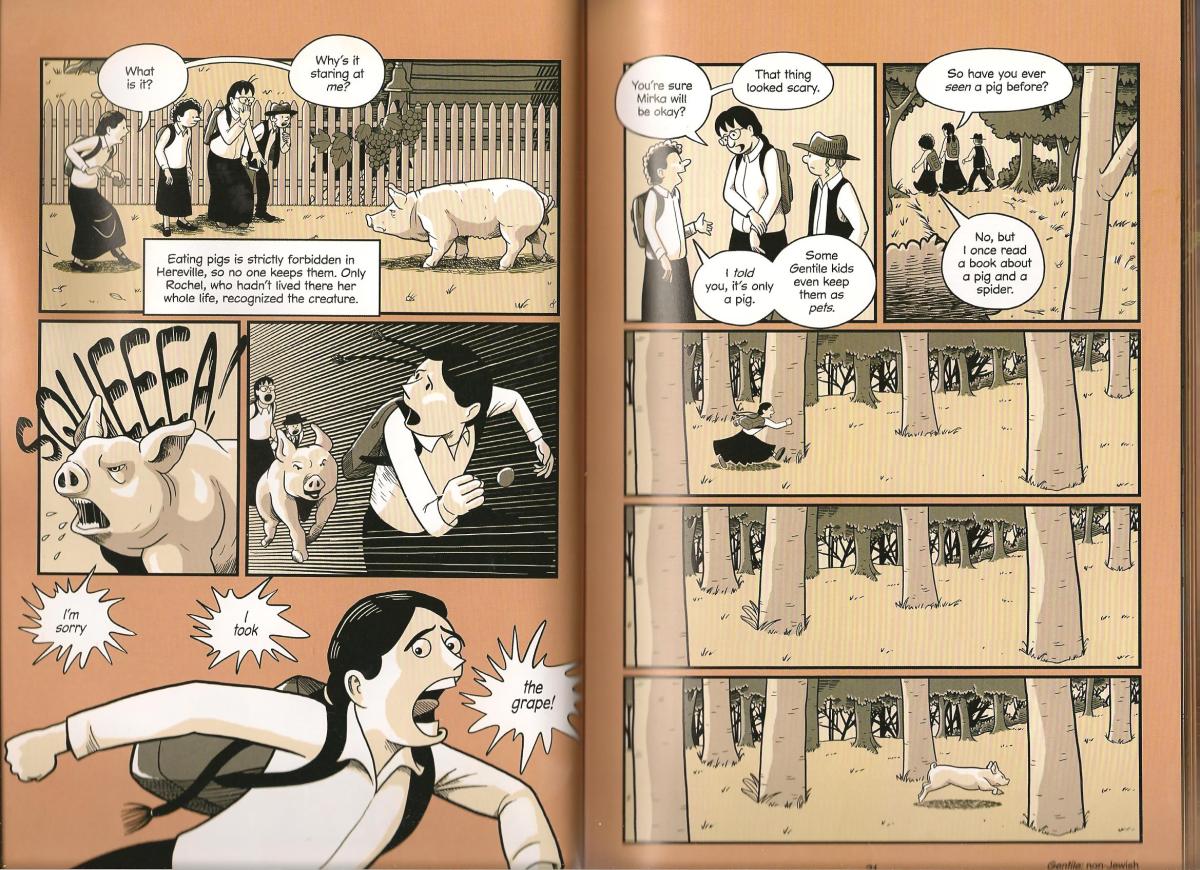
The first sign that all may not be Orthodox in Hereville
006
Mirka is chased by a strange beast after “stealing” a grape
004
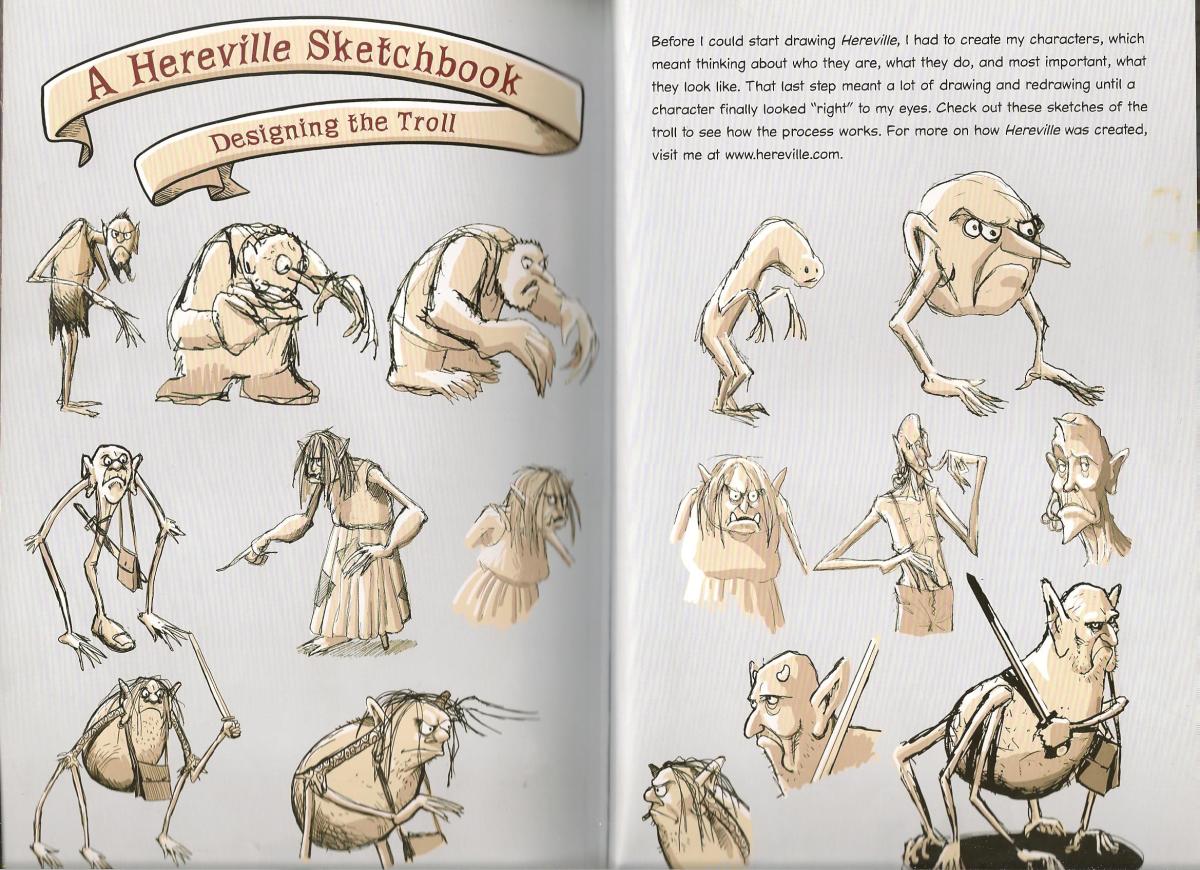
Deutsch shows a bit of his creative process


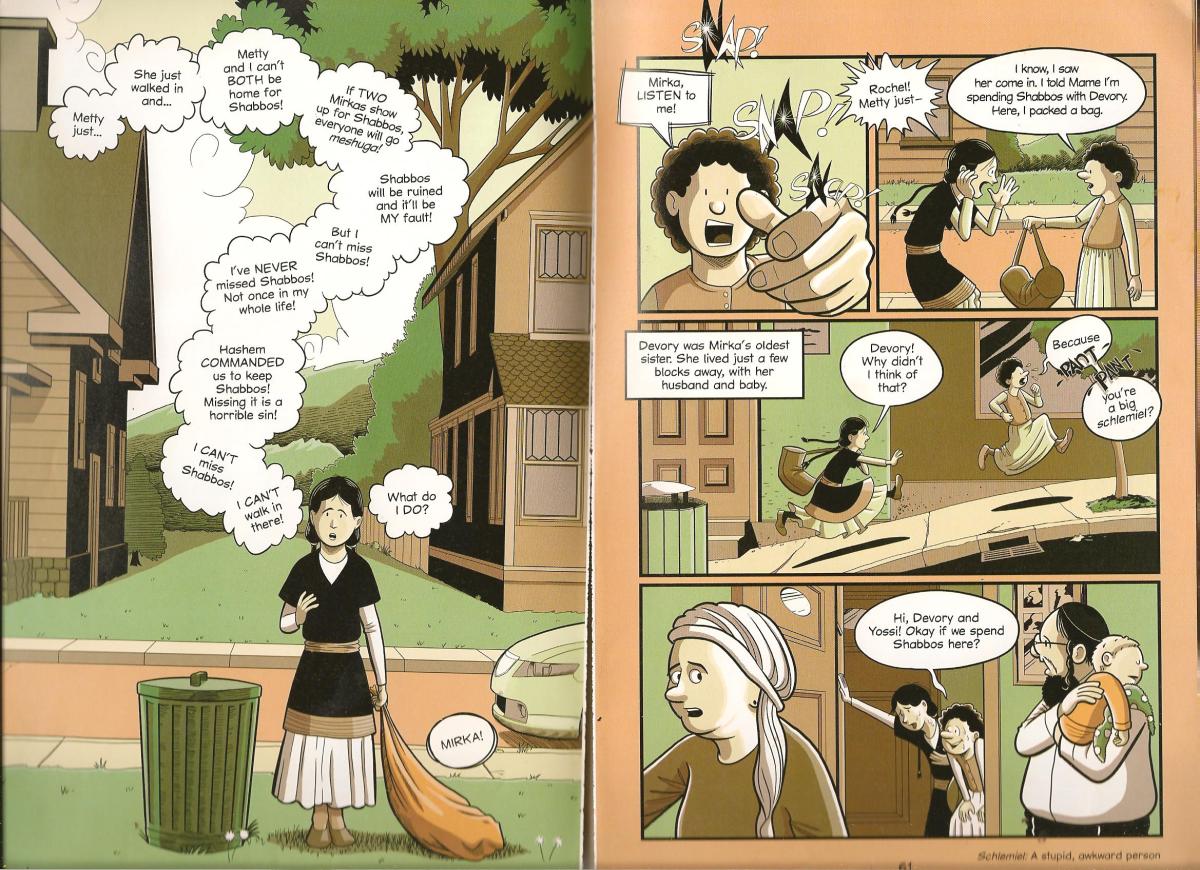
In How Mirka Met a Meteorite, she unwittingly helps bring a meteorite to life as her twin, then must figure out how to be a better Mirka than her almost perfect impersonator.

002

001
Mirka’s doppelganger has exiled her from her own house

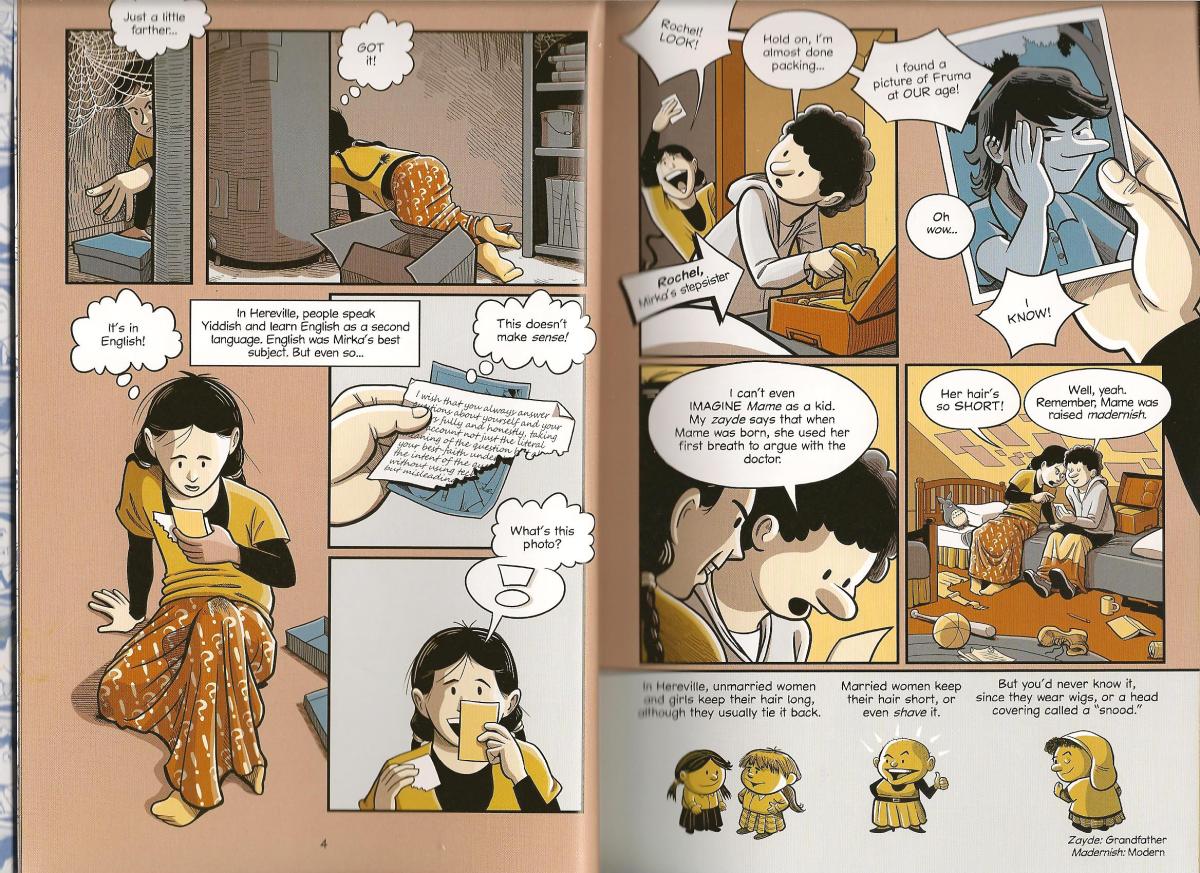
In How Mirka Caught a Fish, published last month by Amulet Books, she faces her greatest challenge – babysitting.  One would think that would be easy enough for a girl who has triumphed over so many adversaries, but she takes her little sister into the forbidden woods and rouses the ire of a fish who is on a mission to bring down Mirka’s whole family.
yiddish
A bit of cultural info
007
Deutsch can make magic with the simplest objects


hv3-preview-page
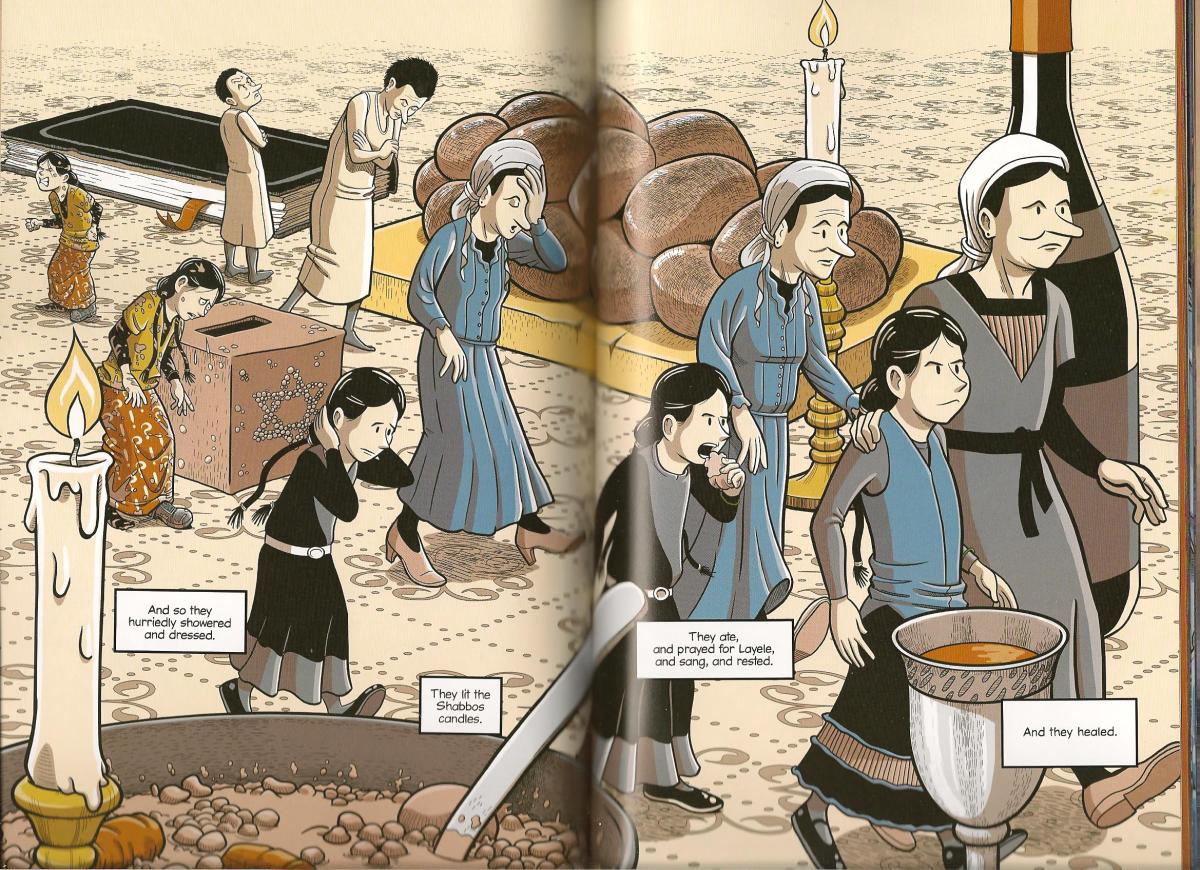
A lot is said without words

The artwork is crisp, expressive, and easy to fall into.  Layouts change and engage the reader.  The colors are warm, natural and inviting.  (Jake Richmond did the colors of all three books.)  You get a little more from the story with each re-read.

I think the most impressive thing about this series is that in its own circuitous way, it normalizes a way of life that may seem impenetrable to those of us who live outside it.  Though the adventures are fantastical, the characters seem real.  Their day to day life and the way they deal with each other shows the universal nature of family and community.  Both magic and the Orthodox belief system breathe life into Hereville and, all in all, it seems a wondrous place to live.
008

In a world where we’re being fed fear of other cultures almost constantly, this a rare and delightful gift.

I can’t wait for the next one.

You can find Barry Deutch’s Hereville website here for more information on the series and where to buy the books.

You can find more of Adrian Wallace’s work here.

Thanks for reading my blog.  If you like it, consider sharing it.
The Art of Wonder: A Book from the Minneapolis Institute of Art

I don’t remember a time when I didn’t enjoy going to museums.  My earliest memory of a museum is the natural history museum in the old Pink Palace in Memphis, where I could see dioramas of cave people and the bones of ancient creatures.  What an amazing world it offered for my childlike mind to ponder.  Big bones and tiny stones were on display, each magnificent in their own way.

When I went to museums on field trips in school, I always lagged behind and longed to get lost in the various rooms.  When I got engulfed by a painting, I no longer wanted to be part of the chattering school pack.  I wanted many moments to look at the particular way light and color made shapes and stories in my mind.  I learned early in my adult life to never go on a guided tour.  If something captured my attention, I wanted to spend a long time looking at details, to get lost in what was before me, let it open my dreaming mind and give me a sense of wonder.

I’d like to go on a museum tour of the world, but that’s probably not going to happen.  I love it when museums publish comprehensive catalogs that allow me to take home an exhibit and revisit it.  Or to order a catalog and see it from afar, to have it to hold in a book.

So I was delighted to find the book The Art of Wonder: Inspiration, Creativity, and the Minneapolis Institute of Art, published this year by the University of Minnesota Press.

002

“The Minneapolis Institute of Art opened its doors on January 7, 1915. 

                “We determined to mark the museum’s 100th anniversary with a book.  But what kind of publication should it be?  The museum’s founding, its visionary patrons and leaders, and its previous 99 years of existence have all been addressed elsewhere.  On the other hand, the certainty of mission and the clarity of vision that has emerged over the years – shaped, tested, and strengthened by the almost incalculable changes of the last century – is something really worth talking about.  Why are we, the Minneapolis Institute of Art, here?  What place do we have – what place will we have – in the life of our community?  What is the role of art in the lives of 21st-century citizens? …

003


                “And so the purpose of what became known within Mia as “The Birthday Book” came into focus:  like the museum it is meant to reflect, it would speak to the power of art to provoke wonder; to inspire creativity; to comfort; to shock; and to provide the language to say new things.  The book would not be a dry retread of old photos and anecdotes, or lists of collection highlights, but something much more lively: an anthology of the best fiction, essays, graphic storytelling, thought pieces, and photography that speaks, however indirectly, to the power of creativity, curiosity, and wonder.  We would turn the book over, in other words, to the creators – not to talk about our vaunted past but our true lifeblood, which opens a window onto the human experience even as it enriches it.”

001

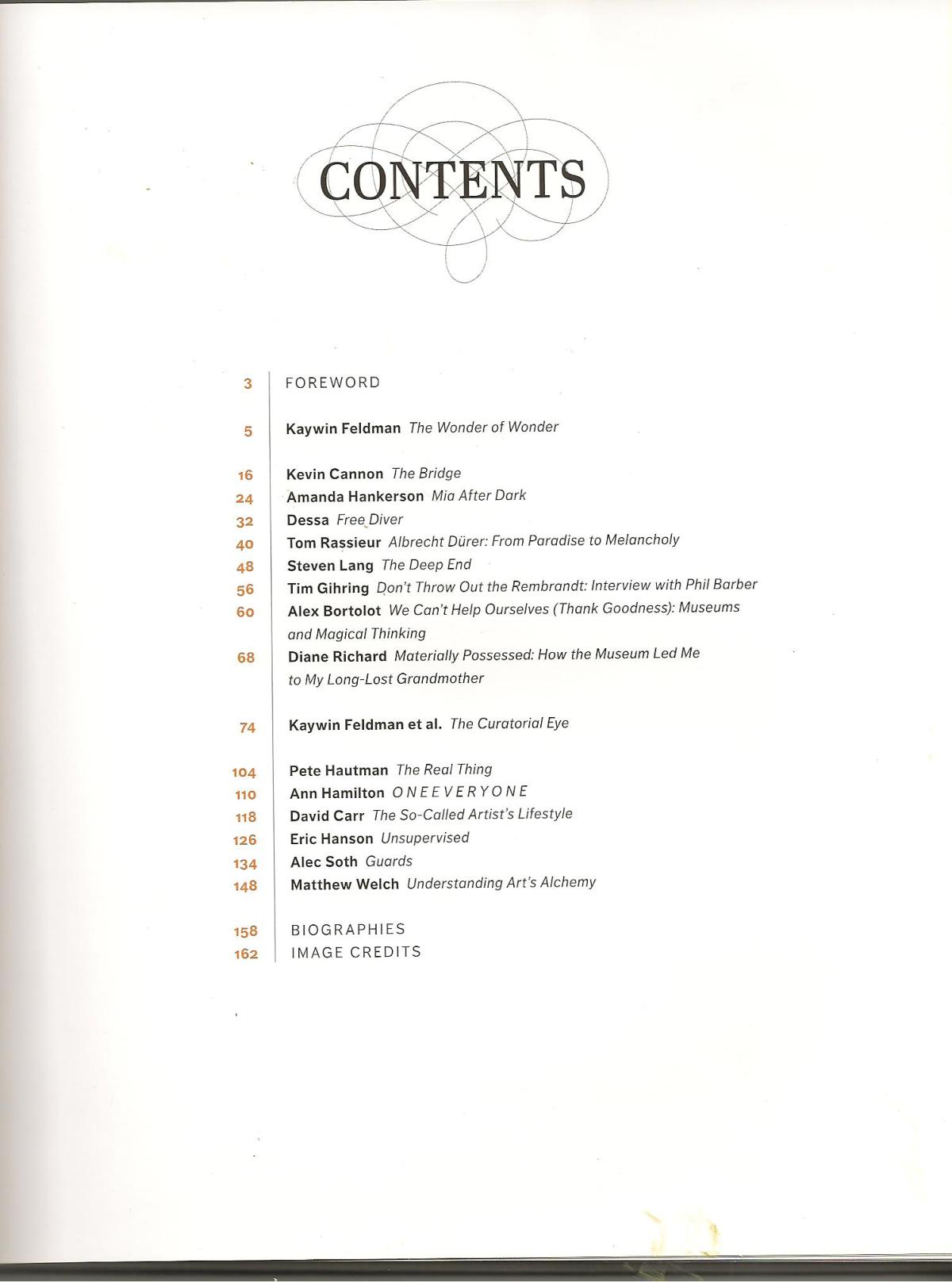
Contributors to this project include Kevin Cannon, David Carr, Dessa, Ann Hamilton, Eric Hanson, Pete Hautman and Alec Soth.  Additional authors include the director, curators and staff of the Minneapolis Institute of Art, experts in their fields, on the objects of their affection and wonder.

008

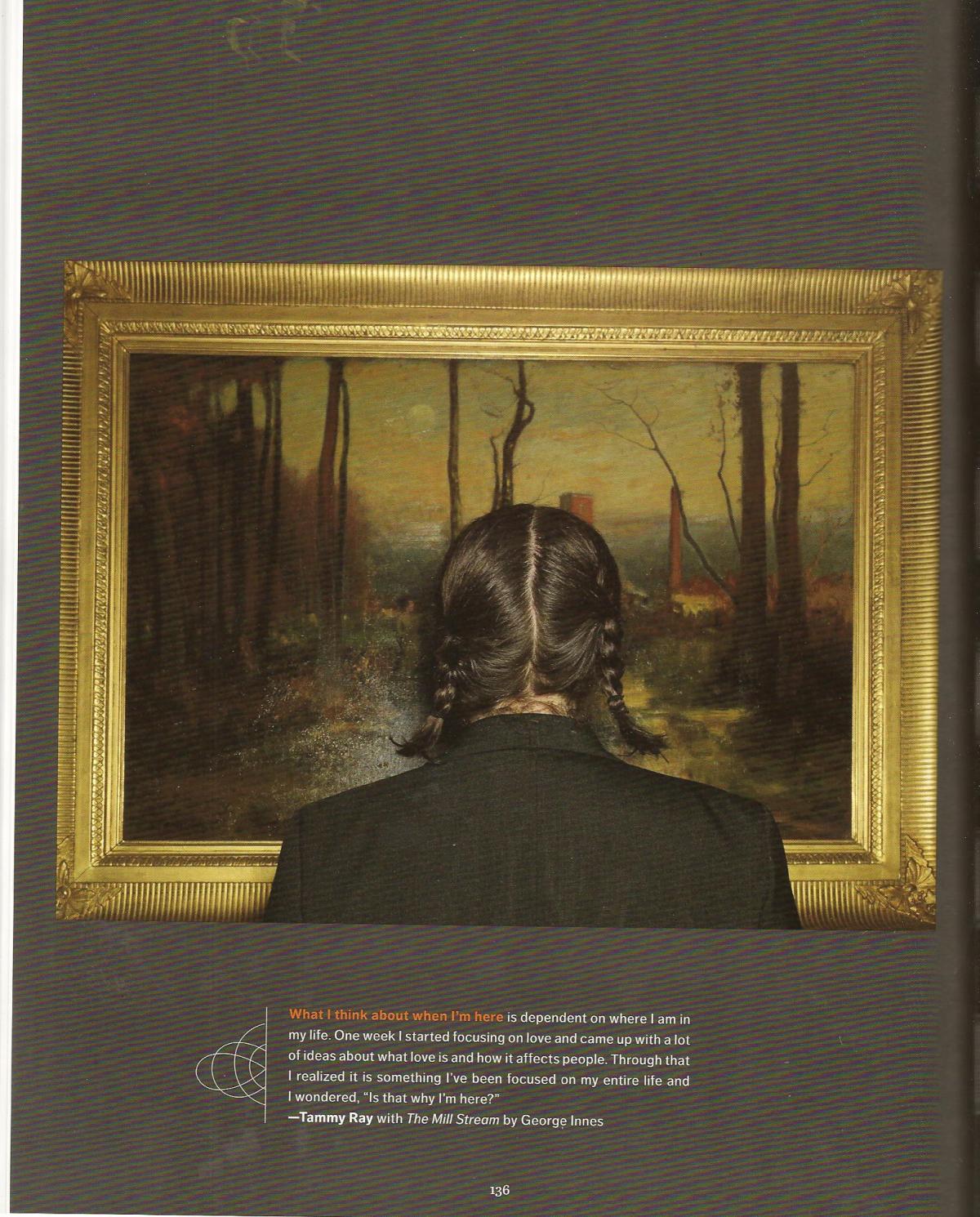
One of the more interesting photo essays is by Alec Soth, who asked the guards what they think about on the job.  In 2014, he placed them close to their favorite artworks so that they almost merge with the work itself.

wonder


During a residency at Mia, Ann Hamilton photographed the museum staff behind a translucent screen holding a beloved object from the collection.

004


The book opens with a wonderful essay by Kaywin Feldman, The Wonder of Wonder:

“A moment of wonder is a moment of possibility.  The encounter is not just a space of not knowing, but also not comprehending the boundaries of what is not known.  It is the possible limitlessness of the encounter that is both exhilarating and sometimes discomfiting.  In this vastness one becomes aware of a world much bigger than oneself.”

005

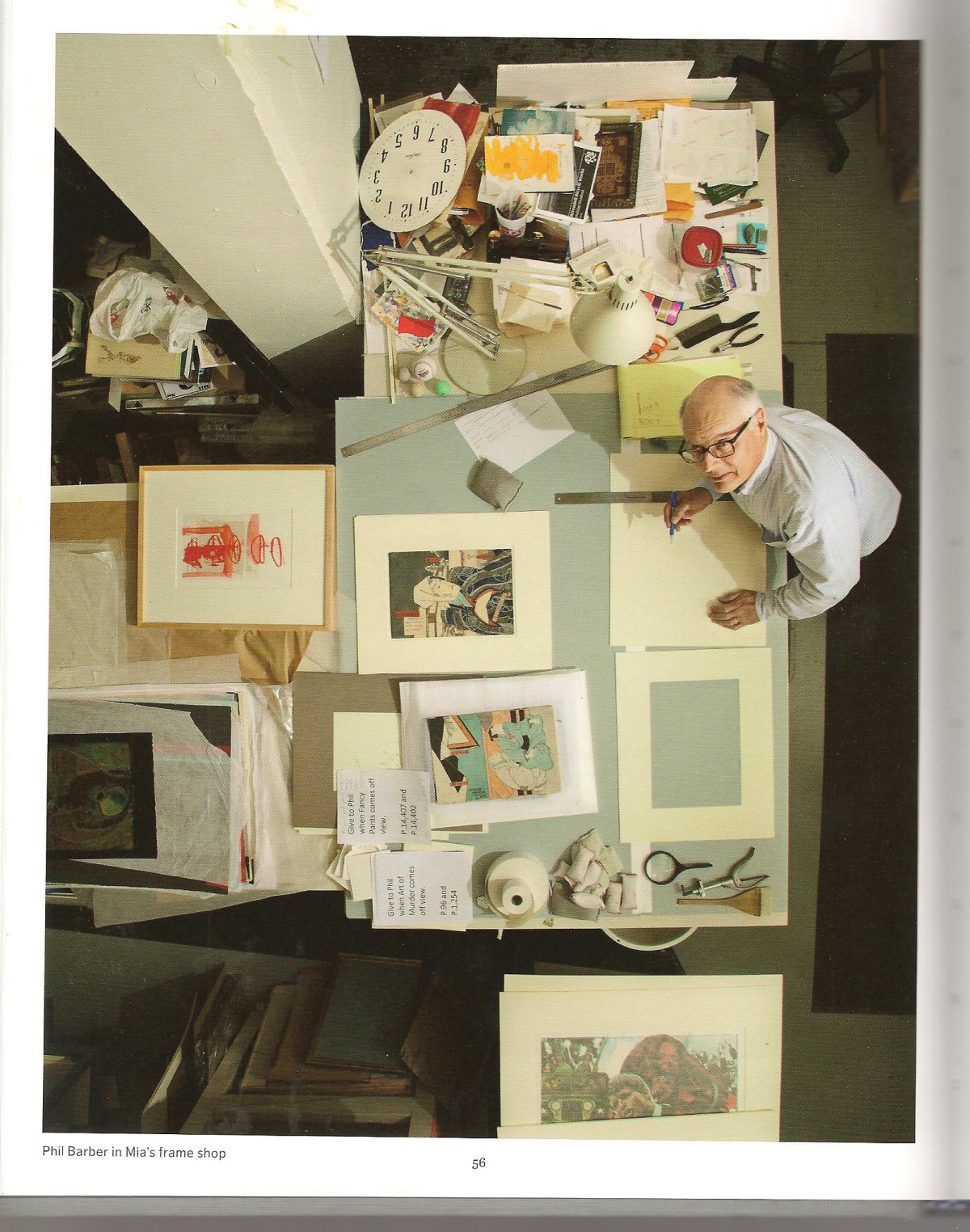
There are many delights to be found in this book – fiction, essays, and lots of great photos of art.


009
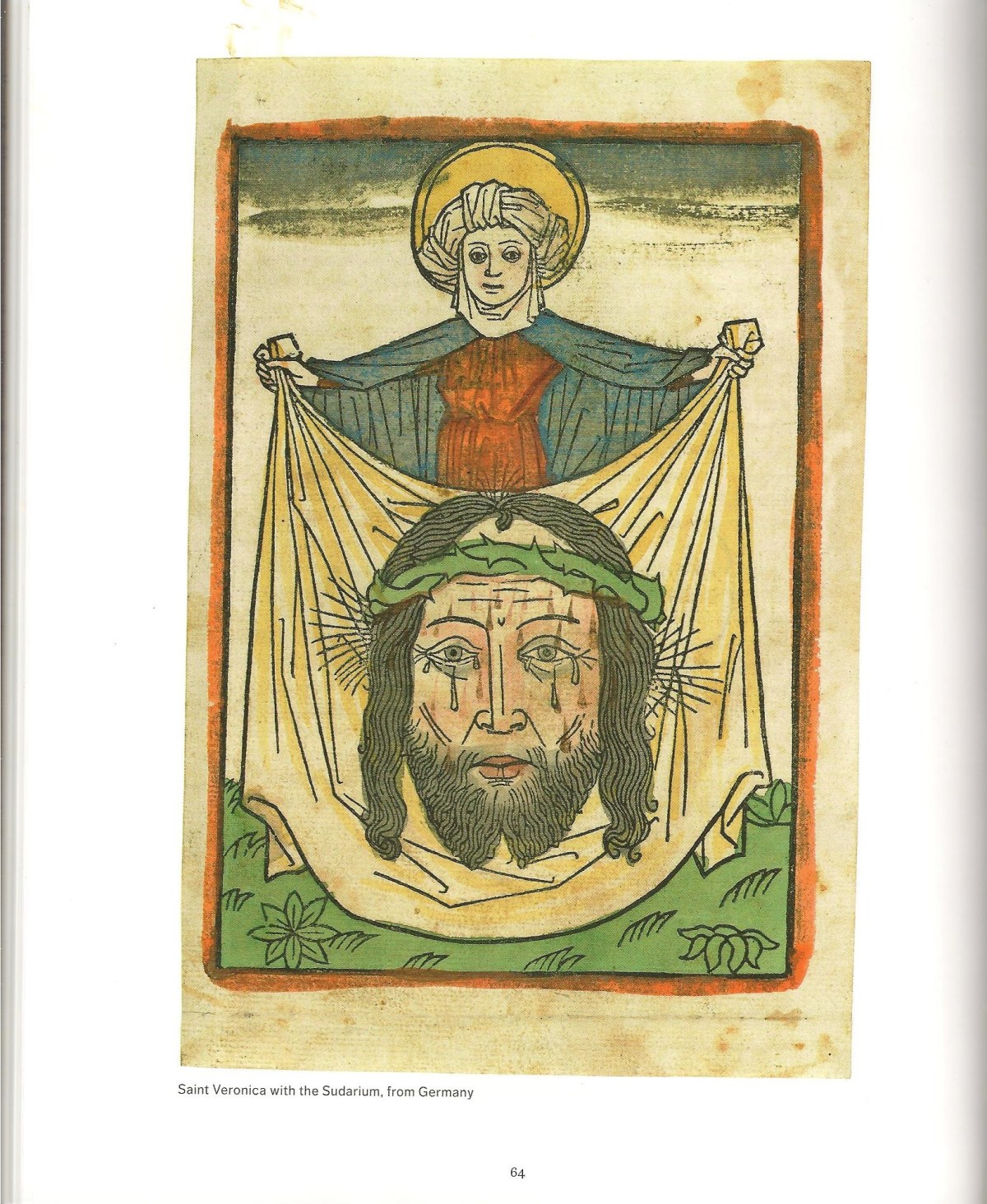
Saint Vernoica with the Sudarium from Alex Bortolot’s essay Museums and Magical Thinking
006
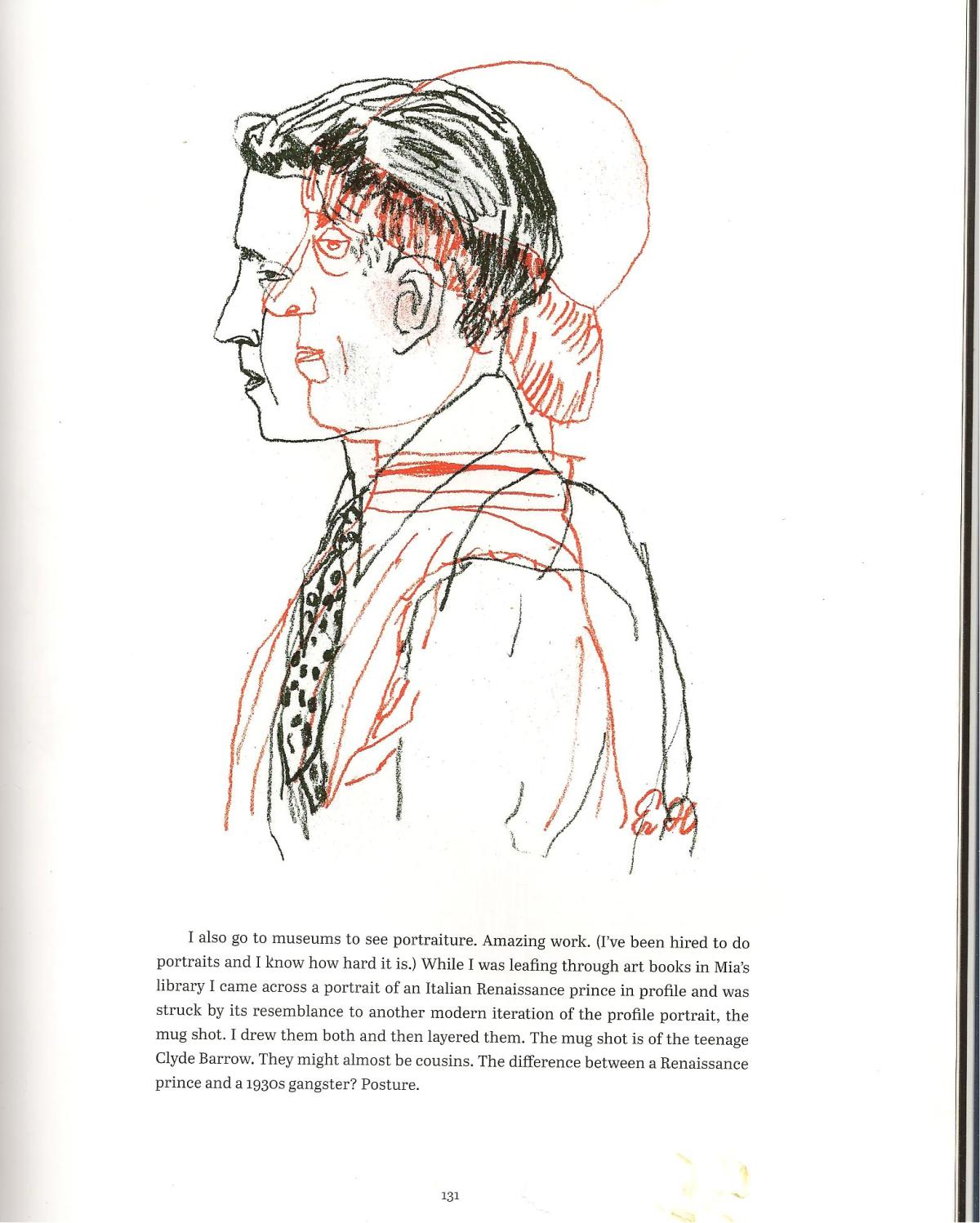
Eric Hanson’s sketches from the essay Unsupervised
011
Fantasy Coffin by Sowah Kwei


It’s a thoughtful and wide-ranging expression of what I’ve felt since I saw those first beautiful bones and paintings in museums as a child.  Reading and exploring the book is like entering the waking dream that a good museum offers.  It reads like a series of rooms, turning pages like passing through a doorway then finding a whole new world to ponder.

012
From the essay by Albrecht Durer by Tom Rassieur
007
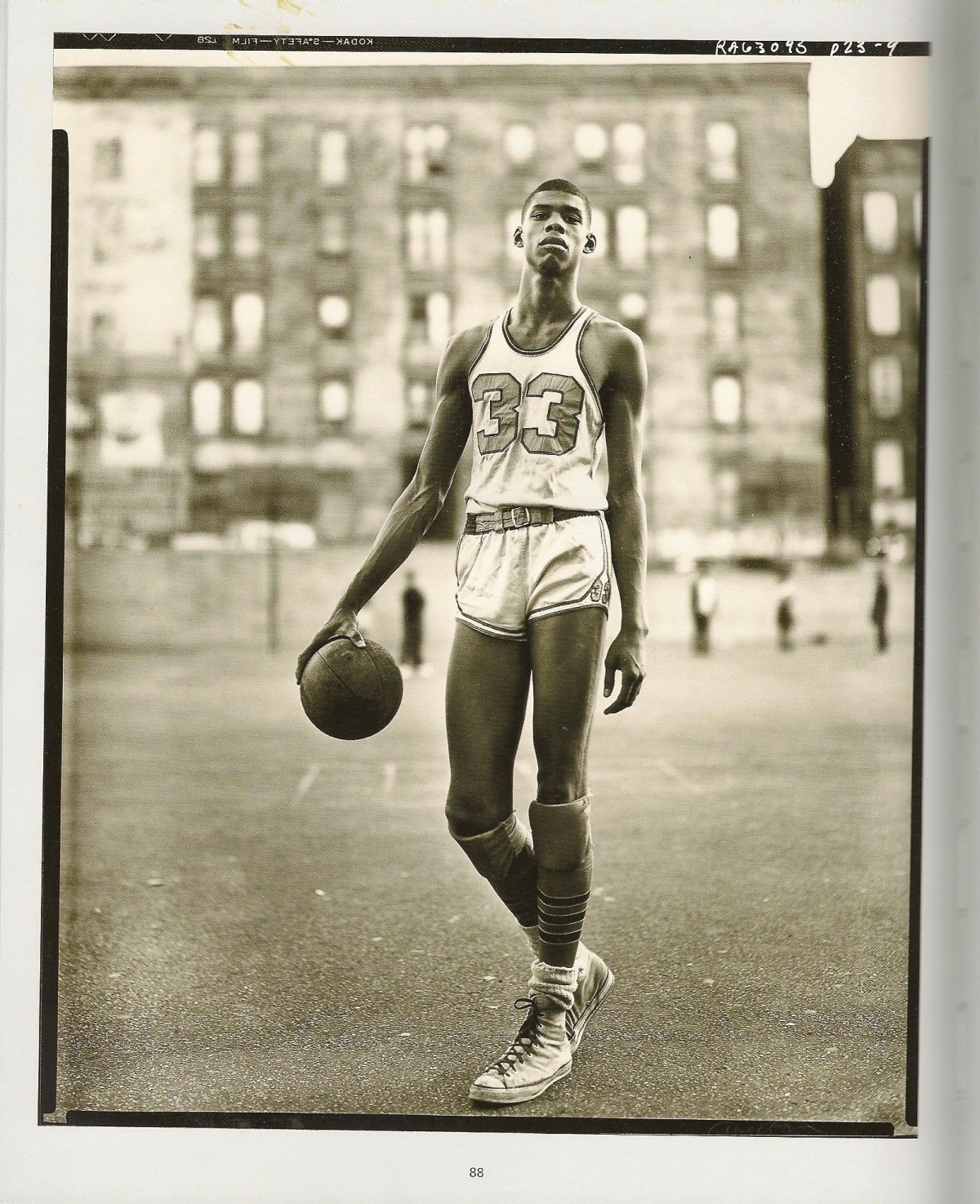
Richard Avedon photograph from 1963

And if I never get to the museum itself, I know I have a bit of its soul on my book shelf, to open and explore again and again.

010


Thanks for reading my blog.  What’s your favorite museum?

Shaun Tan’s Astonishing Worlds

Around this time of year people start compiling lists of “Bests” but I can never decide which is best. I love so many things. So I’m just going to repost from the past year things I love. Here’s a post on Shaun Tan’s work. :

Joy Murray's avatarjoy murray art~stories~life


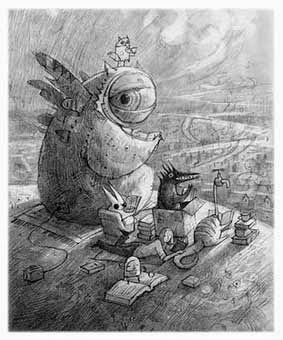
If you haven’t yet read the works of Shaun Tan, do yourself a favor and get to the nearest bookstore or library and partake of the feast of stories and images he offers.He is quite possibly my favorite writer of illustrated books.  I hesitate to call him a children’s book writer, although that’s how he’s marketed.  But like many writers pushed into that category because markets are so narrowly defined, he is a storyteller for all ages.  
I think as we age out of picture books and take on the allegedly more serious task of reading only text, we begin to lose some of our visual literacy.  We become blind to the images and wonder all around us.  Adults watch television and movies, we play video games and read on-line reports rich with photographs, but we deny ourselves the “childish” pleasure of reading…

View original post 878 more words

The Limits of Gratitude

20151011_184003

I remember the Thanksgiving I began the tradition of asking everyone at the table to tell something they were grateful for.  Before then, we might have said grace or not, depending on who was there.  My extended family’s spiritual practices ranged from out and out atheists to Southern Baptists.

I didn’t have a particular religion, but I was spiritual, whatever that means.  I was in my mid-30s.  My two children were 9 and 10, I believe.  I don’t remember who in the extended family was there, except my younger brother.

He was around 30 and had been dealing with schizophrenia for about a decade, mostly through denial.  We were all in denial.  I’d hoped that the prompt would help him find something inside himself to be grateful for.  He was an incredibly creative and energetic person at times.  I wanted him to see that in himself.  Or to be grateful that he had a place to live, or for the food we were eating.  Something.  Anything.

When we got to him, he scowled and muttered that he had nothing to be thankful for.

“Nothing?” I asked.

“Nothing!” he said.  It broke my heart.

My gregarious and kind husband relieved the tension by talking about being thankful for family and food and some other things.  I’d had lots of experience covering up a broken heart, so it was easy to get on with the festivities.  My brother left after he ate.

I think he only spent one more holiday with the family, but each Thanksgiving, I remember that scowl and statement.  I’ve actually become grateful for it.  It reminds me that gratitude has its limits.  It’s taken me years, but it taught me that I can’t brush away, cure, or repair the darkest parts of life.

Minds, hearts, and bodies are so fragile.  Those who appear strong have invisible cracks and fissures on their souls that no amount of gratitude or denial can repair.  But we keep breathing and moving forward.

Unbearable things happen and we must carry them.  Some of us do it with grace, some of us with anger and despair.  I’ve carried my burdens both ways.  Sometimes I think anger and despair is the more authentic reaction, but the more I intentionally practice gratitude, the more I realize there are an infinite number of invisible forces helping me bear my burdens.

Since that Thanksgiving, my brother died a sad and lonely death, my own health has deteriorated from a disease called Transverse Myelitis that has compromised my strength, energy, ability to walk, and my ability to have a job.   Other loved ones have died, have suffered injuries and losses.  Wars have continued to mar and scar the world.  We rush blindly toward our own destruction.

20151106_155053

And yet, and yet…I’m more and more grateful for the challenges and heartbreaks I’ve experienced.  I’m so much more aware of how one thing carries the other, how we are always in darkness and light, always fully alive but stumbling toward the mystery of death.

The book Waking: A Memoir of Trauma and Transcendence by Matthew Sanford, is the story of the author’s journey to healing after being in a horrific car accident when he was 13.  His family’s car skidded off an overpass, killing his father and sister and leaving him paralyzed from the chest down.  A quote from him that I hold close to me is:

“When I ‘left’ my body during my traumatic experiences, it was my body that kept tracking toward living.  It was my body that kept moving blood both to and from my heart.  Often, as we age and can no longer do what we once could, we say that our bodies are failing us.  That is misguided.  In fact, our bodies continue to carry out the processes of life with unwavering devotion.  They will always move toward living for as long as they possibly can.”

20151106_155112

My life seems dark at times and I think I can’t bear another challenge.  I’ve learned enough, thank you very much.  Nevertheless, more challenges are coming for me.  As long as I walk this earth, along with every other human, I’ll struggle with loss and sorrow.

So my work is to not let it blind me to the beauty of nature, the cycle of seasons, the comfort of good friends and the blessing of a roof over my head.  I have to make an effort to balance the light and the dark.

A week ago, I was talking to a child in the neighborhood about being caught out in a rainstorm.  She said, “I saw you!  You were talking to a plant.”

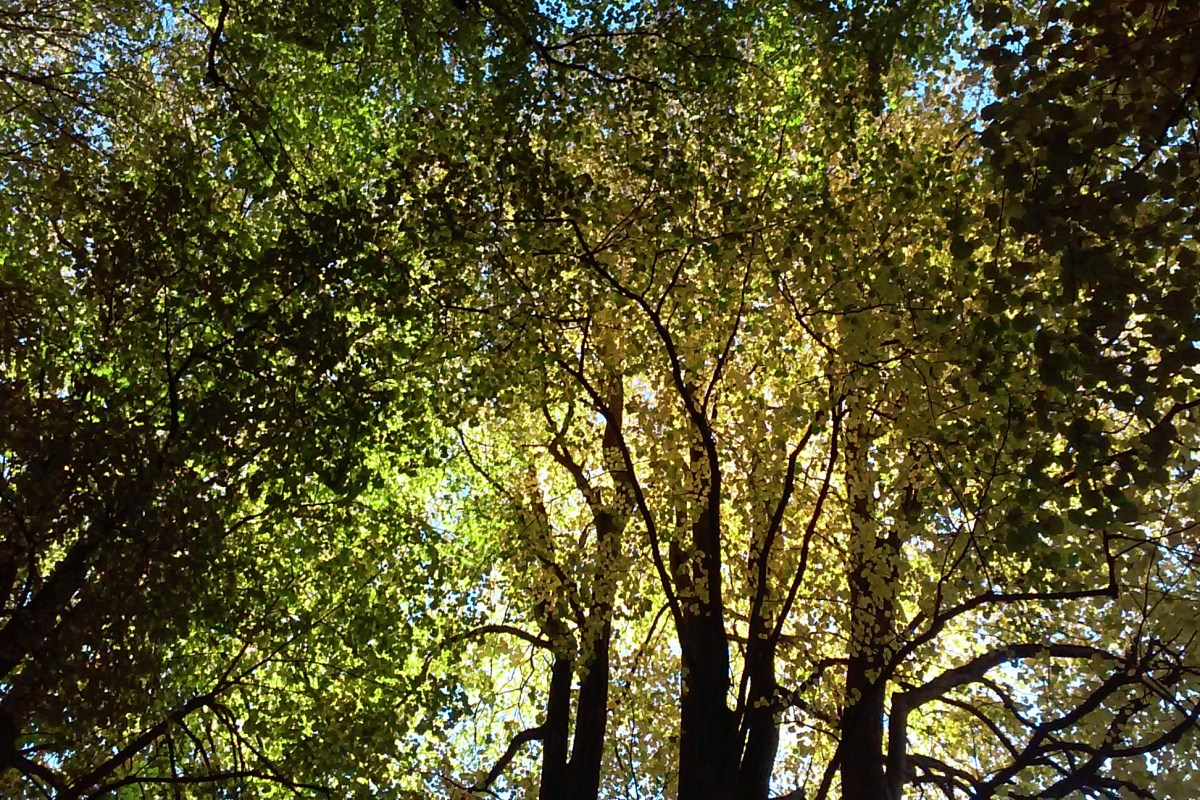
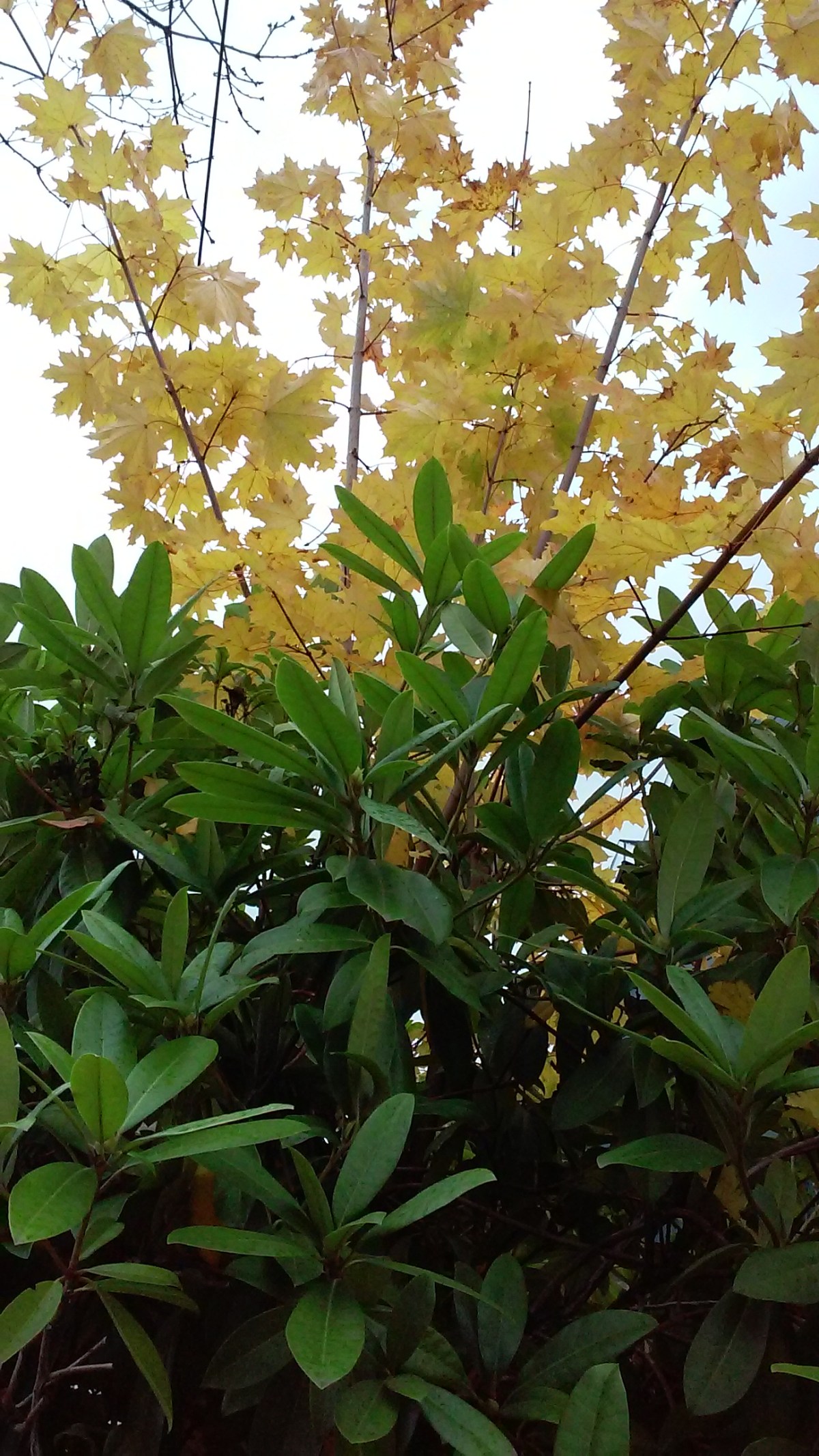
I laughed.  I was actually taking a picture of a maple sapling growing from the center of a rhododendron bush, but I was in fact, talking to a plant.  Or communing with it.  Capturing it, too, treasuring it.  It was a thing of beauty on a cold stormy day.  I’m glad I didn’t keep my head down in the rain and miss these growing things.

20151116_142643

I know one day, my life will be over, and I’ll flit away into the mystery.  While I’m here, I’ll continue to pay attention when I can, and cry when I need to.

I’m mortal.  That’s the thing I’m most grateful for.


I’ll end this with a link to a lovely review by Maria Popova on Brain Pickings of a posthumous collection of Oliver Sack’s essays that he wrote while he was dying, aptly titled Gratitude:

https://www.brainpickings.org/2015/11/24/oliver-sacks-gratitude-book/

Thanks, my friends, for reading my post.

Spring Redemption