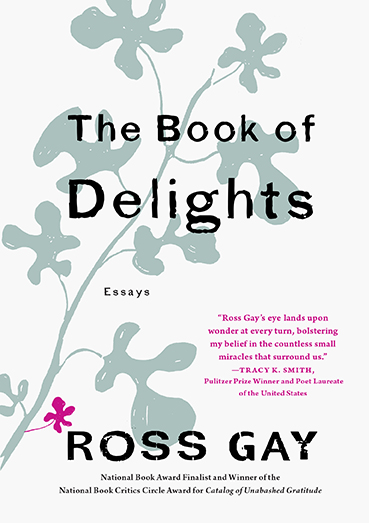
Ross Gay’s Delight and My Digressions

At some point in the last two weeks I started read poet Ross Gay’s The Book of Delights. I’ve known since my 20s I need to cultivate delight in this confusing world, and have read Diane Ackerman’s book Cultivating Delight, about her garden, and her reawakening book A Natural History of the Senses. I’ve read many books on keeping hope and delight alive over the years. I need all the help I can get remembering that there is so much goodness in this world.

I try to keep a gratitude list when I find myself caught in the jaws of depression; although sometimes it takes awhile to finally look up and practice that medicine. Depression makes me forget. I forget all that is amazing about life. A veil falls over my eyes, I can’t see clearly. The weight, all the weight of all the wounds in my life, all the mistakes I made (make), take form and it feels as if I’m dragging them along with my every step.

The day before I started reading the Book of Delights, I’d felt that weight start to lift. (It doesn’t really go away, but somehow becomes airborne, troubles are inflated, still tied to me, but so light I hardly notice them, they are buoyant, I feel almost like they’re going to lift me off the ground, make me fly, with the power of pop song, with my beautiful balloons. I have to question it, and every strong emotion — is this really good or bad, or is it a chemical imbalance? I think a state of grace comes when I’m grounded, balanced — my history and mistakes are braided together strong as the bones that support me. Because all paths lead to here — and if I judge myself too harshly, give too much weight to my mistakes, I don’t remember that life is a learning experience, so hard heavy things I go through leads to here, to this hopefully stronger wiser self.)
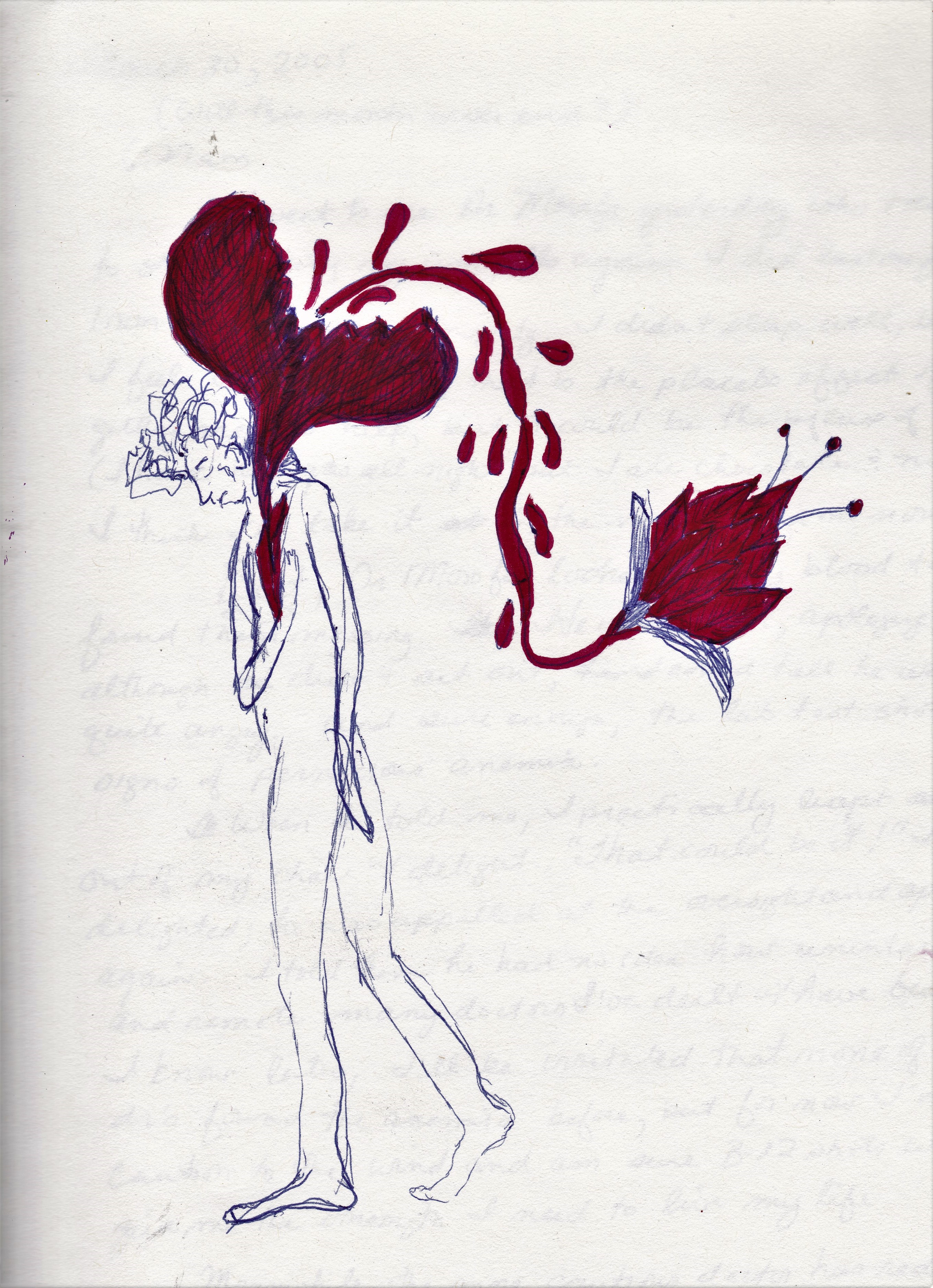
a journal sketch in ball point and marker from 2005 when I was trying to draw my way out of a depression

Ross Gay decided to write an essay on something delightful every day for a year.

“I came up with a handful of rules: write a delight every day for a year: begin and end on my birthday, August 1; draft them quickly; and write them by hand. The rules made it a discipline for me. A practice. Spend time thinking and writing about delight every day.”

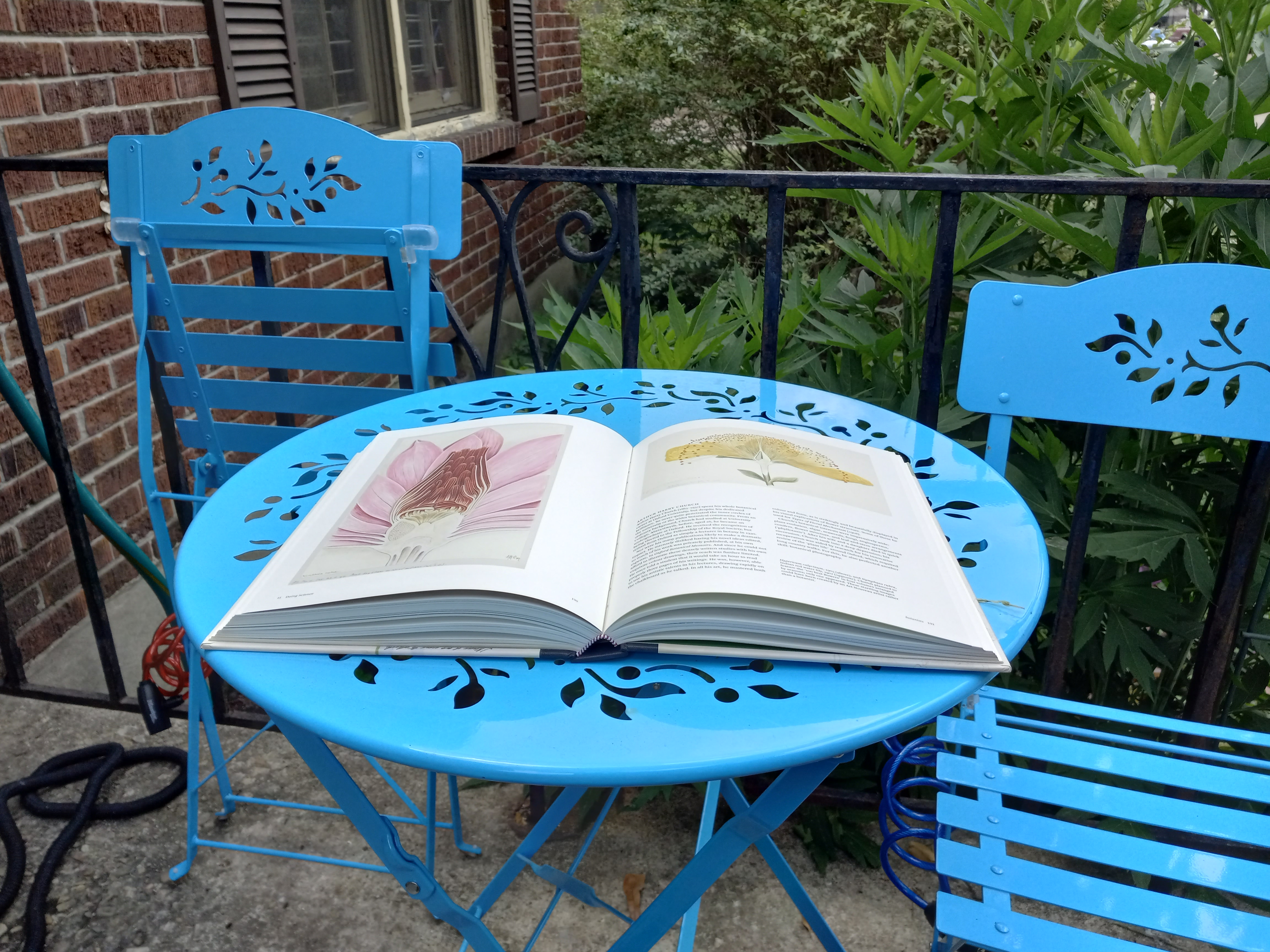
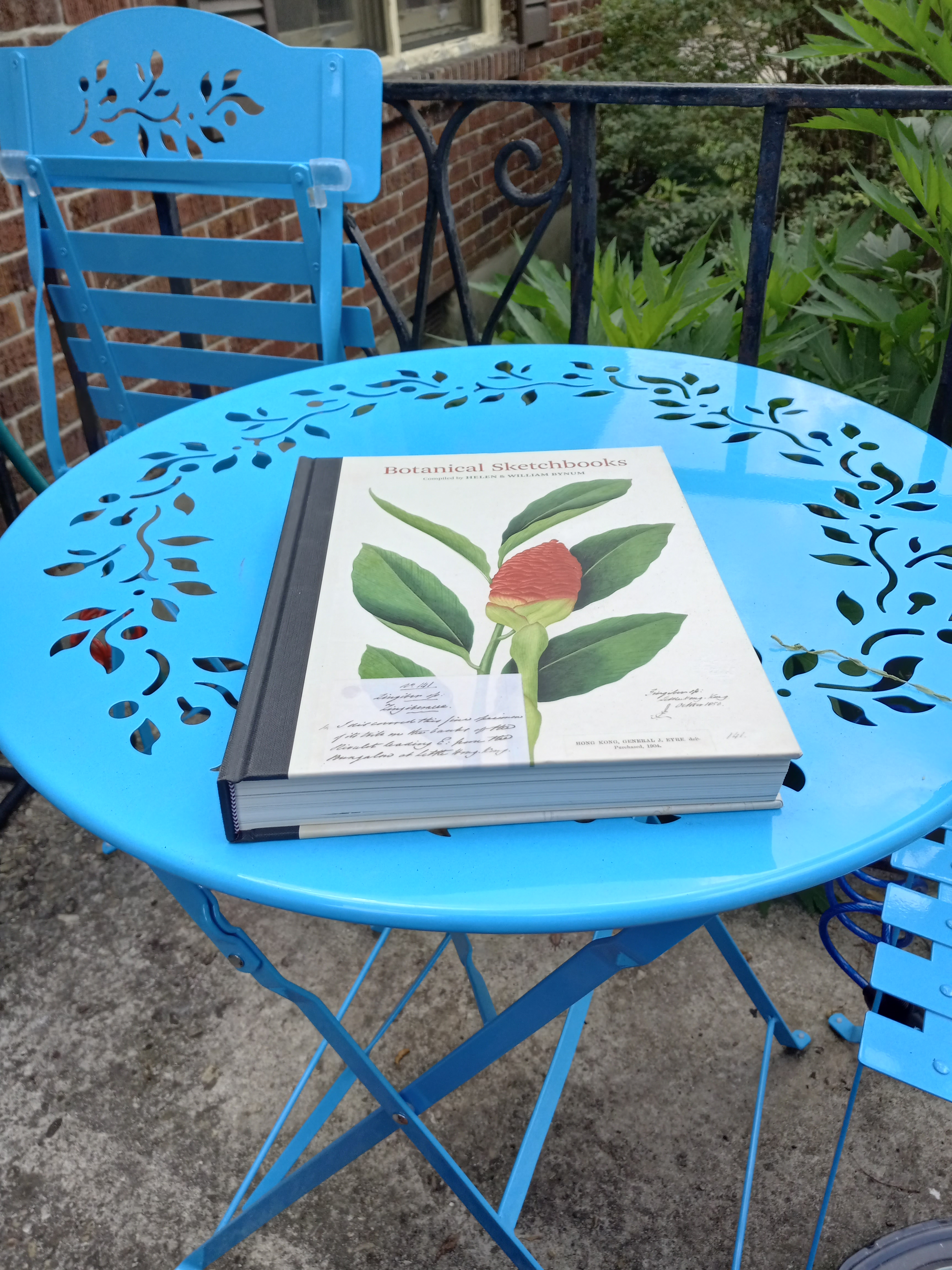
I read this on my porch, the book on my cellphone’s Scribd library app, in the palm of my hand. (I like reading books on my phone or kindle because they don’t strain the arthritis in my hands. I read most books this way now — unless they’re illustrated. I want to see the full glory of the combination of illustration, paper, print — the heft of illustrated/art/children’s books.)
Gay wanted to write by hand for several reasons, but the one that delights me was that if he wrote on computer, “it would have less of the actual magic writing is, which comes from our bodies, which we actually think with, quiet as it’s kept.”

I read that and POOF the last traces of my bout of depression vanished. My whole body became something more than it was before. There among the flowers I’ve planted, the little blue table where I set my drinks and my illustrated books, in the warm afternoon, when the sun goes behind the shade tree, I let delight invade my body.
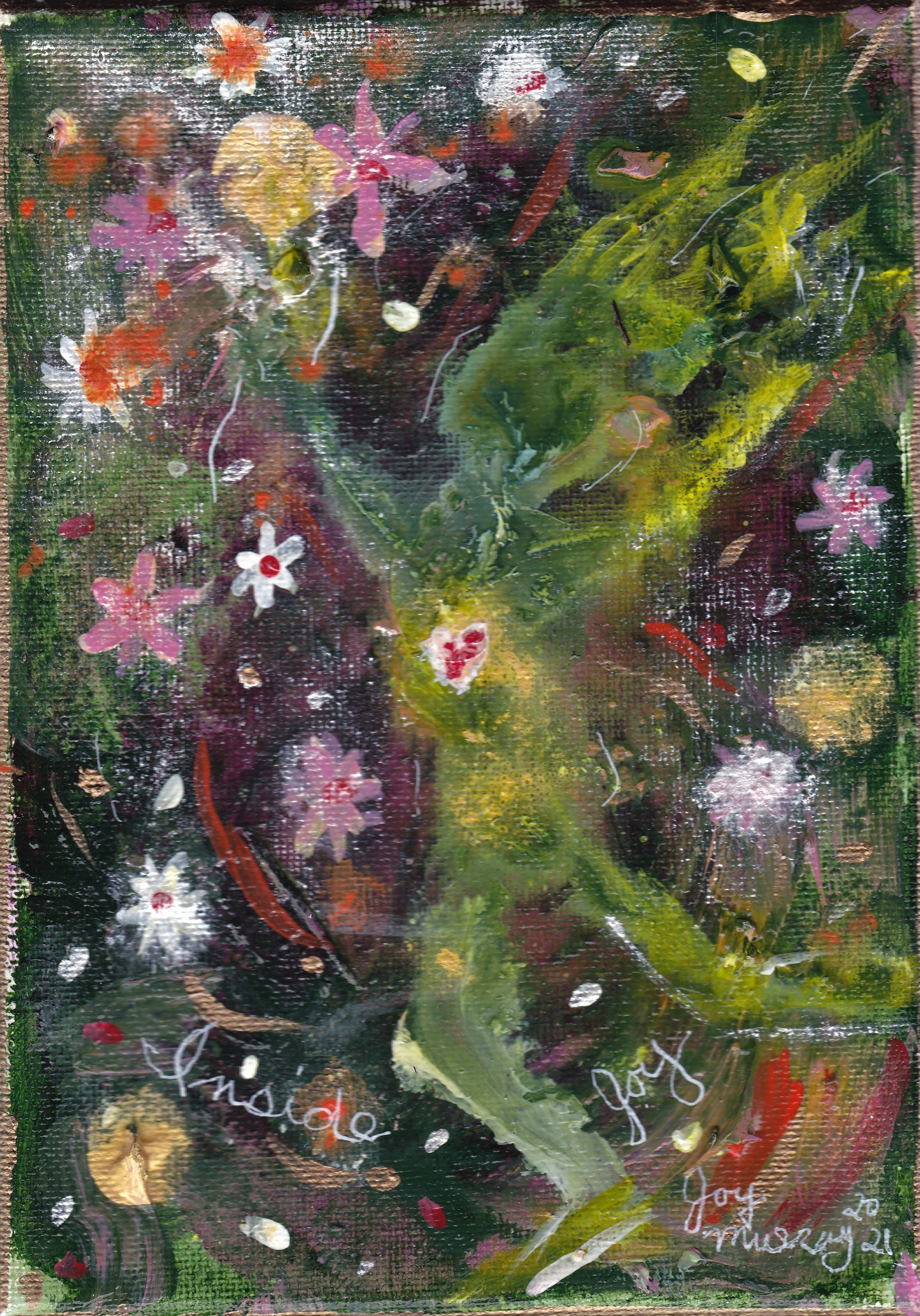
I write by hand almost every morning. During the COVID quarantines I had a long lapse of not writing or painting. It was a manifestation of depression but also the darkness of winter, the minimizing of hope, the glorification of anger, the denial of racism, the doom theme of practically everything I read online.

Then I decided to reread Asta’s Book by Ruth Rendell under the pseudonym Barbara Vine (do we all need secret selves?), which I read in the 1990s. I could remember parts of it vividly, but not really what it was about. In it, the character Asta wrote so lovingly about her friend, her non-judgemental, accepting of every mood and indiscretion friend — her diary. I took up my own handwritten journal practice again, puzzling out my days.
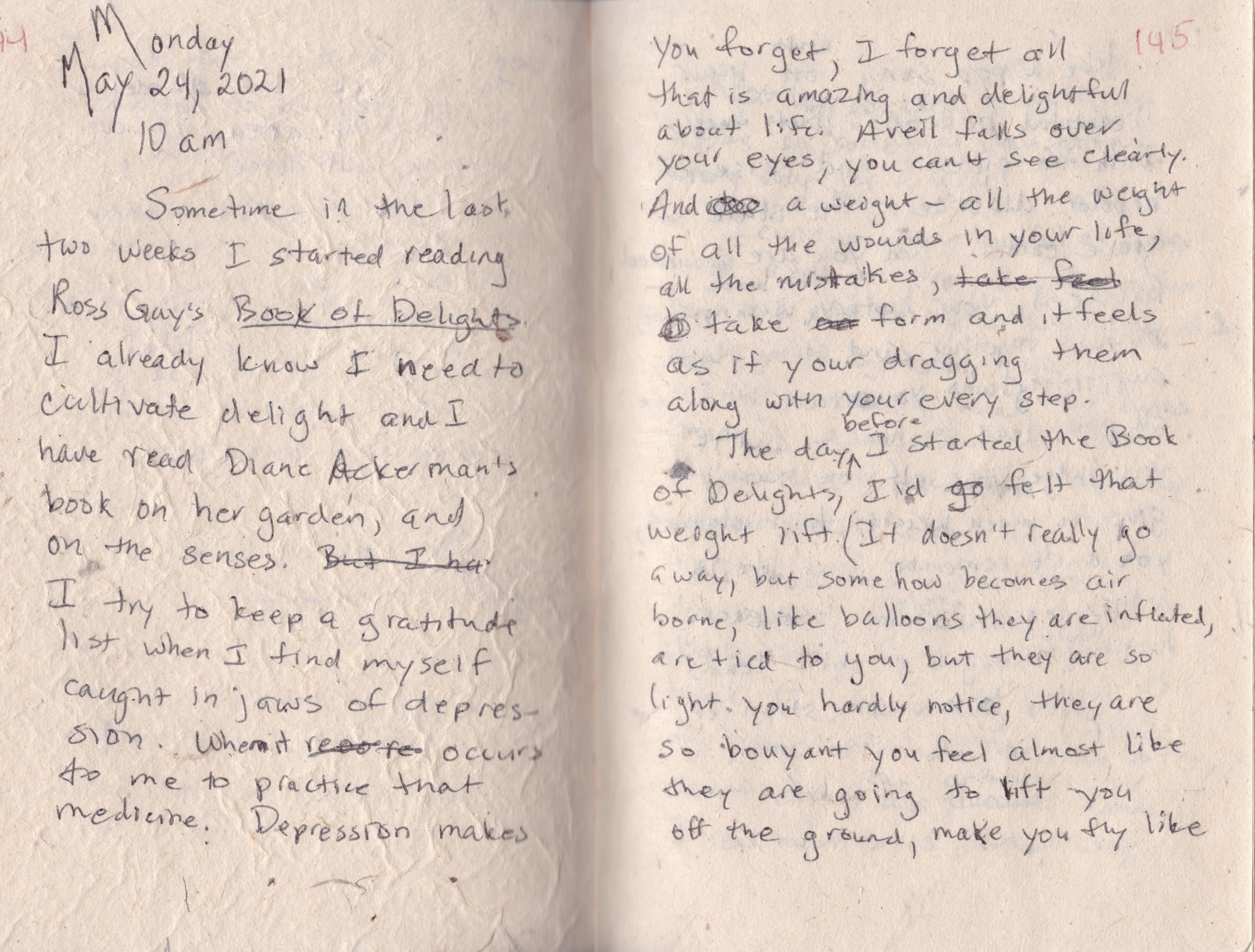
This morning hand written journal of this post — much sloppier and partially in 3rd person

And though I try to write about gratitude, and I try to uplift myself, and use the medicine of language to deal with my disorders and distresses, I also need to write about undelightful things, things I’m not grateful for at all.

Gay wrote an essay on bad dreams — gross bad dreams and the terrible beast of subconscious sexuality. I’ve had such dreams, and they fill me with shame and fear. But Gay finds delight in waking from them. “Very few things have been as delightful as when I woke from that dream, let out a groan, shook off the grossness and shouted Thank you! Thank you! to no one but me.”

Yes, yes!

When I get that floating balloon feeling after a depression, I almost feel grateful for my bipolar disorder, to experience the darkness, then wake up, back to myself, in my degenerating old body, where around me so many things are growing, and far away someone I don’t know is writing and sending delight my way.
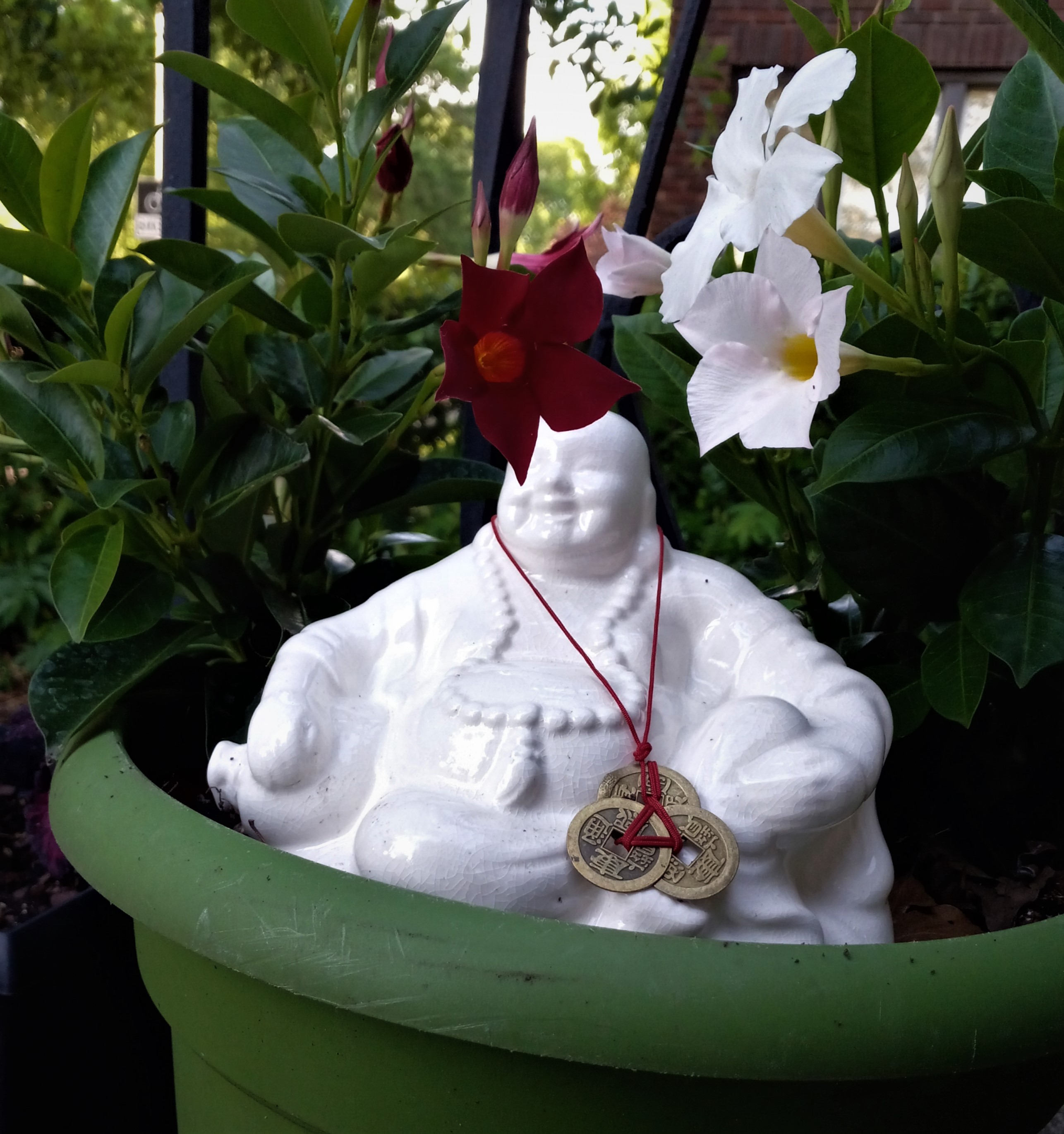
Every day now I read an essay or two, after I water the plants, in the late afternoon, on the porch. Traffic wooshes by but I am delighted by the sound, and also of the way all that noise disappears as I read about the small and grand treasures in life someone else witnesses, names, and has shares.
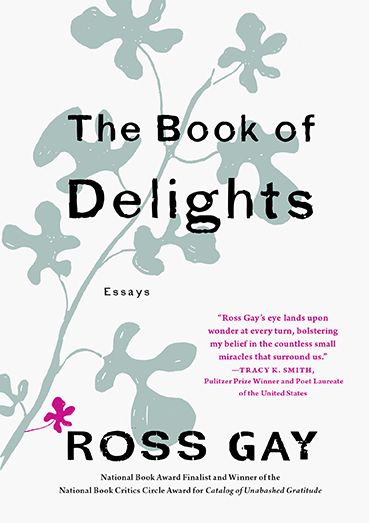
~~~

Thanks for reading my blog. Feel free to share it, if you’d like.

This blog is brought to you by the generosity of people who support me on Patreon , buy my art, and who support me in so many different ways. 

If you’d like to make a one time donation, you can do so at paypal 

Cards and prints on some of my art is available on Redbubble.  

If you find a typo, let me know, and I’ll send you a postcard.
Grounded

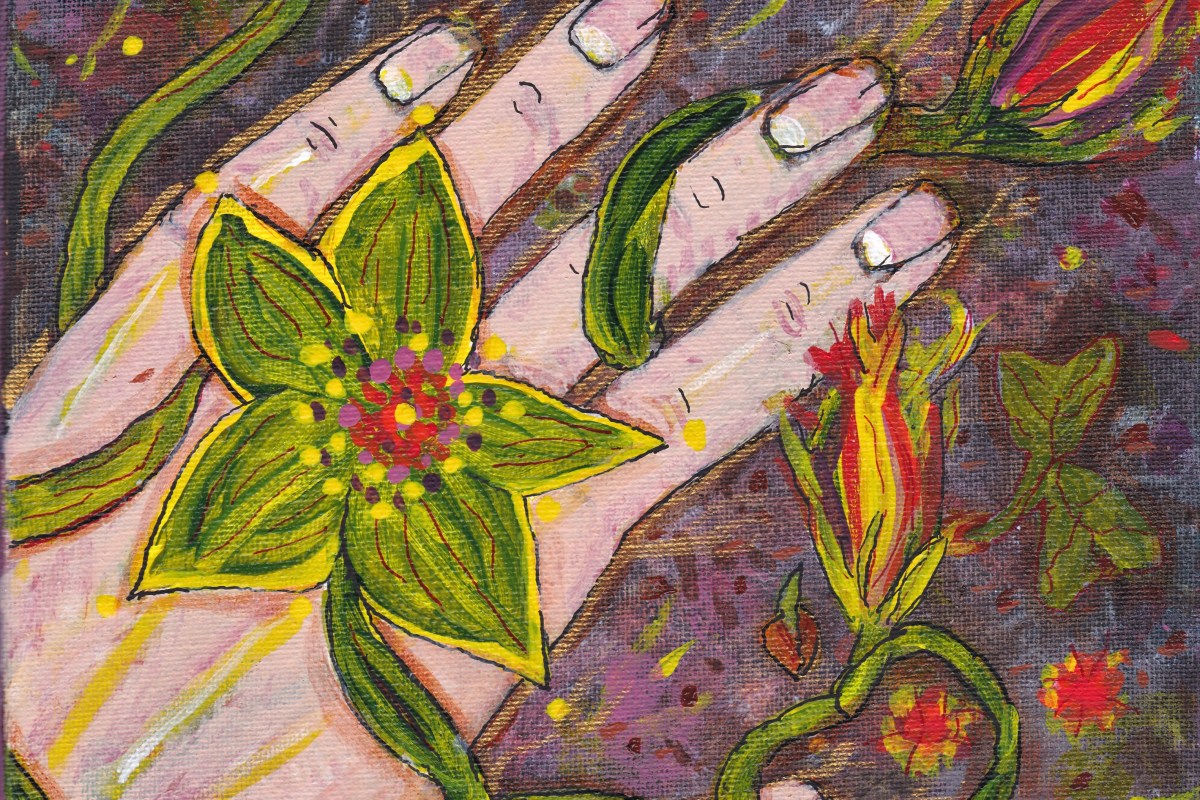
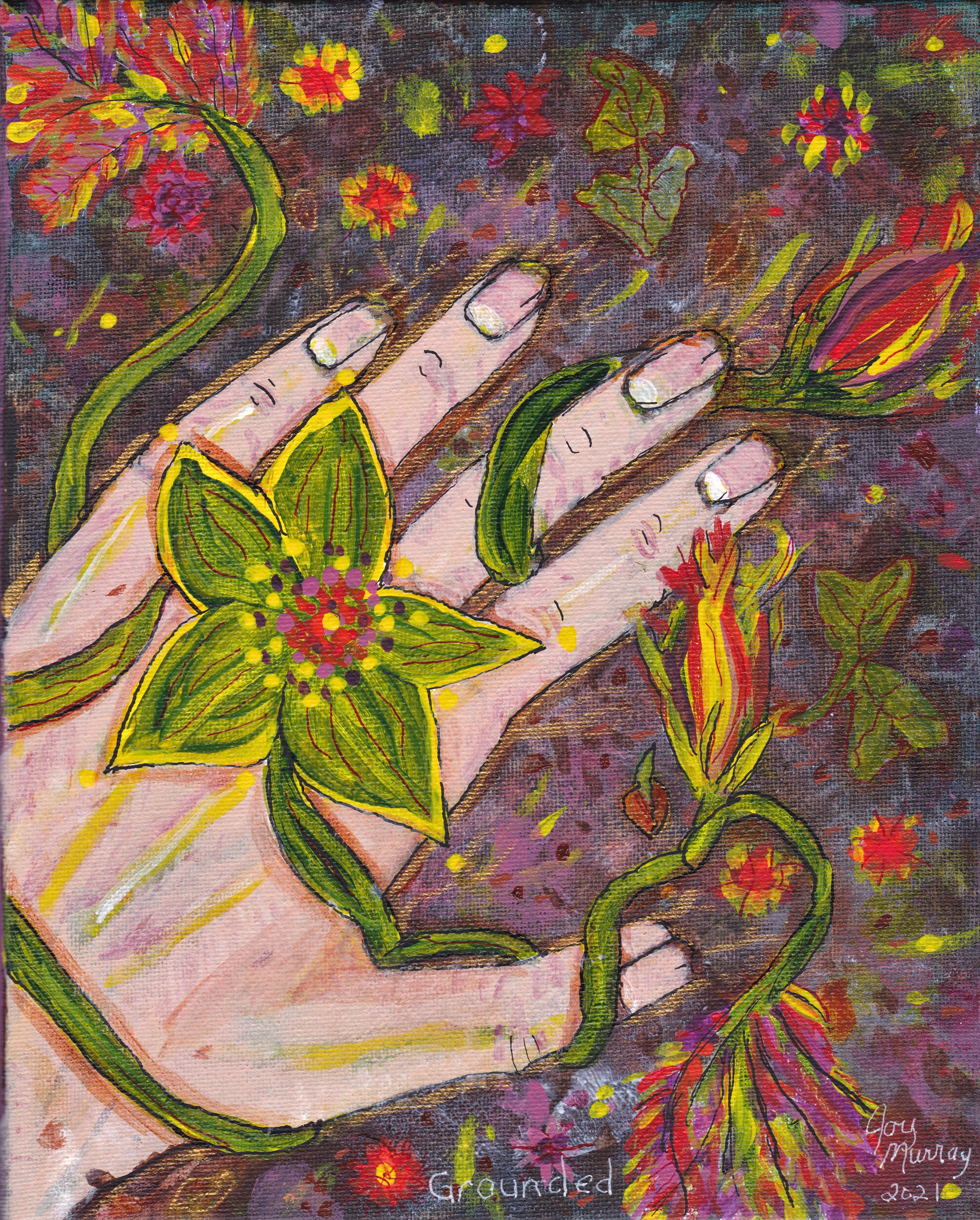
I wake up with dirt under my nails. It’s not that I don’t clean them — between painting and gardening and COVID handwashing, I have to scrape under them several times a day. I wondered for awhile if I was forgetting to do a thorough job before bed. Then I gave myself over to magical thinking and imagined I had a dream garden planted somewhere that blooms gloriously but is hidden from my conscious mind.

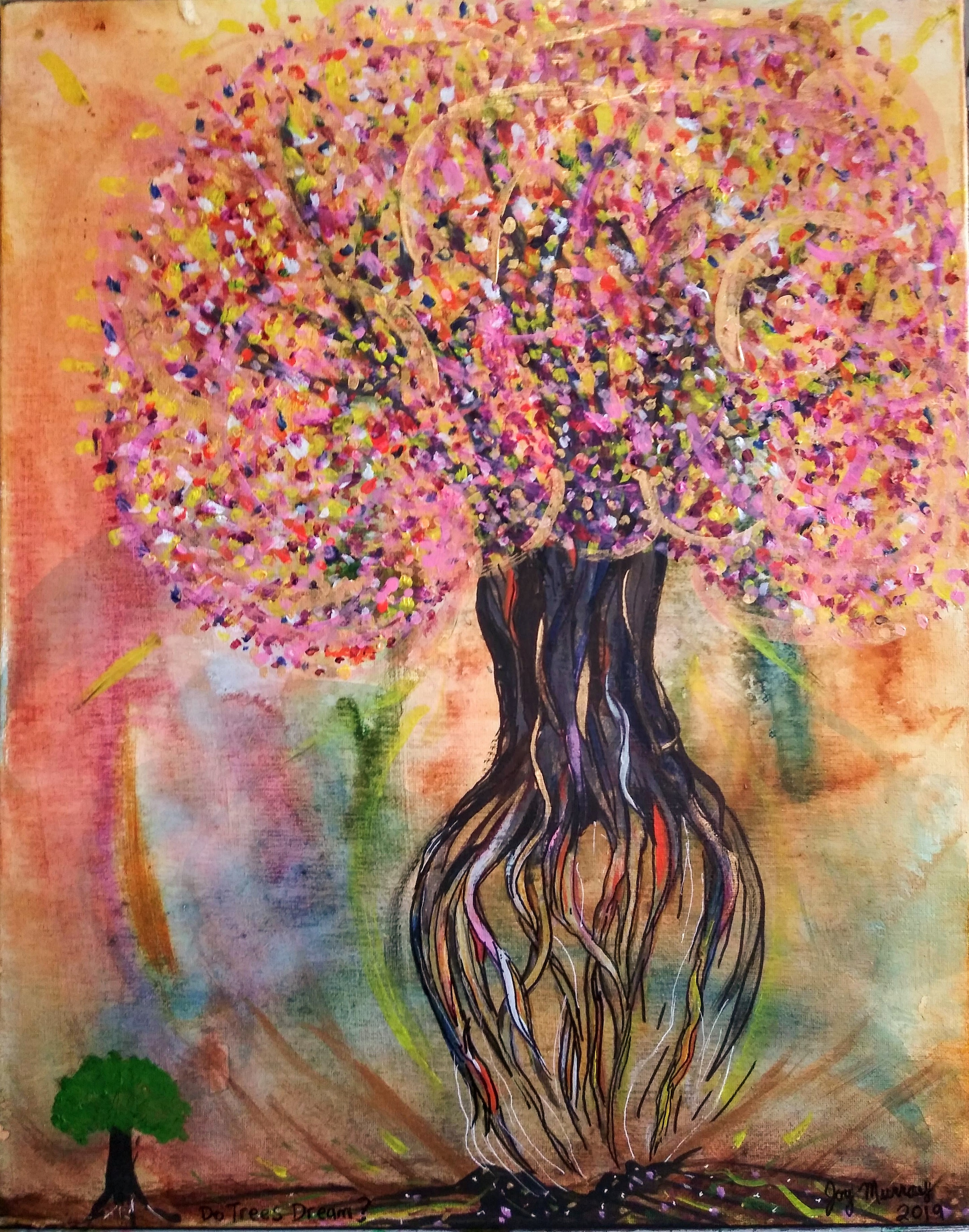
Do Trees Dream by Joy Murray 2019

I finally figured out it’s from the lotions I use during the night to numb my neuropathy and joint pain. I put it on several times a night and I guess it accumulates and darkens under my nails

Years ago, when I still lived in Portland, and could still walk with a walker, I was counseled by a friend about grounding practices to deal with anxiety. She reminded me to connect with the earth, to put my bare feet on grass, on dirt, on earth. It’s was hard for me, even then, to stand very long, but I would go to a park and sit on a bench, free my feet from my walking boots, then scrunch my toes in the grass and earth.

I never made grounding a conscious therapy. As spring has blossomed here I think of all the summers when I was young. I couldn’t wait to kick of my shoes and walk through the grass. As a child, I think I got a bee sting every year, but oh walking through clover was always such a delight.

People often look at me, see an older woman in a wheelchair, and they wonder if they could bear living life this way. I’m not sure I imagined if I could, but here I am. You adapt. You mourn your losses and find your strengths. My lower body sensations continue to change — some parts numb, others feel pain, others feel false sensations, like crawly skin and sudden twitches. Physically, I weaken and weaken.

I’ve been on a lot of different medications for these symptoms, but in the last few years, the medications that work really well have been regulated to the point that it’s become almost impossible to depend on being able to get them. I’ve lost faith in what for so long has felt like a support system. (These are regulations passed during the previous administration. I don’t know if they’ll get any better in the new one.) I’m switching to more natural medications, vitamins, and mind/body coping mechanisms. I’m taking it slow, but still have had a lot of mood swings and feelings of defeat. I also got blocked on painting.

Now I am grounding myself. I put plants in dirt and urge them to grow every day. I can’t work in the outside garden at all this year, but I’ve had good helpers and we’re planting perennials that will take care of themselves, as nature does, even if I want to take credit for what grows on my little bit of rented land.

On my porch, I decided to plant fewer pots so there’d be more room for chairs, and more turn-around room for my wheelchair. But I keep buying and finding more to bring home, so I’ll see what grows and how to arrange it so there’s room for both human and plant friends.

A degenerative disorder means you can never really feel the illusion that life will be the same from one day to the next. Even though I’ve had this disorder since I was 16, it still surprises me, sends me sputtering around in an ocean of self doubt and insecurity.

When I started potting plants, I could have used my garden gloves to protect my hands and keep them clean, but I wanted to touch dirt. It got it deeply wedged under my nails. I dug and crumbled up earth. I nestled growing things into that dark common substance that is the random gift of all the planet’s history.

I felt like I was burying parts of myself — outmoded beliefs and longings that needed composting. I felt a connection with the muddiness of all life. The dirt allowed me to shape it to my needs. In these small bits of garden, I planted my sorrows and confusion, and I know they will grow into something that delights me in the foreseeable future.

And then, I started painting again.

Grounded by Joy Murray, 8×10″, acrylic on stretched canvas

~~~

Thanks for reading my blog. Feel free to share it, if you’d like.

This blog is brought to you by the generosity of people who support me on Patreon , buy my art, and who support me in so many different ways. 

If you’d like to make a one time donation, you can do so at paypal 

Cards and prints on some of my art is available on Redbubble.  

If you find a typo, let me know, and I’ll send you a postcard.
Cornflower Blue

I’ve been strolling around my neighborhood a lot in this lovely May weather. I watched as bare ground erupted into lush gardens, spring flowers opened up, color blossomed in so many places. In this city of concrete and asphalt, so much springs to life.

It’s been an odd week, too. I keep finding trashed plants. The first was a snake plant, dumped out of it’s pot and left beside a trash bin. It looked like the people in the house there had moved — lots of odds and ends in the bins. But why dump the plant? Why not leave it in the pot for sidewalk scavengers? I know snake plants are pretty hearty. The corms on these were in tact, so I brought them home, trimmed off the dead leaves, and potted the healthy part, watered them and set them on the porch with the hope they’d continue to grow.

Another day, I passed by a business with two planters on the side of it’s windowless wall that had been totally trashed — filled with fast food containers, vodka bottles, wrappers, and surprising little soil. Under this trash volcano, I saw hosta leaves poking out. They were still fresh and green so I dug down and found several hostas and begonias, roots caked in dirt, but torn from whatever soil they were planted in. It was obviously the doing of some maladjusted person. I collected the plants, and again, brought them home to give them a chance to grow.

It has all the making of verdant spring for me. Then yesterday, I got news that the sister of a dear friend of mine had died. She was only 56. She had MS, and she accidentally overdosed on medications. A little life ended too soon.

I’ve lost a brother. He was alienated from his family, from me, by his mental illness of paranoid schizophrenia. My grief was bound in a sense of relief that he would not suffer anymore, but I mourned the life he never had. I made a gauzy shroud and planted him in my heart where the grief blooms, then goes dormant, then flowers again — different colors, different thorns, different ways that both nourish and deplete my soul.

After receiving the news of my friend’s sister leaving the planet, I went for a stroll through the neighborhood. Where I live now is only a few blocks from the house where I raised my children. I’ve lived in midtown most of my life, a wealth of stories populate all the streets and avenues I wander through.

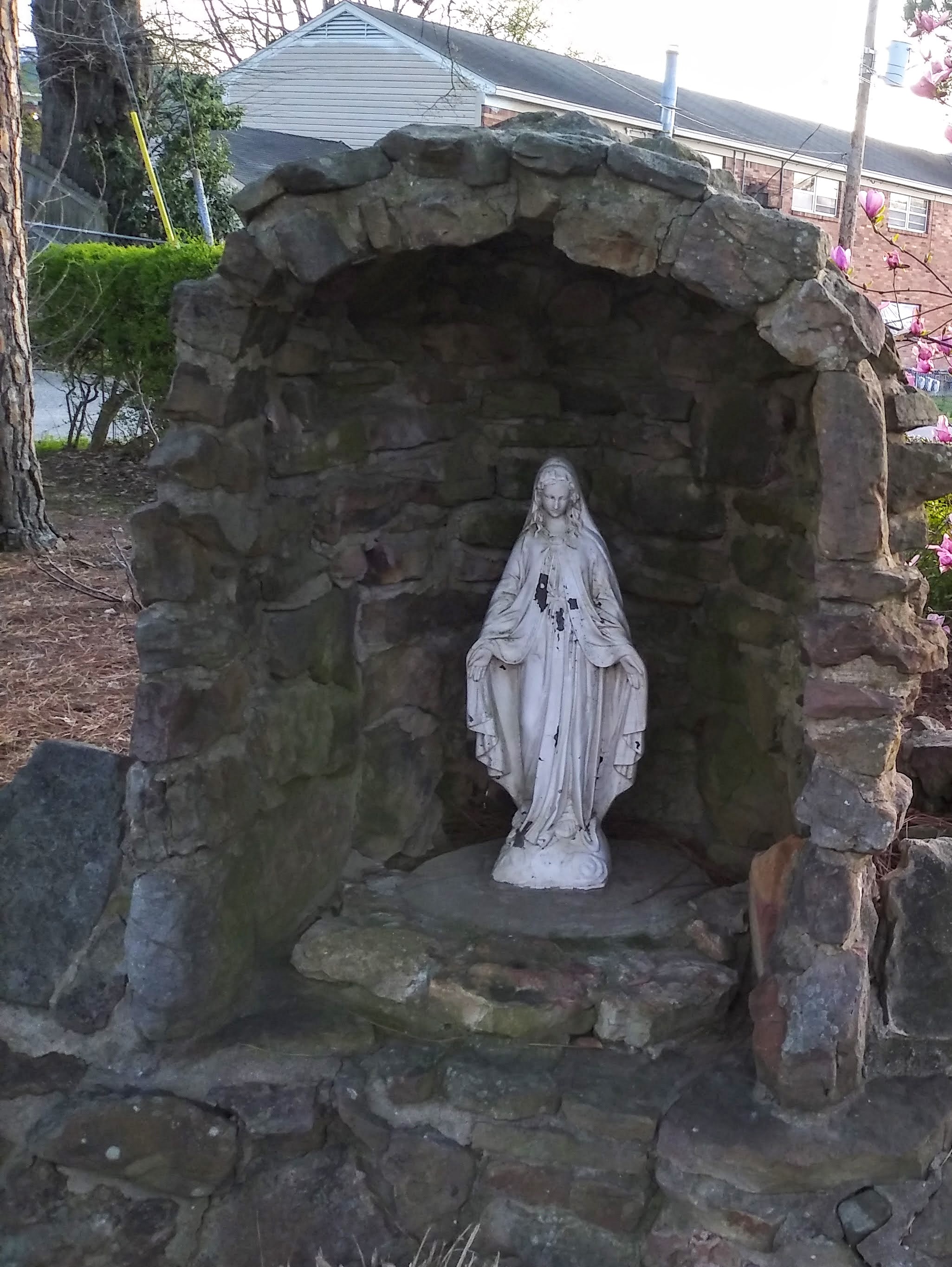
There’s a little park adjacent to a school across the street from me. They have huge planters arranged in a circle with stone benches and a small altar for St. Mary, because it used to be a Catholic school.

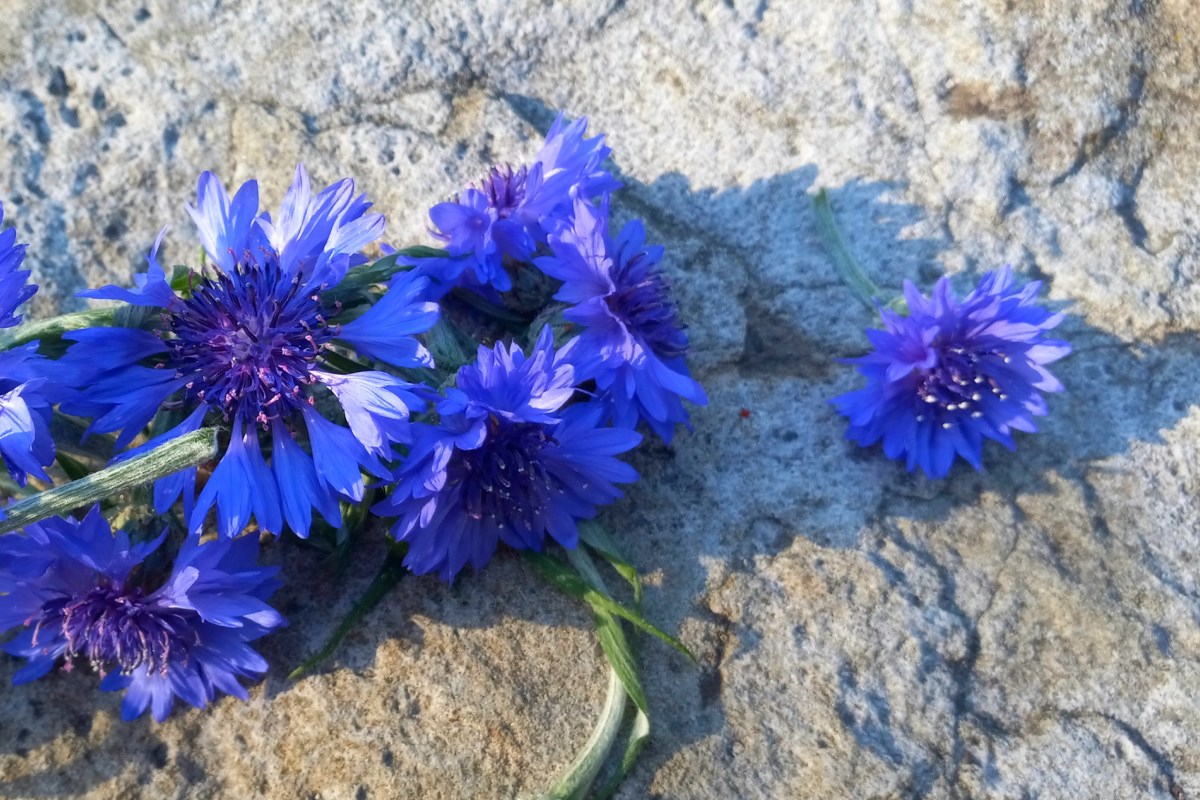
I looked at the plants the students had started growing — lettuce, herbs, kale. There was a cluster of blue cornflowers growing in one.

As I made the circle around the garden, I found another cluster of cornflowers, but they had been cut down and thrown on the ground. The flowers were still fresh, but they were dying, leaves drooping, stems softening. I used my phone internet to see if there was any way to root them from the stems, to rescue them, to bring them back to life. But they can’t be propagated that way. They were dead.

Why would they cut them down? Why this need to tear out these flowering lives? I suppose they want to plant something new. Or maybe it was just an act of malice. I’ll never know. So much I’ll never know or understand.

I broke off some of the flowers and arranged them on the stone bench. I took a picture. Then left them to return to dust, to nourish the soil.

Cornflower Blue, photography, by Joy Murray

And I came home and grieved for all that we suffer in life, and how hard it is to lose friends and family to death, even though we know it’s inevitable, especially as I age. All life’s grief wakes back up and pricks the soul so the new grief can flow in, grow in, become part of neighborhood.

I had been thinking of the resurrection of practically everything before I heard of this death, and as I process this latest sad news, I have let grief resurrect. I sit with it on my porch in my wheelchair, on my little patch of earth, where all around me things are growing for me to witness, then watch as they go dormant, or die. I wait til something new emerges; I pay attention, and try to keep my heart open to it all.

Point of Departure, by Joy Murray,

~~~

Thanks for reading my blog. Feel free to share it, if you’d like.

This blog is brought to you by the generosity of people who support me on Patreon , buy my art, and who support me in so many different ways. 

If you’d like to make a one time donation, you can do so at paypal 

Cards and prints on some of my art is available on Redbubble.  

If you find a typo, let me know, and I’ll send you a postcard.
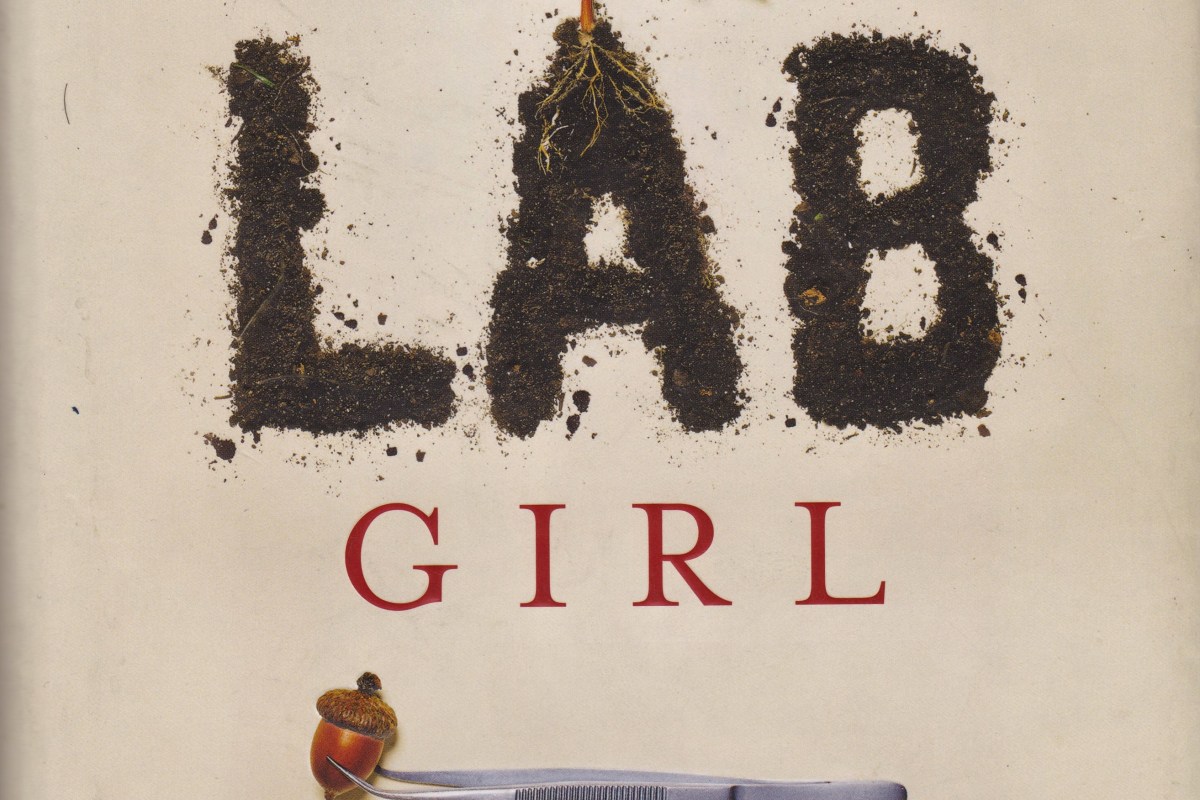
Seeds, from Lab Girl, by Hope Jahren

Lab Girl by Hope Jahren is one of my favorite books. The cover states:

“Acclaimed scientist Hope Jahren has built three laboratories in which she studied trees, flowers, seeds and soil…Jahren’s probing look at plants, her astonishing tenacity of spirit, and her acute insights on nature enliven every page of this extraordinary book.”

I love the way the book’s chapters switch between her life, her struggles as a female scientist, her discovery of true friendship with her eccentric lab assistant, her fight to balance mental health and work — and always over and under every part of her world: the lives of trees.

I was invited by my spiritual support group, Open Heart, to record an affirmative reading for their online meeting Sunday, May 2, 2021. I chose this passage on seeds from Lab Girl, because it’s spring and I’m planting seeds and witnessing seeds leap into life, and seeing trees create more seeds, more reasons to wait, more evidence of what is “both impossible and inevitable.” I thought I’d share the video with you.

I got tripped up on words a few times, but I hope you enjoy this very insightful description of seeds and life.

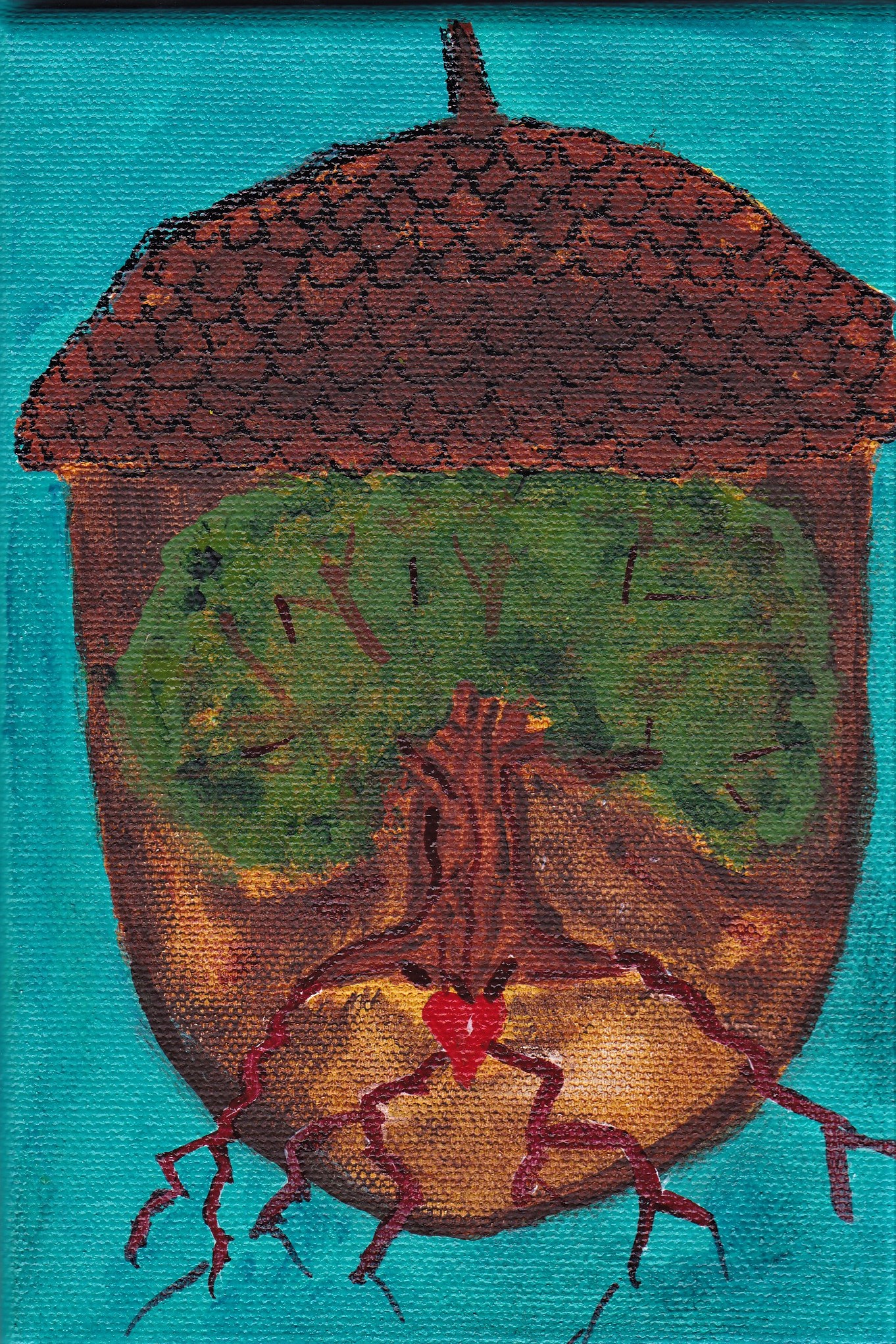
Acorn by Joy Murray

~~~

Thanks for reading my blog. Feel free to share it, if you’d like.

This blog is brought to you by the generosity of people who support me on Patreon , buy my art, and who support me in so many different ways. 

If you’d like to make a one time donation, you can do so at paypal 

Cards and prints on some of my art is available on Redbubble.  

If you find a typo, let me know, and I’ll send you a postcard.